

This week sees a number of key stakeholders gather in Ottawa to develop a national consensus statement and recommendations for promoting consistent and timely access to high‐quality, coordinated and integrated palliative and end of life care.
Ahead of the conference, one of the partners, Covenant Health, conducted a rapid review of current literature and resources on whether public health awareness campaigns effectively improve the awareness and quality of palliative care.
This led them to work carried out by Deb Hickey, director of care services at St Luke’s, and Sharon Quinn, supportive care and development manager, in response to the Department of Health’s End of Life Care Strategy and the Dying Matters campaign (1).
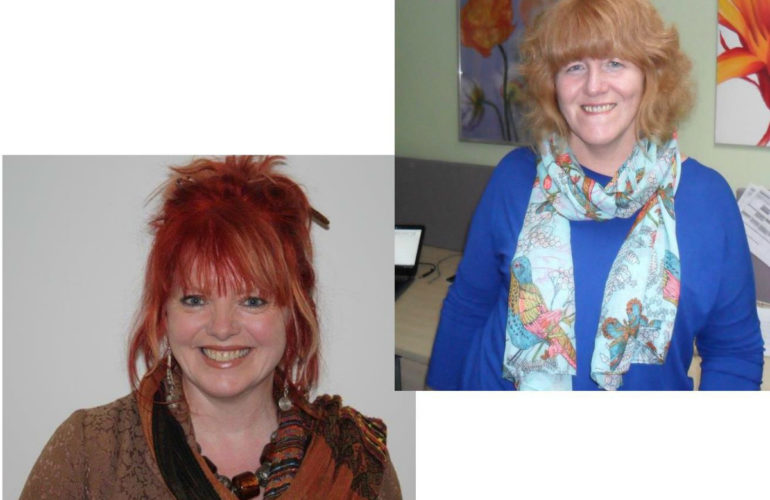
Deb explains: “Translating national policy into meaningful local dialogue requires creative interventions that are adaptable to each community.
“Our article explores these key themes and reports on the responses of the first 304 people to complete an end of life survey as part of St Luke’s Hospice’s local engagement with the general public in south west Essex regarding issues around death and dying.
“Despite efforts to ‘normalise’ death and dying and recognise that they are an inevitable part of life, a taboo persists and open communication about these issues is often limited or restricted to periods of crisis.’’
Sharon adds: “All services provided by St Luke’s, but in particular our end of life care services, embrace the importance of recognising, reacting and adapting to the needs of local people. Getting people to talk about and plan for this inevitable stage in life is not easy.
“Both Deb and I are honoured to have been asked to share and update our original research paper to effectively improve the awareness and quality of palliative care, which will feed into information helping to shape end of life care strategy across Canada.”
Local developments
Addressing some of the issues identified in the original research, St Luke’s has introduced a number of initiatives to help raise awareness of end of life care and encourage people to make preparations in good time.
The hospice hosts regular VERVE (Valuing local diversity, Enhancing patient experience, Raising public awareness and Visible equity in End of life care) meetings in collaboration with other local services. The group plans community outreach and engagement, with relation to the themes raised in the original paper, such as making wishes and preferences known for end of life care, and raising awareness of relevant services, particularly around palliative and end of life care.
The hospice has also appointed a compassionate communities development worker (CCDW) who has a remit for continuing and strengthening public engagement work and prompting consideration of advance planning much earlier.
The CCDW has begun to develop a ‘good neighbours’ scheme, which will offer practical support/tasks and companionship to people in the last year of life who are socially isolated.
The CCDW has also been developing an end of life care plan for people with learning disabilities, in collaboration with local voluntary groups and people with learning disabilities. A similar plan has been devised for people with dementia, in collaboration with local dementia care teams, and has been received well following wide implementation across the locality.
The aim of both these documents is to enhance the care provision at end of life for people with learning disabilities and/or dementia. A vital element of these tools is the prompt to professionals who already work in these specialities to consider palliative/end of life care needs earlier, support pre-emptive planning and discussion and to link with palliative care specialists for advice and support in this field.
References
- Hickey D, Quinn S. ‘I don’t want to talk about it.’ Raising public awareness of end-of-life care planning in your locality. International Journal of Palliative Nursing. 2012; 18(5):241-247.


Leave a Reply