

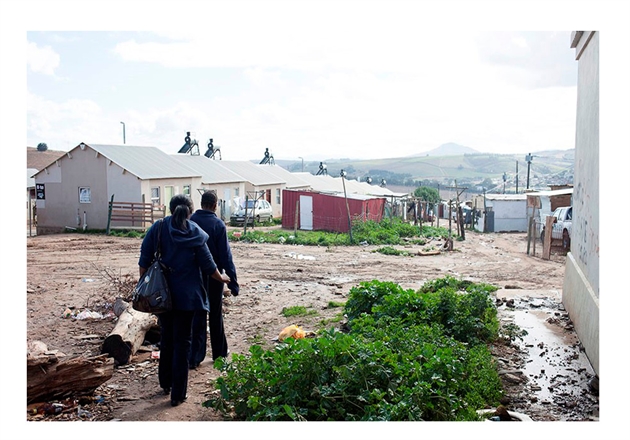
I grabbed my helmet and quickly put it on in order to hide some of my tears from the others. I sat behind the driver on the bodaboda (motorcycle taxi) and said I was ready in the steadiest voice that I could. As we took off, I cried and prayed and cried some more.
We had just left the house of a patient, we’ll call her Jane, whose condition was nearly hopeless. She had been diagnosed with severe cancer of the esophagus and had a blockage to the point that she could not eat or drink or even take oral medicine.
When we visited her, she said she had not been able to eat or drink for over a week. She had gone to the hospital in Mbale but they said they were unable to help her. They referred her to a different hospital in Mulago in Kampala, but the cost of the trip and treatment would be nearly 300,000 Shillings (about $120) – a cost this family could not afford. We were unable to leave her any medication because she would have soon vomited it up.
The situation was left with a tough issue: should this woman of 65 years of age be sent to the hospital where she may not survive a surgery to put in a feeding tube or even the extensive transport required? Or should she be able to remain in peace at home with her family with attention to her comfort?
In time, the hospice team of nurses and social workers will need to help her make this tough decision.
But the hospice team has to make these sorts of decisions every day.
This article was first published on the Hospice Tororo website.


Leave a Reply