

We’ve forgotten one key stakeholder in the discussion around the roll-out of the new End-of-Life Pathway funding, which came into effect across Australia on November first. And it’s a big one. The medical practitioners, who I worry are largely unaware of the crucial role they need to play in it.
While I welcome any reforms that make end-of-life care more accessible to Australians who wish to die at home, I am concerned that many general practitioners are unaware of their role in assessing palliative care recipients – and are too time-poor to actually make those assessments.
The new Support at Home program provides up to 12 weeks of end-of-life funding – which can be extended for an additional four weeks – to older Australians given a diagnosis of three months or less to live.
That means eligible participants can access up to $25,000 to pay for a range of home care services such as nursing, personal care, and domestic help to ease the burden on families during their final stage of life.
But there’s a fundamental challenge: the funding model’s reliance on precise prognostic assessments places significant pressure on medical practitioners at a time when such predictions are inherently difficult to make.
The Prognostic Dilemma
It’s incredibly difficult for any health professional to predict exactly how many months a patient has left to live.
That’s true for a palliative care professional – as I’ve learned through more than 30 years of working in the field, most recently for in-home care provider Dovida – let alone a general practitioner (GP) who may only see a few palliative care patients a year.
Many GPs are already short on time and often make home visits to palliative care patients through a sense of personal duty, not because they are sufficiently remunerated for it.
How the Funding Model Compounds the Challenge
The difficulty of prognostic assessment becomes particularly significant because of how the funding model operates. Disease trajectories can be unpredictable, especially in older Australians with chronic diseases. And what happens when a participant outlives their initial three-month prognosis?
Participants who are still alive after three months and haven’t used all their funding can apply to extend it for an extra four weeks, but after that, they simply revert to their previous level of funding. Support at Home participants only receive the new funding instead of their current package, not in addition to it.
This creates a dilemma for practitioners: make the assessment too early, and families may miss out on weeks of vital support; wait too long, and families may not access the funding at all.
For many older Australians, reverting to previous funding levels can mean the difference between being able to die at home, surrounded by loved ones, or needing to be transferred to an acute hospital because the funding is not enough to provide the care they need at home.
Given how difficult it is for palliative-care-trained health professionals to predict exactly how long patients have left to live – let alone an overworked GP – I believe a more effective model would provide funding on an assessed-needs basis, rather than essentially relying on guesswork.
Much as I believe the new End-of-Life Pathway is well-intentioned, it still relies on getting access to the right practitioners at the right time and ensuring those practitioners understand the process for assessment and application for funding.
I still think these aged care reforms are a step in the right direction, and I welcome anything that allows more Australians to die with dignity at home.
But I worry that a significant cross-section of medical practitioners, who are already stretched for time and working with limited resources, may not be aware of the crucial role they will need to play in helping older Australians get the care they need at one of the most pivotal junctures of their lives.
It’s a well-worn statistic, but only 14 per cent of Australians currently die at home, despite an estimated 70 per cent of Australians wanting to do so.
Anything that helps us bridge that gap is to be applauded.
However, we need to make sure those who work in the health sector understand the new pathway – and the critical role practitioners play in ensuring funds are directed to those who need them most.
We also need to consider whether a needs-based assessment model might better serve both practitioners and families than one tied to specific timeframes.
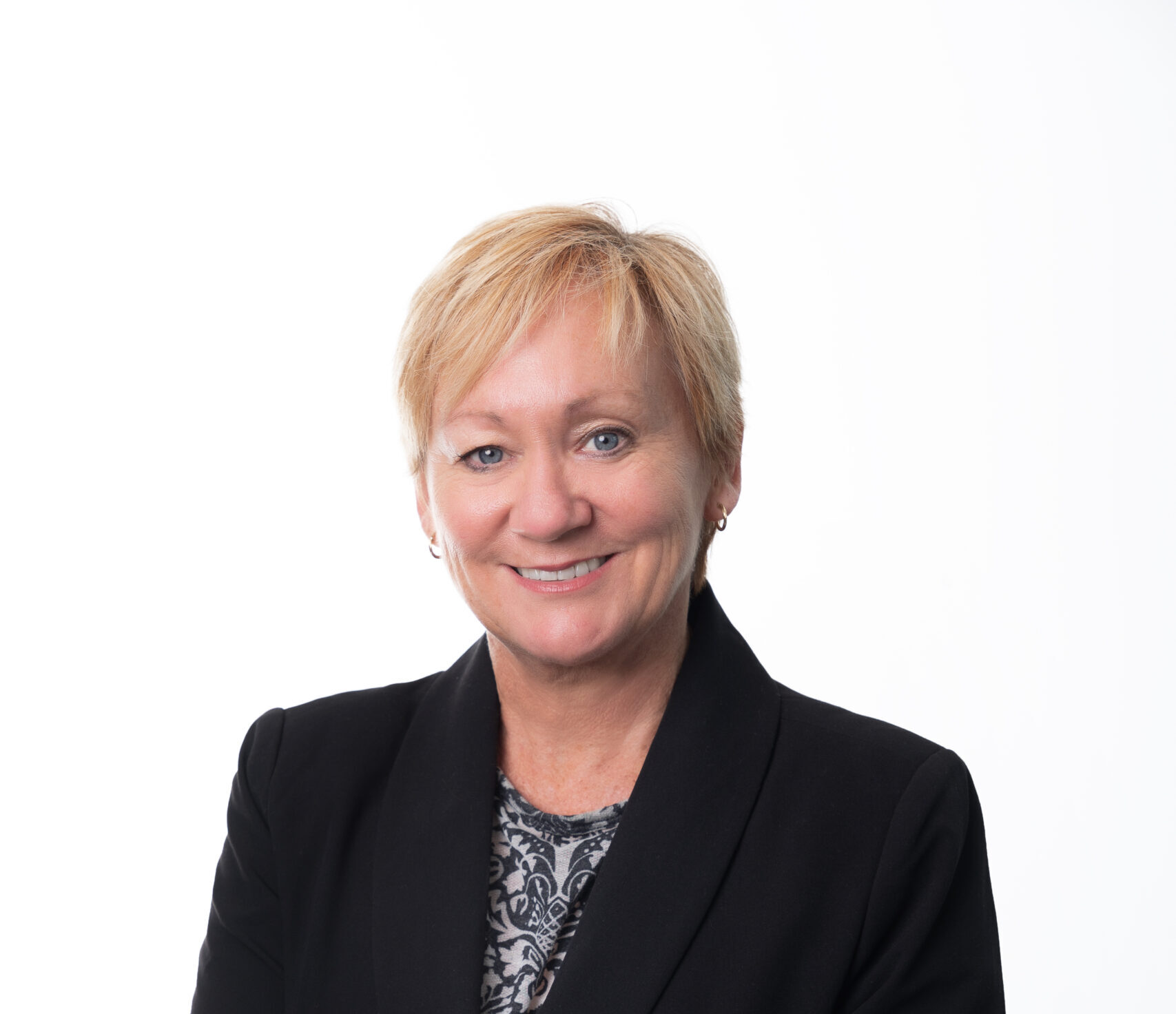
Karen Conte is a palliative care nurse practitioner with home care provider, Dovida. She has more than 30 years’ experience working across the palliative care sector.

Leave a Reply