
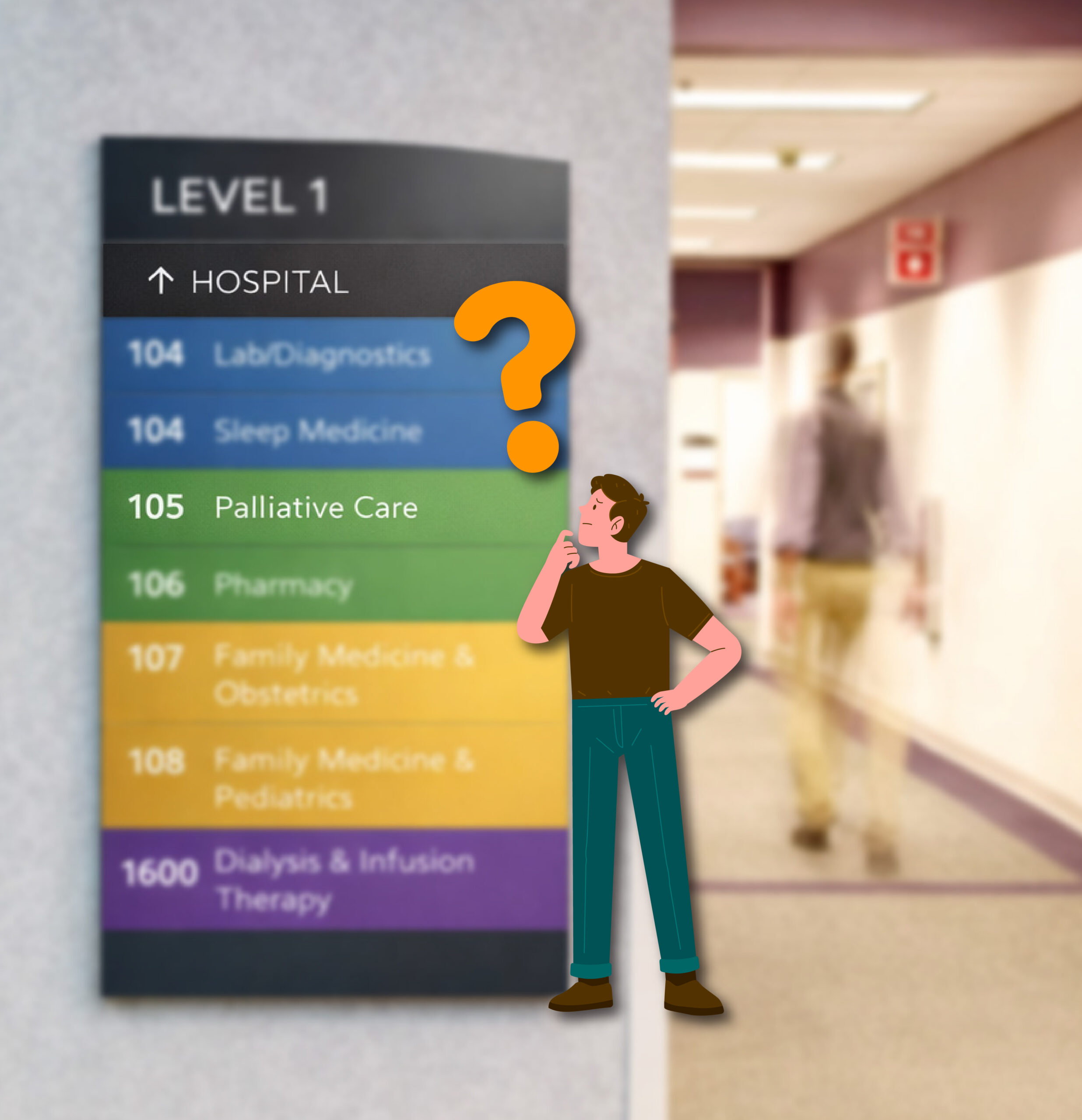

Malaysia continues to face the realities of an ageing population and a growing burden of serious, non-communicable diseases. Palliative care is increasingly recognised as an essential part of healthcare — yet many still misunderstand what it truly offers. Good palliative care is not about giving up; it is about living well, with comfort, dignity, and holistic support for both patients and their families. It addresses pain and other symptoms, but also the emotional, social, and spiritual challenges that accompany illness.
As palliative care services expand across hospitals, communities, and care settings, it is timely to reflect on quality, consistency, and compassion in care delivery. At Hospis Malaysia, we believe every person deserves care they can trust — especially at their most vulnerable.
In the 1990s, computer chip maker Intel launched a landmark marketing campaign that persuaded consumers to choose computers that had ‘Intel Inside’ – these were computers that incorporated their microprocessors. Many that did so, perhaps did not actually know how Intel microprocessors fare vis-a-vis their competitors. However, ‘Intel Inside’ gave comfort that those who have such devices felt confident of the quality desired. And that became the “gold standard” for most trusted microprocessors for many years.
Over the past year or so, there has been increasing attention towards palliative care in Malaysia as we face the dual challenge of the rise of non- communicable diseases and an ageing society. In October 2025, the Minister of Health on World Hospice and Palliative Care Day stated that the nation requires 50 palliative care specialists in 2 years from the current 34 to meet the nation’s needs. Across the country, many major hospitals now have palliative care services. In the Klang Valley, one will notice that many of the private hospitals now state the availability of palliative care services. Browse at websites of nursing homes, private care agencies and online doctors and many are touting the availability of palliative care services.
However, perhaps one does need to think if ‘Palliative Care Inside’ a health facility gives the consumer the same level of confidence as ‘Intel Inside’ a computer. One is a machine that assists in making tasks much easier through data processing – a trusted product developed and backed by years of research, innovation, experience and ongoing quality control. The other is about the care of some of the most vulnerable people in our society to ensure they live the final stages of their lives with dignity and comfort, free from pain and suffering. And is it therefore important for one to ask the question – is the care delivered supported by evidence so we are assured it is of a certain quality, and is the quality of the care monitored regularly?
When a patient with cancer seeks help in its treatment, both the patient and family often ask lots of questions about the cancer, its treatment and side effects. They probably may ask ‘Dr Google’ a string of questions, challenge doctors and if not convinced, they will seek further opinions. Cancer centres compete by stating the various treatments that are available to achieve the best chance of recovery. Often the patient and family will also make further inquiries about the quality of service delivered by the doctor in question.
Palliative care is often the last thing to be mentioned and usually it’s in the context of the failure of treatment. For many, a referral to palliative care, especially in the community, is only mentioned in the context of going home to die. So, does society care about what palliative care means? Do they also inquire about what it actually is, and the quality of the service to be delivered? Do they ask “Dr Google” what palliative care support can offer them, and what to expect when referred to a palliative care service or is simply having a someone who professes to be a palliative care healthcare worker visit you at home from time to time already a bonus?
Many who are referred to a service such as Hospis Malaysia, only desire a hospital bed, a wheelchair or support for nursing care. But with serious illnesses such as cancer, late stage heart or kidney failure, motor neurone disease, Alzheimers, the journey with the illness is likely to be arduous for the patients and families. Often they are likely to experience physical suffering, and psychosocial and spiritual distress. If only they were aware that palliative care excels in supporting the patient by addressing these issues.
There remains widespread misperception that a referral to palliative care means that medical treatment has failed, and it will be good to “take your loved one home to die peacefully”. And to facilitate this, a referral to a palliative care service will enable the loan of a bed, a wheelchair, perhaps an oxygen machine, and maybe some nursing care. Others assume that the ones that need palliative care are the very poor – the “B40s” who cannot afford the most advanced medical treatment.
Palliative care works best if both the patients and caregivers as well as physicians know what it is. Many doctors themselves have a limited idea of what palliative care is and does! Many, when asked still advise patients who are initially diagnosed, that “it is still too early for a referral. Imagine if a referral to palliative care was made early, potentially upon diagnosis, and a trained palliative care practitioner works with your loved one to discuss his goals of care, his preferences about treatment and care, and walks with him through the journey with the illness, would that not help alleviate some distress?
Until we start asking about the quality of care we receive, there is no excuse if we receive less than optimum care.
When an Intel microprocessor is produced, there is quality control, and this is only for a chip inserted into a machine. When dealing with human lives, and especially at their most vulnerable stages, should we not be asking what is the quality control in the setting up of services to support these patients? How are the people delivering the service assessed for attitude, knowledge and competency? What is the curriculum used in training of a palliative care provider? What is the outcome expected if one is referred for palliative care? Is the palliative care delivery in different settings similar or different and if so, why and how?
There is enough evidence to demonstrate the benefit of early integration of palliative care in health systems, with a focus on community support systems that could significantly reduce the burden on a hospital and specialist-based system. All the ingredients are readily available and many countries have shown several aspects of this approach to work. All that it requires is whether all the stakeholders are willing to come together and work together for the benefit of the patients and our community.
We do need to start to ask questions and demand answers of what does palliative care deliver in OUR hospitals, clinics and other settings. So, when you see a description that states ‘Palliative Care Inside’, you can be certain of the quality of the service that is fit to treat the most vulnerable of us all.
———————-
This article was first published in the Hospis Malaysia newsletter and is republished here with permission.
————————
ehospice is proud to help promote individual, local, national and international voices in Hospice & Palliative Care
We are on target to have over One Million page views this year.
To stay in touch with colleagues around the world subscribe to our free Newsletter



Leave a Reply