

Every person will experience grief. It is one of life’s few universal experiences, touching every family, every workplace, and every community. Yet despite its profound impact, grief remains largely invisible across Canada’s health systems, public policy, and social planning.
Each year, countless people across Canada experience the death of someone close to them. While grief is a natural response to loss, the support available to people during bereavement is anything but consistent. Where someone lives, their income, culture, language, identity, and the availability of local services often determine whether they receive the care and support they need.
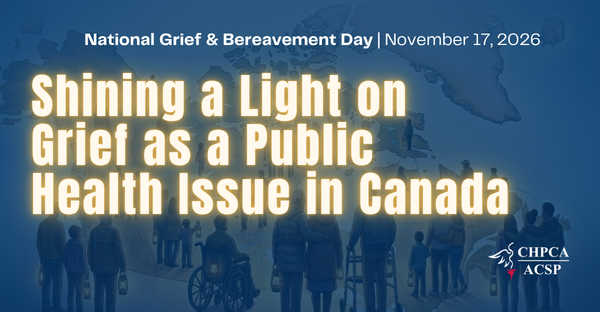
On National Grief and Bereavement Day, we are called to Shine a Light on Grief Support in Canada. This year’s theme is more than a slogan; it is an invitation to acknowledge what has too often remained in the shadows. When we shine a light on grief, we draw attention to inequities in our systems, recognize the millions of people living in Canada affected by loss each year, and identify opportunities to build a more compassionate, equitable, and grief-informed country.
Grief Is Personal, But Its Impact Is Public
Grief and bereavement are often viewed as deeply personal experiences, something individuals and families are expected to navigate privately. While every person’s experience is unique, the effects of grief extend far beyond the individual.
Bereavement can affect mental and physical health, relationships, employment, education, and financial stability. People who are grieving may experience anxiety, depression, sleep disturbances, social isolation, difficulty returning to work or school, or even challenges related to substance use. Family caregivers who have spent months or years supporting someone with a life-limiting illness often face the added challenges of burnout, financial strain, and changes to their identity after the death of their loved one.
These impacts ripple outward into healthcare systems, workplaces, schools, and communities. Grief influences how people participate in society, access healthcare, care for their families, and engage with their communities. Yet despite these widespread effects, grief is rarely recognized as a public health issue. Recognizing grief as a public health concern does not medicalize a normal human experience. Rather, it acknowledges that people should have access to appropriate support when they need it, compassionate communities, and systems that respond to loss with understanding rather than silence.
The Gaps We Can No Longer Ignore
Shining a light on grief reveals significant inequities in bereavement support across Canada. Access to grief services varies considerably depending on where someone lives. Some communities benefit from hospice organizations, community agencies, faith groups, and peer support programs that provide counselling, support groups, and education. In many other communities, particularly rural, remote, and northern regions, these services are limited or unavailable.
Even where programs do exist, finding them can be difficult. After a death, many families leave hospitals, hospices, or long-term care homes without clear information about available bereavement supports. Consistent pathways for connecting grieving individuals with community resources are not always in place, leaving many people searching for help during one of the most difficult periods of their lives. Financial barriers also prevent many people in Canada from accessing support. Professional grief counselling is often unavailable through publicly funded healthcare and may be unaffordable for individuals without extended health benefits. Community organizations frequently fill these gaps, but many rely on charitable donations, grants, and volunteers to sustain their programs. As a result, access to bereavement support is often determined not by need but by geography, funding, and local capacity.
The inequities can be even greater for many marginalized communities. Indigenous Peoples, newcomers, racialized communities, members of the 2SLGBTQIA+ community, people living with disabilities, and those experiencing poverty may encounter additional barriers to culturally safe, inclusive, and accessible grief supports. Historical trauma, systemic discrimination, language barriers, and a lack of culturally appropriate services can further compound the challenges people face after loss.
A compassionate society cannot accept a system where access to grief support depends on where someone lives, who they are, or what they can afford.
Why Visibility Matters
What remains invisible is often overlooked. When grief is not acknowledged, conversations about loss become more difficult. People may feel pressure to “move on” before they are ready or believe they should grieve alone. Friends, colleagues, and even healthcare providers may feel uncertain about how to offer support, unintentionally reinforcing isolation. This lack of visibility also affects policy. Bereavement services are not consistently recognized or funded as essential supports, resulting in fragmented programs, inconsistent funding, and significant regional disparities.
Building grief literacy, the knowledge and skills needed to understand, respond to, and support grief, can help change this. Grief-literate communities recognize that loss is a normal part of life. They encourage open conversations about death and bereavement, reduce stigma, and equip individuals, workplaces, schools, healthcare providers, and community organizations to respond with empathy and practical support. Greater visibility also allows decision-makers to recognize bereavement care as an essential component of health and social care rather than an afterthought.
Building a More Compassionate System
Canada has an opportunity to strengthen grief support by integrating bereavement care into health, social, and community systems. Support should not end when clinical care ends. People who are grieving need clear pathways to support following the death of someone important to them, with information, referrals, and follow-up that connect them to services in their communities.
Healthcare organizations can embed grief-informed practices across hospitals, hospices, primary care, long-term care, and home care. Workplaces can adopt compassionate bereavement policies that recognize the realities of grief. Schools can provide resources that help children and young people understand loss while supporting students experiencing bereavement. Communities also play a vital role. Peer support groups, volunteer programs, grief education initiatives, libraries, faith communities, and local organizations all contribute to creating environments where people feel less alone.
At the same time, governments must invest in sustainable bereavement services that are available regardless of geography or income. Community organizations play an essential role in providing these supports, but they need adequate funding and coordinated system support to sustain and expand their work. Meaningful investment would help expand services, strengthen the workforce, improve training, support culturally responsive care, and ensure equitable access across Canada.
A Shared Responsibility
Creating a grief-supportive Canada requires action from every sector.
- Governments can recognize grief as a public health priority and include bereavement support within health and social care planning.
- Healthcare systems can establish consistent standards and referral pathways that help connect people with information and support following a death.
- Community organizations can continue building compassionate networks while working collaboratively to reduce gaps in care.
- Employers can foster grief-informed workplaces where employees feel supported rather than pressured to hide their loss.
- Educators can help children and young people develop healthy understandings of grief and loss from an early age.
- Individuals can contribute by learning how to support someone who is grieving, talking more openly about death and bereavement, and challenging the stigma that often surrounds these experiences.
Everyone has a role to play.
Shining a Light Together
National Grief and Bereavement Day reminds us that grief is not something to be hidden. It is a shared human experience that deserves compassion, understanding, and meaningful support. By shining a light on grief, we draw attention to the inequities that too many people in Canada face after a loss. We recognize that bereavement care is not simply a personal matter but an essential part of healthy communities and an equitable healthcare system.
Now is the time to move beyond awareness and toward action. Together, we can build a Canada where grief is acknowledged, support is accessible, communities are prepared to respond with compassion, and no one has to navigate loss alone. Because when we shine a light on grief, we illuminate not only the challenges but also the path toward a more compassionate future.
To learn more about CHPCA’s 2026 grief and bereavement campaign, to explore resources and to discover ways to get involved, visit: https://www.chpca.ca/awareness/national-grief-and-bereavement-day/


Leave a Reply