

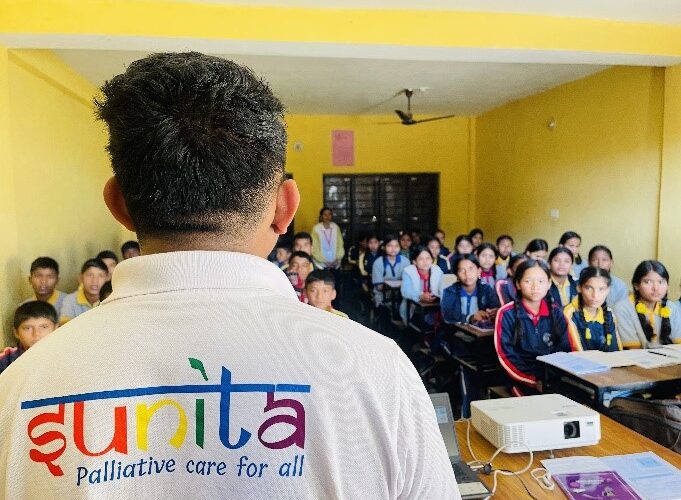
Palliative care remains largely unknown in rural communities in Nepal. The Sunita Project, implemented by International Nepal Fellowship (INF) Nepal’s Green Pastures Hospital, is empowering young people to become aware of the needs people with chronic illnesses through various initiatives, including awareness building in schools.
Empowering Young Minds
The Project has been working with government secondary schools across five districts in western Nepal. The aim was to sensitize students and their teachers about chronic illness and the importance of providing compassionate care for people with these conditions and their families and caregivers. The two-hour session was interactive using multimedia and stories of people in need and how they can be cared for in the community.
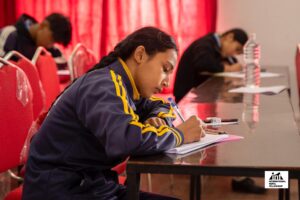
Students learned about the challenges faced by those living with advanced chronic illness. They learned that these illnesses affect emotional well-being, dignity, and quality of life of not only the patients but also care givers and family members. Learning from the programme was evaluated through an interschool essay competition encouraging students to think critically about how they could make a difference within their communities.
Inspiring Compassion through Writing
Writing on the topic “My Role in Caring for People with Chronic Illness in My Community” provided a wonderful opportunity for students to share their thoughts and opinions about what they had learned.
In their essays, many students reflected on the emotional and physical struggles chronic illness brings. One student wrote,
“Spending time with them, listening to their concerns, and showing love can be as important as medical treatment.”
Another pointed out,
“Palliative care is not the responsibility of a single person or family – it requires the support of society, healthcare institutions, and even the government to ensure no one suffers in isolation.”
The essays highlighted the students’ understanding of how important it is to treat people with dignity and provide emotional support. Students also highlighted what they had learned about preventing chronic illness by avoiding unhealthy lifestyles: consuming tobacco, alcohol, and unhealthy eating, as well as promoting physical activity and regular check-ups.
Creating a Ripple Effect
Students are catalysts for spreading messages within their communities. The knowledge they gain in school doesn’t just affect them personally; they share it with their families and communities creating a ripple effect. One student shared how attending the awareness session had made them more respectful toward the elderly and people with chronic illness in their community:
“Before, I didn’t know how to care for elderly people with chronic illness. But after attending the awareness program, I started treating them with more care and respect. Seeing my actions, my friends have also started doing the same.”
Many students also expressed their views about how they plan to advocate for better palliative care services. Ideas ranged from door-to-door awareness campaigns to community education programs, and some students even proposed that local governments allocate budgets for palliative care. One of the student noted
“If municipalities and other local governments allocate budgets for related programs, and if local organizations like children’s clubs and women’s groups get training, it will make a real difference in raising awareness about this issue.”
Inspiring the Next Generation to build Compassionate Communities
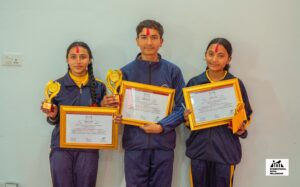
The winning essays captured the essence of palliative care beautifully, including the importance of showing compassion and empathy. Students have learned how they can contribute to making their communities more supportive and caring for those with chronic illnesses, their families and caregivers.
One of the winning essays, beautifully captured the role of families in caring for elderly people:
“Elderly people are a treasure of knowledge, but their physical and mental abilities gradually decline, making them more vulnerable to diseases. Family members play a crucial role in supporting them by spending time, listening to their concerns, and ensuring their healthcare needs are met.”
Another highlighted,
“In my community, my role in caring for people with chronic illness, elderly people, and those with disabilities is very important. Love and affection matter a lot to them. I should show as much care as possible and encourage them.”
These essays demonstrate how young people can make a big impact in spreading compassion and care within their families and neighbourhoods, Their insights and enthusiasm provide hope for the next generation and for Compassionate Communities to be built in rural Nepal.

About the Sunita Project
Sunita, a three-year UK Aid Match Funded project implemented by EMMS international and INF Nepal. The project works to improve access to palliative care in resource limited settings of rural Nepal, through training, designing and evaluating home-based services and clinical services in rural hospitals and through community engagement, and advocacy.
Vardan Raj Karki
Project Coordinator
Sunita Project, INF Nepal


Leave a Reply