


Nikki Johnston on trauma and end-of-life care by Sarah Vercoe – When it comes to providing compassionate end-of-life care, understanding the deep, often hidden layers of a person’s past can make all the difference.
Nikki Johnston, a seasoned palliative care professional researching the complex intersection between trauma and end-of-life care, explains this understanding is key to delivering safe compassionate care that will not re-traumatise trauma survivors as they die.
Through her work as a Canberra based Palliative Care Nurse Practitioner, and research at the University of Canberra, Nikki has observed how past trauma can shape a person’s experience of dying.
It’s a distinct phenomenon, says Nikki, known as re-living trauma near death, which is different from experiencing post-traumatic stress at the end of life.
“My research looks at how trauma survivors experience their last days,” she explains.
“People with complex trauma histories often face heightened fear and distress when confronted with the vulnerability of death.”
Re-living trauma near death brings unique challenges to patient care, Nikki explains. “It often includes intense, unexplained acute pain and a refusal of care, including palliative care,” she says.
“This refusal is an avoidance response triggered by unresolved trauma.” Nikki highlights that these responses—referred to as ‘trauma cues’ can guide clinicians to approach patients with curiosity and sensitivity.
“When we recognise these trauma cues, it’s about asking ‘what happened to you?’ rather than making assumptions.” A shift in perspective that allows clinicians to adapt their approach, creating a safe space for patients to feel secure.”
Nikki’s focus has been on patients who, in their final moments, carry the weight of significant trauma—sexual abuse, violence, and neglect. Through this work, Nikki has seen first-hand how even small adjustments can greatly improve comfort and dignity at the end of life.
One case, in particular, stands out for Nikki: a woman who had suffered childhood sexual abuse and was in constant pain from a debilitating condition and was also terrified to leave her room. “We later understood that this fear was a form of agoraphobia,” Nikki reflects. “But what really stood out was her deep fear of dying. Due to her Catholic upbringing, she believed that her premarital sexual experiences would send her to hell. That shame, compounded with her physical pain, created an immense barrier to her comfort.”
This experience sparked Nikki’s understanding of how intertwined feelings of shame, fear, and unresolved trauma can impact patients in their final moments. “We need to create a space for people to talk about their fears—where they can confront their trauma and find peace,” she says.
Trauma can also show up in unexpected ways. Nikki’s work with dementia patients has shown that acting out is often less about anger and more about fear. She recalls working with a woman who lashed out when staff tried to change her pad. “It wasn’t anger—it was fear. She had been beaten as a child when she wet the bed,” Nikki remembers. After adjusting their approach—changing her pad more frequently and gently—the woman became calmer. “It was a small change, but it made a huge difference in her overall well-being.”
These experiences highlight the importance of emotional care, not just physical care.
“Simple changes, like how we approach personal care or manage the environment, can drastically improve a patient’s comfort,” Nikki says.
Nikki’s research emphasises the importance of understanding a person’s traumatic history to tailor care to their specific needs, especially at the end of life. “It’s not just about treating clinical symptoms,” she explains.
“It’s about minimising triggers and creating an environment where people feel safe. That might mean adjusting how we approach hygiene tasks or ensuring certain staff members, especially men, aren’t involved in their care.”
One powerful example was a woman nearing the end of her life who had experienced the devastating loss of a child, murdered by their father. She was deeply distressed, lying in soiled sheets and refusing to let anyone touch her.
Nikki’s team made simple changes, such as ensuring no men entered her room and removing any traces of urine or faeces. “The next day, she was sitting up, drinking tea, and smiling,” Nikki recalls. “It was remarkable how quickly the change happened.”
It’s moments like these that highlight the need for trauma-informed care in all healthcare settings. “It’s not just about the physical symptoms—patients are more than that,” Nikki says. “When we acknowledge the role trauma plays in their ability to feel safe, we can better support them in their final moments.”
Over the years, Nikki has seen the incredible benefits of implementing trauma-informed practices in palliative care.
“When we see patients as survivors of trauma and adjust our care to meet their needs, whether by ensuring a safe environment or validating their fears, outcomes improve dramatically.”
While trauma can cause distress in palliative care, Nikki believes much of that pain can be alleviated through understanding and thoughtful care. “When we think of patients as whole people, with all their histories and experiences, we can create spaces where they feel safe. And when that happens, comfort and dignity follow.”
Discover more in Nikki’s research:
Re-living trauma near death: an integrative review using Grounded Theory narrative analysis
——————–
This article was first published on the Palliative Care Australia’s website.
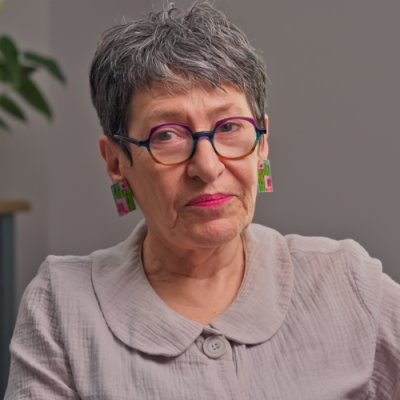
Lead Photo: Nikki Johnston






Leave a Reply