


In recent years, Bhutan has been working towards developing palliative care which remained unknown until a decade ago. Since the two lecturers from the Medical University of Bhutan attended the six-week Hands-on training at Pallium India in Kerala in 2016, palliative care continued to develop in the country. With more nurses trained in Pallium India and with support from within and outside the country, in 2018, the National Referral Hospital launched a home palliative care service. Today, manned by a palliative care physician and four nurses, the home-care team visits patients (predominantly adults) and their families residing in Thimphu, the capital city.
While the need for adult palliative care in Bhutan was explored in 2019, the evidence on the need for Children’s Palliative Care (CPC) is limited. However, there are an estimated 700 children in Bhutan with serious or complex medical conditions who need palliative care each year. As per the Annual Health records, childhood cancer and other life-limiting conditions including heart diseases, neurological conditions, premature births, congenital anomalies and severe birth asphyxia are increasing in Bhutan.
About 97% of children requiring palliative care live in the low- and middle-income countries and among them 25% live in Southeast Asian countries. To address this huge need, in February 2024, the Children’s Palliative Care Leadership Programme was initiated jointly by the Two Worlds Cancer Collaboration (TWCC), Pain Relief and Palliative Care Society (PRPCS) and other international organisations. The aim of the initiative is to develop CPC leaders in the region who can lead and champion the development of CPC services in their countries.
Dr Tara Devi Laabar (PhD), a nurse lecturer, is the scholar from Bhutan among the first cohort of the leadership programme. With an overarching goal to develop CPC in Bhutan, Tara aims to develop CPC knowledge and skills among healthcare professionals involved in caring for children. Tara is mentored by Dr Spandana Rayala, a CPC specialist and the Associate Director of the Sunflower Children’s Network – a TWCC initiative. In 2023, prior to the Leadership programme, a six-week (75-minute session weekly) virtual CPC course was conducted for more than 40 paediatricians, residents, nurses and other allied health workers in Bhutan with support from TWCC. With the leadership programme, Tara continued to provide face-to face CPC education at the regional referral hospitals.
Recently, in July 2024, Dr Spandana visited Bhutan mainly to understand the on-the-ground realities in further developing CPC and also to strengthen CPC knowledge and skills at the Jigme Dorji Wangchuck National Referral Hospital (JDWNRH), the largest tertiary hospital of the country. During the visit, she helped in caring for a child at end-of-life in the Paediatric ICU and the family and also provided bed-side teachings, conducted family meetings, and made presentations on CPC including pain management and communication – the cornerstone of palliative care. Besides the educational sessions, she also met with some of the important stakeholders in the country including the President of the National Medical Service, Director of Public Health and other officials at the Ministry of Health, President of the Medical University, the Bhutan Cancer Society officials, the Home Palliative Care team and the WHO Country Representative.
The visit has helped Bhutanese healthcare professionals, who are already motivated, have better understanding on the importance of PPC and integrate palliative care into their patient care.
“My approach to patient care has improved ever since I started learning about palliative care and Dr Spandana’s visit has helped us learn more about CPC” said Dr Purushotam Bhandari, a Paediatrician at the Central Regional Referral Hospital, who attended the sessions virtually.
Dr Sonam, a Paediatric Intensivist at the JDWNRH, said “Dr. Spandana brought a wealth of knowledge and compassion to our department. Her skills in handling difficult conversations with sensitivity and empathy truly showcased the art of paediatric palliative care. We are grateful for the invaluable lessons she imparted on us and the inspiration she provided to continue delivering the highest quality palliative care to our young patients and their families.”
Dr Dinesh Pradhan, a Neonatologist also at JDWNRH said, “She did a myriad of activities – meeting administrators, clinicians, nurses, seeing patients, conducting counselling sessions, giving classes, hosting stakeholder meetings. Diverse professionals with a stake in CPC have agreed on its importance and relevance and offered their commitment to take it forward to the major hospitals all over the country. Now we need to identify local champions, create CPC teams and start offering services.”
“I saw commitment and dedication from Two Worlds Cancer Collaboration to develop CPC services in Bhutan. I hope she will come again and continue to enhance our knowledge and skills in CPC” said Dr Kuenley Pedon, a Paediatrician at the JDWNRH.
Dr Tashi Choden, the Head of Paediatric Department at JDWNRH, said “Dr Spandana had sessions with parents, meetings with different stakeholders and I am sure each one of us now value how important palliative care is. Palliative care is as important as curative and no less. Thank you, Two Worlds Cancer Collaboration, for this wonderful project, without the project, this additional learning would not have been possible.”
The WHO Representative organised a meeting on palliative care with all relevant stakeholders at the WHO office where Dr Spandana made a presentation. Representatives of TWCC, Pallium India and other regional collaborators also joined the meeting virtually. The presentation highlighted that Bhutan, within a short period, have moved Bhutan from category 1 of ‘no palliative care provision’ in 2017 to category 3a, ‘isolated palliative care provision’ by 2024 and soon to implement all over the country. She commended on the simultaneous development of adult palliative care and PPC in Bhutan. At the meeting, the WHO committed to provide the required support to roll out the implementation of the programme and to build knowledge and skills not only of healthcare professionals but also monks, nuns and local traditional healers in basic palliative care.

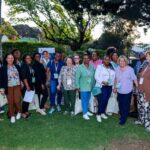
At the meeting with the relevant stakeholders

A debrief session following a family meeting


Leave a Reply