

South Africa formally recognised palliative care as an essential component of healthcare nearly a decade ago. However, misconceptions about when it should begin continue to prevent some patients from accessing the care that could support them through serious illness.
Palliative care is still frequently associated with the final stages of life, although South African health policy has long recognised that it can begin much earlier. The Association of Palliative Care Centres (APCC) is focusing on this disconnect for World Hospice and Palliative Care Day on 10 October.
The National Policy Framework and Strategy on Palliative Care, adopted in 2017, called for integrating palliative care across all levels of the health system. It defines palliative care as multidisciplinary care for patients and families affected by life-limiting or life-threatening illness, applicable from the time of diagnosis.

According to Motlalentoa Motsoane, CEO of the APCC, the perception that palliative care belongs at the end of a person’s life can delay conversations that could happen much sooner.
“Too often, palliative care enters the conversation when a patient is nearing the end of life. By then, we have lost valuable time when that person and their family could have been receiving support. We need to change the perception that palliative care is only something to consider when treatment options are running out,” he explains.
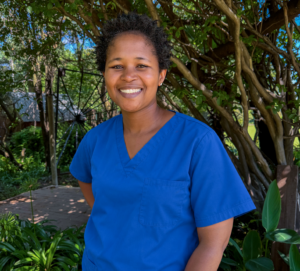
Dr Sinalo Maleho of East Rand Palliative Care sees the difference palliative care can make while treatment is still underway. “Palliative care helps manage patients’ pain and other symptoms, especially during their treatment programme. This can help them fight their disease more effectively,” she says.
The experience of a young mother cared for by Estcourt Hospice in KwaZulu-Natal shows what this can mean in practice. When she came into hospice care, she was bedbound, paraplegic and had limited movement of her upper body. She was living with HIV and a recto-vaginal fistula, and her aunt was caring for both her and her children.
The hospice brought her pain under control, helped manage her other symptoms and supported her emotionally. Her mobility gradually improved, and she was able to return to her own home. She has since undergone surgery for severe foot drop caused by months of immobility and can now stand with a walker. She is cooking and caring for herself again, with support from her children and partner. Estcourt Hospice continues to assist with transport to hospital appointments and physiotherapy.
“This is why we need to change the idea that a referral to palliative care means someone has reached the end of treatment,” says Motsoane. “Palliative care can support people while they are living with serious illness, including while treatment or rehabilitation continues.”
The APCC is highlighting stories like this from its member organisations as part of its World Hospice and Palliative Care Day 2026 campaign. They show that much of the palliative care South Africans need already exists, but too many people still reach it too late.
The campaign asks: Imagine if everyone who could benefit from palliative care actually received it?
Motsoane says this will require healthcare professionals, patients and families to think about palliative care earlier.
“Healthcare professionals need to recognise when palliative care could help and know where to refer. Patients and families also need to know that they can ask about it before the final stages of illness. The sooner those conversations happen, the sooner people can find out what support is available to them.”
To find an accredited palliative care provider in your area, visit https://apcc.org.za/find-a-palliative-care-centre/.
——————–
About the APCC
The Association of Palliative Care Centres (APCC) is a registered NPO in South Africa. Founded in 1987, the APCC is a member organisation for palliative care service providers, many of whom refer to themselves as hospices. As a national charity, the Association champions and supports 70 member organisations that provide palliative care services to approximately 40,000 people per year. APCC’s members are located across South Africa and care for patients with a variety of life-threatening conditions, predominantly in the comfort of their own homes.
About palliative care
Palliative care is the physical, psychological, social, and spiritual care provided by an inter-disciplinary team of experts to anyone with a life-threatening illness and their loved ones. Care is offered from the point of diagnosis and extends to bereavement support if needed. APCC members typically have a team that includes a medical doctor, professional nurse, social worker, counsellor, and home-based carers. All staff are trained in palliative care, which aims to ensure a quality of life for patients and to prevent and relieve unnecessary suffering.
——————–
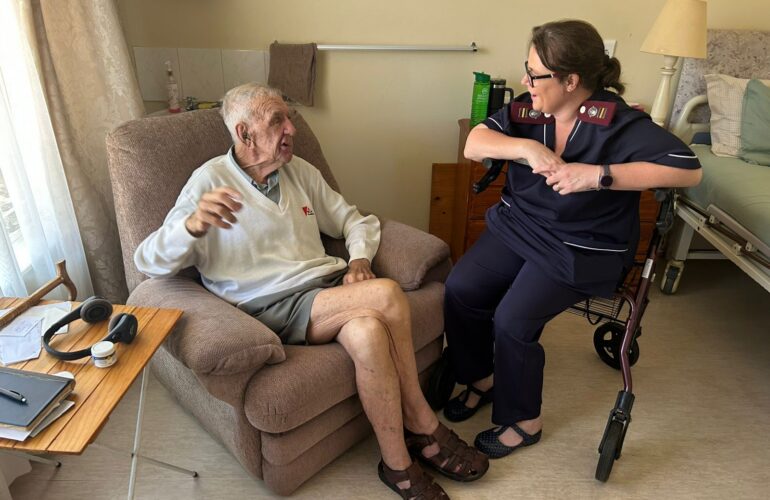
Lead photo caption: Midlands Hospice – Care in the home
===================
ehospice is proud to help promote individual, local, national and international voices in Hospice & Palliative Care
We are on target to have over One Million page views this year.
To stay in touch with colleagues and news around the world subscribe to our free Newsletter


Leave a Reply