

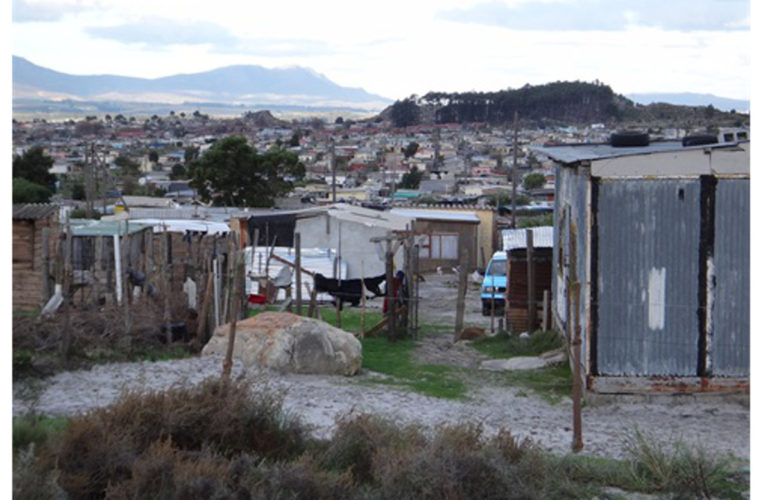
But it is also a town with an HIV prevalence rate of 34% and one of the highest TB infection rates in the world. A population of seasonal workers are employed only for six months of the year and in the off-season, crime, poverty and substance abuse issues rise fuelling TB and HIV-infection rates.
The Thembalitsha Foundation aims to restore hope to disadvantaged people in South Africa, developing them to a point of self-reliance through the provision of healthcare, education and training. The foundation runs seven projects in the Western Cape, one of which is the ThembaCare project in Grabouw: a seven-bed hospice for people who are terminally ill and whose lives have been affected by HIV, AIDS and TB.
NACOSA sub-recipient and network member, ThembaCare, puts social connectedness at the top of its priority list. The people at ThembaCare feel that “togetherness”, particularly in a disadvantaged community like Grabouw, is vitally important.
STRUGGLES
ThembaCare was started in 2006 after a child was discharged from a hospice in the Metro with no referral system or follow-up care. At that time, a 24-hour medical facility in Grabouw didn’t exist and the local day hospital operated only from eight in the morning until four in the afternoon. Very sick patients had to go to the nearest hospital 30 minutes away with limited transport and resources.
In the beginning, the project found it difficult to transport patients and liaising with the local clinic and other NGOs in the district was a struggle. Some patients refused to go to the local clinic for their medication as a result of stigma, ignorance and the fact that ARV sites were obviously separate from the clinic.
To continue reading this article, click here


Leave a Reply