

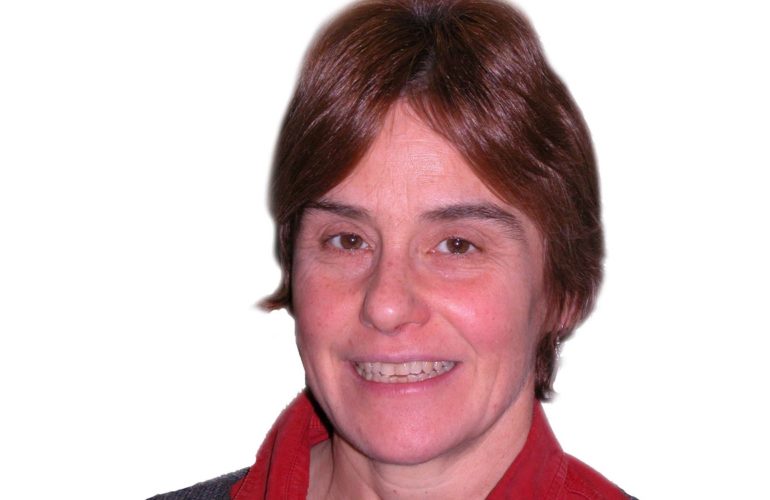
ehospice talks to management consultant and trainer Sarah Hargreaves about the masterclass ‘Hospice trustees: what you need to know’ which she leads on behalf of Hospice UK.
What is your background and how did you move into this work?
I have worked equally in the public sector and charity sector and led training in management and leadership before I started training trustees for youth organisations, children’s charities and for the Arts Council. I then joined forces with a former colleague who was already delivering trustee training to what was then Help the Hospices, and have been working with Hospice UK ever since.
We developed the masterclass from the Twenty-minute guide to being a Hospice Trustee which focuses on the role of the Board, the role of individual trustees and the relationship with the chief executive and senior team and I update the content regularly to take into account any relevant changes in regulation.
Have you seen changes in the role of trustees in this time?
Hospices are larger, the regulatory environment is much more detailed and stringent and the public is more critical about the role and value of charities. As leaders of their organisations, trustees are responsible for large numbers of staff and volunteers, for clinical services, financial probity and reputation management. Overall, it is a more challenging environment and one in which trustees need to understand their individual role and responsibilities and the collective ones of the Board of which they are a member.
What do participants gain from attending?
Participants gain both knowledge and skills. One of the key skills is to think and act strategically and to avoid acting operationally. I use different models to illustrate the boundaries of the trustee role and draw on Hospice UK’s Peering over the Precipice and Good Practice Guides. The content also emphasises constructive behaviour in Board meetings which involves regular attendance and thorough preparation, critical questioning without being aggressive, and giving each other a chance to speak. I have met some very experienced and impressive people amongst hospice trustees and the role of the masterclass is partly to help them apply their skills appropriately to a new role.
If they do not receive it already, I encourage participants to sign up for Hospice Leaders Briefing and direct them to a wealth of governance-related resources on Hospice UK’s website and elsewhere.
Who are the masterclasses aimed at?
We originally developed the masterclass for new or recently appointed trustees. However it may be equally suitable for those who are interested in becoming trustees, for example as part of the longer recruitment/induction process which many hospices now offer. We were slightly apprehensive about trustees with several years’ experience coming to the masterclass. However a mix of experience often proves effective because of the opportunity it creates for people to learn from one another. Part of my role is to make sure that everyone is engaged and has an opportunity to contribute. With this in mind I facilitate work in small groups, often based on a case study, because trustees really value meeting people from other hospices and because it motivates people to contribute in a safe environment.
Can you run the masterclass for individual hospices?
Yes, and this is becoming a popular option – either for one hospice or for a group of hospices in the same region. The opportunity for a group of trustees to spend time together and come away with a shared understanding of their role and responsibilities can be a powerful lever for change.
We offer the masterclass across Hospice UK’s membership including Wales, Northern Ireland, and Scotland. The materials are flexible and we make sure we have accurate information from the different regulatory bodies in each country.
What reception have the masterclasses had?
I am pleased to say that it has been very positive and reflects that what I offer is a very good knowledge of content combined with a professional and flexible approach. People appear to enjoy and benefit from the way in which I facilitate the masterclass which I aim to be relaxed while covering a lot of ground. Everyone who has responded to the feedback surveys has taken away very practical action points, for example to review the way they run meetings or to change their recruitment and induction practice.


Leave a Reply