


While St Christopher’s can say it reduced the pain of 60% of its patients – this raised the question: what about those for whom it’s not addressing their pain?
The Sharp End of Pain conference at St Christopher’s brought together specialists in pain and palliative medicine to explore the potential of closer integration between the two disciplines. Chaired by Dr Alison Landon, the event served as a platform for healthcare professionals to exchange experiences, challenge traditional boundaries, and highlight the practical benefits of collaborative approaches in managing complex pain.
With demographic changes pointing to an ageing population living longer with chronic conditions, the urgency to refine and unify strategies for pain relief is greater than ever.
Dr Sue Peat, consultant in pain medicine at King’s College Hospitals, set the scene and outlined the main aims for the Sharp End of Pain conference at St Christopher’s.
“The whole essence is integration between pain physicians and palliative physicians. We have lots to learn from each other and learn best through that personal connection when dealing with difficult situations.
“St Christopher’s have been partners and good friends for years and we would like to let everyone know how this relationship works and would like to learn from you too.”
More than just physical pain

Dr Alison Landon, Palliative Care Physician at St Christopher’s, reminded delegates that when talking about pain, they should always look at it in the context of Dame Cicely Saunders’ concept of ‘total pain’. As well as looking back, Alison also encouraged colleagues to look to the future and the expected demographic shift to a population that lives longer with multiple morbidities, associated chronic pain and a different set of expectations.
While St Christopher’s can say it reduced the pain of 60% of its patients – this raised the question: what about those for whom it’s not addressing their pain?
Alison shared the experience of a female patient with complex and debilitating neuropathic pain that analgesics didn’t ease. After several ”single shot” epidurals she was admitted for an indwelling one and spent the final three weeks of her life in the hospice with her pain managed and surrounded by her family.
That’s where the Interventional Pain Team from King’s comes in.
How do St Christopher’s and King’s work together and what difference does it make?
In practical terms, Sue Peat and fellow anaesthetist colleague, Dr Catherine Stack, visit the hospice every Wednesday afternoon (which they describe as the highlight of their working week), conduct assessments of any complex cases as well as completing interventions where required. They are also on call 24/7 for advice and troubleshooting and conduct some home visits.

Dr Catherine Stack
Catherine expanded on the needs of pain management experts when working in a hospice, sharing that the same high standards of sterility and excellent nursing care are essential. Most anaesthetists are happy to perform lumbar and thoracic epidurals without imaging in a hospice setting and patients are happy to accept the slightly greater risk of it not working in exchange for staying out of hospital.
Alison urged colleagues across the sector to explore this partnership model, to find their local co-workers, get to know them and build a model of training, education and shared learning.

Dr Jeannine Gambin, palliative care physician at Malta Mater Dei Hospital in Malta, who completed part of her training at St Christopher’s and conducted research in the process, stressed the importance of palliative care physicians seeking advice and support. One of the key benefits she noted of the partnership model was the very real sense patients felt of not being abandoned.
Dr Dominic O’Connor, Consultant Anaesthetist at King’s, emphasised the physical benefits of peripheral blocks. He said:
“They provide reliable pain relief with a reduced burden of opioids and have the potential to be long-lasting while also being relatively safe. That is the goal for symptom management in later stages of life – one injection and a few months of benefit.”
The procedures are not long, but do require a setting that’s safe and comfortable for the patient, as well as a ‘willing, not expert, assistant’.
In the afternoon session, delegates submitted challenging cases for the experts to consider. Among the key points to emerge from these were the potential usefulness of a cordotomy, the need to address a patient’s psychological as well as physical pain, and the importance of judging a patient’s willingness to discuss and decide for themselves.
That requirement for flexibility rings true for other elements of the work of the pain intervention team, Sue Peat reflected, as she shared details of a case when a needle going that little bit too far led to an epidural becomes an intrathecal. “Having a plan b is very important,” she added.
Providing the hospice’s point of view of the essential factors for making this collaboration work, delegates heard from Julie O’Neill, St Christopher’s Ward Manager, as well as Palliative Care Consultant, Dr Emma Hall. Julie stressed the importance of continual learning in the form of workshops, workbooks and attendance at meetings with the Pain team. To manage the challenges posed by a lack of frequency of interventions, she outlines how the team can simulate these in order to maintain confidence and competence.
Julie described the relationship with the Pain team as symbiotic, adding:
“If you and your colleagues are looking to do this, it’s about building those relationships so you can make a difference for the patients you’re caring for.”
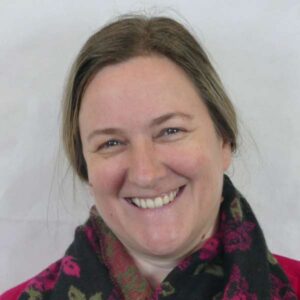
Dr Emma Hall pointed to the dedicated administrator who allows both teams to operate with flexibility. Emma also outlined some of the other practical building blocks, like SLAs, indemnity cover and a rota that ensures sufficient cover, day and night. Another ingredient in the success of the partnership is the inclusion of the hospices head of psychological therapies in the multi-disciplinary meetings.
“The pain intervention team have been so supportive and bring such a huge amount to the service,” Emma concluded.
Optimise the relationship by focusing on each other’s strengths
Palliative Medicine Consultant Bryony Alderman, who spent time training at St Christopher’s called for pain intervention to be prioritised in training so as to instil confidence in the palliative care workforce and overcome the binary perception of pain team vs palliative team. Engaging with and seeking early advice from the pain team and sharing the knowledge you build, are two further pieces of advice Bryony shared.
Maintaining a two-way learning process built on constant, clear communication that recognises each party’s needs is key to a productive working relationship between a pain intervention and palliative team, Sue Peat said. Recognising each other’s strengths and weaknesses is also crucial. For example, she said, that means leaving the difficult conversations to her palliative colleagues.
The Sharp End of Pain conference made it clear: collaboration between pain and palliative care teams is not just beneficial—it’s essential. Whether through shared clinical practice, cross-disciplinary training, or simply building trust and familiarity between teams, the message was consistent: integrated care leads to better outcomes. When pain specialists and palliative physicians bring their strengths together, patients benefit from a more holistic, responsive, and compassionate approach. The success stories from St Christopher’s and King’s College Hospital offer a blueprint for others—one built on mutual respect, ongoing learning, and a shared commitment to easing suffering in its many forms.


Leave a Reply