

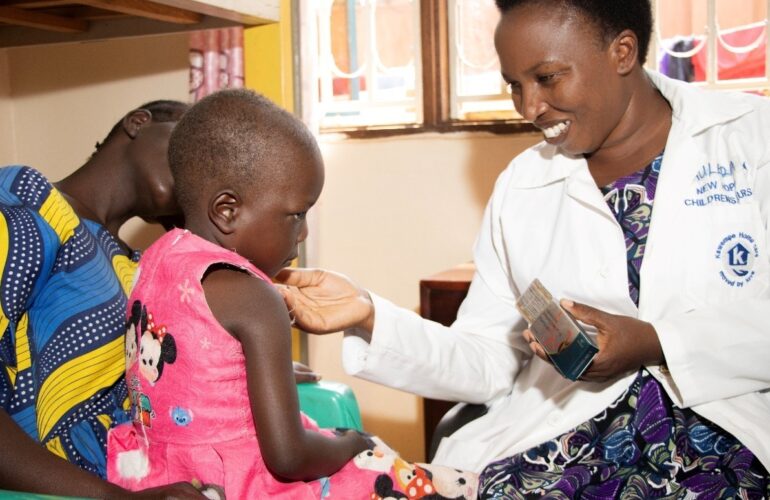
It’s 4 February, 2026, World Cancer Day. At Kawempe Home Care, on the outskirts of Kampala, children living with cancer are supported not only to survive, but to live with dignity. Care teams manage pain, support treatment adherence, counsel families, and create moments of normalcy in lives interrupted by illness. For many children and caregivers, Kawempe is the first place where cancer care feels humane, where suffering is addressed alongside disease, and where families are not left to cope alone.
This people-centred approach reflects what effective cancer care should look like across Africa. Yet for millions, such care remains out of reach.
As the World Cancer Day “United by Unique” campaign continues, it reminds us that cancer care must respond not only to the biology of disease, but to the lived realities of people. Every cancer journey is shaped by personal circumstances, culture, and community. For many across the continent, responding to these realities means ensuring that palliative care is integrated from the point of diagnosis, so that pain relief, psychosocial support, and family care are not optional extras, but essential elements of treatment.
Across Africa, the cancer burden continues to rise. Each year, more than one million people are diagnosed, with many more remaining undiagnosed. For most patients, the cancer journey begins late, when disease is already advanced. At this stage, treatment options are limited, suffering is high, and families face overwhelming emotional and financial strain. Access to prevention, screening, diagnosis, and treatment remains deeply uneven, shaped by shortages of trained health professionals, weak referral systems, limited diagnostic capacity, and high out of pocket costs.
 For too many people, relief from pain, counselling, and end of life support are simply unavailable.
People-centred cancer care affirms that quality of life matters at every stage of illness, regardless of prognosis. It recognises that managing pain, addressing fear and distress, and supporting families are not secondary concerns, but core responsibilities of health systems. This is where palliative care plays a critical role, supporting patients from diagnosis, through treatment, and when cure is no longer possible.
In response to these challenges, the African Palliative Care Association (APCA), working with partners across the continent, champions palliative care as a core component of comprehensive cancer care. Palliative care improves quality of life through effective pain and symptom control, emotional and spiritual support, and care for families, needs that remain urgent throughout the cancer journey. Crucially, APCA promotes integration from diagnosis, not only at the end of life. This approach aligns closely with the United by Unique campaign’s emphasis on dignity, equity, and respect for individual experience.
A central pillar of APCA’s work is capacity building. Through regional training programmes, APCA supports nurses, doctors, social workers, and allied health professionals to strengthen cancer and palliative care services within their own health systems, often in settings where oncology services are limited or overstretched.
Across Africa, APCA has supported initiatives that integrate palliative care into national health systems, expand professional competencies, and strengthen service delivery across multiple countries. Notably, APCA contributed to the development of competency based palliative care training frameworks and core curricula that have been adapted and translated for use in Botswana, Cameroon, Ethiopia, Ghana, Kenya, Malawi, Mozambique, Namibia, Rwanda, Eswatini, Tanzania, Uganda, and Zambia. These efforts help standardise essential knowledge and skills across diverse linguistic and health system contexts, making care more consistent and accessible.
 Reflecting on this regional responsibility, Dr Eve Namisango, Executive Director of APCA, has emphasised the importance of scale and collaboration:
“No one should live or die in pain because of where they are born. By integrating palliative care into cancer services from diagnosis, we are ensuring that dignity and quality of life are part of care for every person, everywhere.”
From community-based services like Kawempe Home Care to regional policy and training frameworks, these efforts demonstrate what is possible when care is designed around people, not just systems.
As Africa confronts a growing cancer burden, people-centred care must become the standard, not the exception. By strengthening health workforces, harmonising training and standards, and engaging policymakers at national and regional levels, we can build resilient cancer care systems that reduce suffering, uphold dignity, and ensure that no one, child or adult, is left behind.


Leave a Reply