

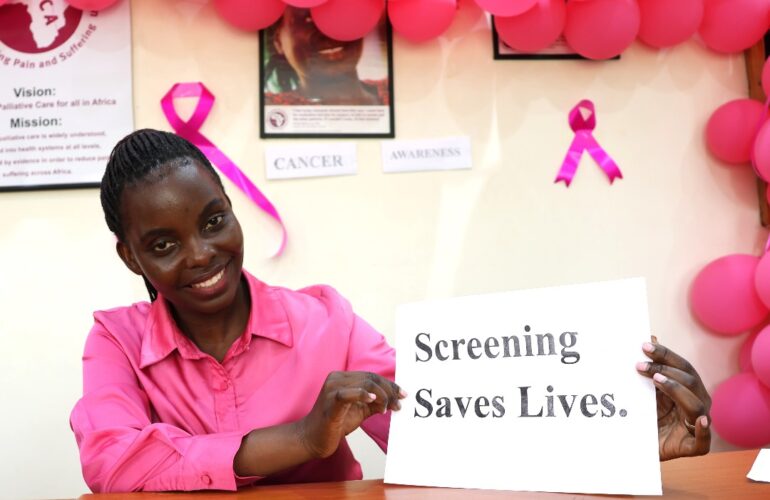
The Growing Challenge of Breast Cancer in Africa
Breast cancer has quietly become one of Africa’s most urgent public health challenges. Once viewed as a disease of the wealthy, it now affects women across every community—from urban centers to remote villages. Yet, most cases are detected late, when treatment options are limited and suffering is profound.
From a palliative care perspective, late detection is more than a medical issue—it is a humanitarian crisis that calls for compassion, education, and early action.
The Burden of Late Detection
 Across Africa, over 70% of breast cancer cases are diagnosed at advanced stages (WHO, 2023). In countries like Uganda, Kenya, and Zambia, women often seek care only when symptoms such as pain or swelling become unbearable.
This delay arises from limited awareness about breast health, stigma, financial hardship, and restricted access to diagnostic services. Many women live far from facilities that offer mammograms or biopsies. Cultural myths—linking cancer to witchcraft or punishment—further prevent early help-seeking.
Early Detection Is an Act of Compassion
In African communities, early detection is not only a medical necessity—it is an act of love and justice. When breast cancer is identified early, women have a better chance of healing, and the emotional, financial, and physical burden is reduced.
From a palliative care lens, early detection means more than survival—it allows timely pain relief, psychological support, and family involvement. Women can begin early palliative care, receiving comfort, counseling, and symptom management from diagnosis, not just in the final stages.
Studies show that integrating palliative care early improves treatment adherence, reduces depression and anxiety, and enhances overall quality of life.
Emotional and Social Dimensions of Late Diagnosis
Late-stage breast cancer often brings silent suffering. Many women are stigmatized, abandoned, or blamed for their illness. Families watch loved ones endure pain and distress with limited support.
Palliative care addresses this suffering holistically attending to physical, emotional, social, and spiritual needs. Early emotional support empowers women to face treatment with dignity, faith, and hope.
Early detection, therefore, is not just about finding disease—it’s about preserving humanity.
APCA’s Leadership in Promoting Early Detection and Palliative Care
APCA, together with its partners, has been a continental leader in ensuring that palliative care becomes an essential part of health systems. With cancer cases rising, notably breast cancer, APCA continues to advance policies and programs that integrate early diagnosis, psychosocial support, and palliative care.
 Key initiatives include:
- Awareness and Advocacy: Promoting early screening and challenging cancer stigma through partnerships with ministries of health, media, and communities.
- Health Workforce Training: Equipping nurses and clinicians with skills to provide integrated oncology and palliative care services.
- Community Empowerment: Supporting local associations, organisations and champions to teach breast self-examination and refer women for timely assessment.
- Policy Support: Working with African governments to embed palliative care within national cancer control and universal health coverage plans.
- Research and Innovation: Generating evidence on how early palliative care interventions improve patient outcomes and reduce suffering.
Through these actions, APCA continues to give a voice to women with breast cancer, ensuring that no one suffers in silence and that every life is valued.
Ubuntu: The Heart of African Palliative Care
At the center of African society is Ubuntu— “I am because we are.” Palliative care embodies this spirit of shared humanity. Early detection of breast cancer not only saves individual lives but strengthens families and communities.
When a woman lives longer and healthier, her family thrives, her children are nurtured, and her community gains. Early detection is, therefore, an investment in Africa’s collective future.
A Call to Action
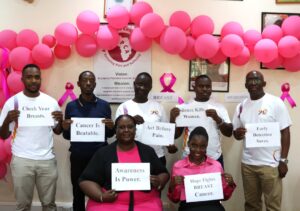 Breast cancer should no longer be a death sentence in Africa. Through early detection and timely palliative care, we can transform fear into hope and pain into healing.
Governments, NGOs, and communities must invest in accessible screening programs, ensure that health workers are trained, and make palliative care available at every stage of illness.
Each early diagnosis is a life potentially saved.
Each act of compassion is a step toward a healthier, more humane Africa.
Early detection saves lives. Early palliative care restores hope. Together, they save Africa’s mothers, daughters, and sisters.


Leave a Reply