

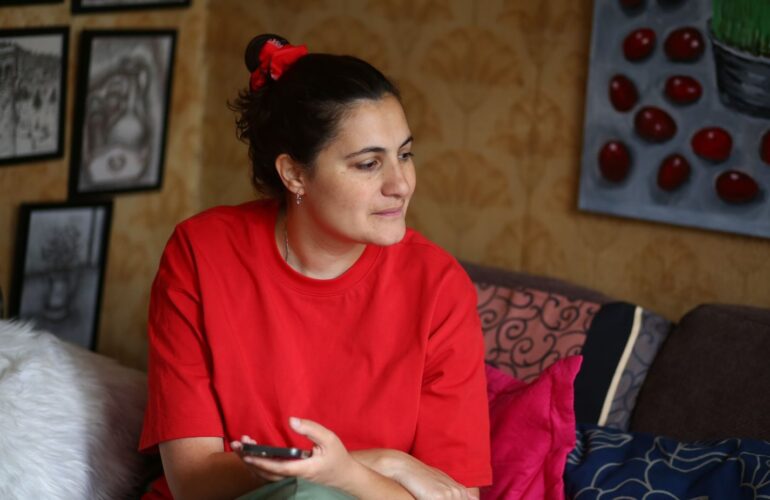
Help must come quickly. In this Changemakers interview, Mariam speaks with Ekaterina Nazarenko from PACED about how an economic mindset helps protect the precious time of nurses and Sisters of Mercy. She explains why professional management is essential to safeguarding patient dignity and how, within the convent, modern science is a natural extension of Christian compassion.
Mariam: It all began with Ketevan Japaridze—our first nurse. She is nearing sixty now, but back then she was a young woman. She approached the Mother Superior and said she wanted to join the convent. The Mother told her she couldn’t admit her on the spot, but she could give her a task: to care for a terminally ill woman. Ketevan agreed and devoted her whole soul to that care. Our tradition of palliative care grew out of that single story.
At first, everything happened spontaneously. Soon, Mother Superior realised how vital this work was and how important it was to study it properly. She devoted all her energy to it. Over time, this led to the creation of both our school and the hospice.

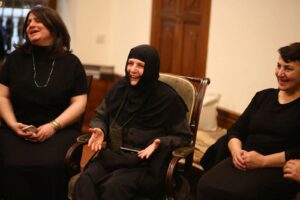
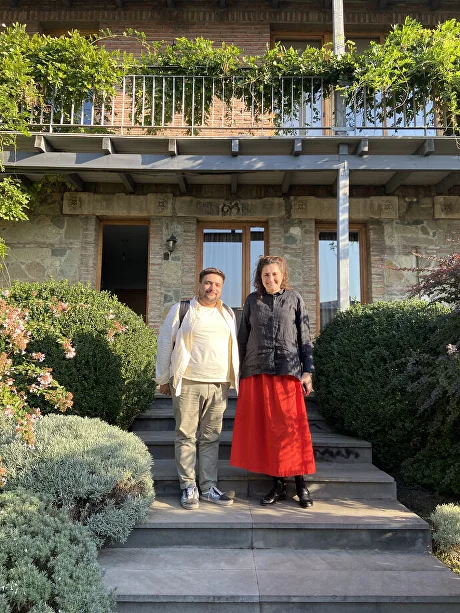
Mother Superior Mariam Mikeladze and Mariam Palavandishvili / Photo from personal Facebook profile
In the 1990s, the situation in Georgia was dire: the Soviet Union had collapsed, leaving the country unstable and impoverished. Yet at the same time, churches and convents that had been closed during the Soviet years were reopening, and the Patriarchateplayed a major role in helping people. Our convent is in the heart of Tbilisi, so the Patriarch gave Mother his blessing for a ‘ministry of mercy’—to welcome everyone who needed help during those troubled times.
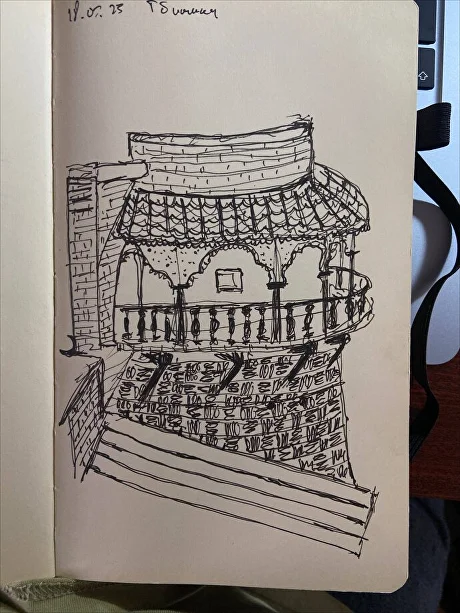
There is a house in the convent courtyard with a large balcony. They told me that in summer, they would simply lay out mattresses there, and everyone would live together. It was chaotic and incredibly difficult. Over time, it became clear that enthusiasm was not enough—a system was needed. Some of the residents—children and their parents—were moved to communities in Dzhegvi and Bediani, where shelters still operate today.
However, Mother decided that care for the dying should remain at the convent. She believed this ministry was deeply connected to monasticism as a form of accompaniment for those transitioning into eternal life. That is how our hospice began—a small house for six people that still stands today.
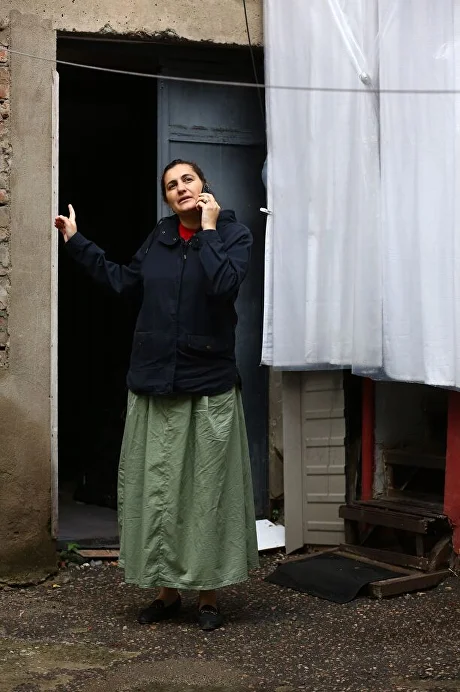
In the past two years, practical care training has become mandatory for opening mobile services or nursing homes in Georgia. We hold a state licence and conduct government-approved training sessions. Apart from us, such training is available only through the Red Cross or Caritas.
The state is increasingly active in supporting mobile palliative services. Previously, this was a municipal project with very strict criteria: home care was available only to those with extremely low social standing. It was unfair—many people in need didn’t ‘meet’ that bar on paper and were left without care. Now, the criteria have been relaxed.
For a long time, we deliberately chose not to join the state programme to preserve our freedom—to accept everyone who truly needed it, based on medical and human factors rather than formal indicators. Now that the conditions are more flexible, we have begun collaborating with the state, though we have only a few ‘state-funded’ patients so far; we cannot abandon those we have cared for over the years.
Mariam: Exactly. Our experts were at the very outset of developing national strategies for hospices and home care. Our leading specialist, whom I mentioned—Shukia Chincharauli—remains the country’s foremost expert in care to this day. She is a nurse, but her specialisation isn’t in conventional medical procedures; it’s in the philosophy of care and kinesthetics. She is one of those rare individuals who has elevated care to the highest professional level.
Ekaterina: How did you personally find your way into palliative care?
Mariam: As a child, I dreamed of becoming a doctor, but life took a different turn—I studied economics and law. Yet my interest in medicine never waned; I even wrote my thesis on healthcare management.
When I returned to Georgia after years abroad, I remembered the nursing school and the hospice at the convent. I went there as a volunteer, hoping to help out a bit. But it soon became clear that administrative support was needed even more than extra hands, so the Mother Superior gradually handed over management to me.
Thanks to my education, I had a theoretical foundation, but in practice, things proved more complex. In the early years, I was learning on the job—accompanying nurses on home visits, diving into every case, and, of course, completing the palliative care courses myself. In the end, it became my life’s work.
Ekaterina: Was there something personal in your life that specifically drew you to caring for people at the end of life?
Mariam: While I was a student, I cared for my great-grandmother’s elderly relatives. Ever since then, the fate of the elderly has moved me to the core: often, there is simply no one to help them.
Ekaterina: You manage both the hospice and the training centre. How do you manage to balance these roles?
Mariam: I serve as an executive manager, but each division—the inpatient unit, the training centre, and our two mobile services—has its own head of department.
We are now restructuring our organisation based on international models. Our goal is to have one Head Nurse oversee the hospice and mobile services, who in turn manages the departmental coordinators. Meanwhile, we’ve shifted the entire administrative burden—scheduling, reporting, and paperwork—to a dedicated operations department.
My contribution is to provide the right environment for those who provide care. I have endless admiration for these people. The work of home-care nurses is an immense burden. You enter different families, and each presents a unique knot of problems—not just medical ones. You have to stay fit, maintain your inner resources, and share them with five or six families every day. It is a true ministry.
To me, our hospice feels almost like home. The building is very old and cramped, so we are planning to build a new facility and want it to offer the same domestic comfort. Thanks to the Patriarchate’s support, we already have the land and a nearly finalised architectural design. We plan to build two wings for 20 people, allowing us to admit both men and women. The main challenge now is securing the funding.
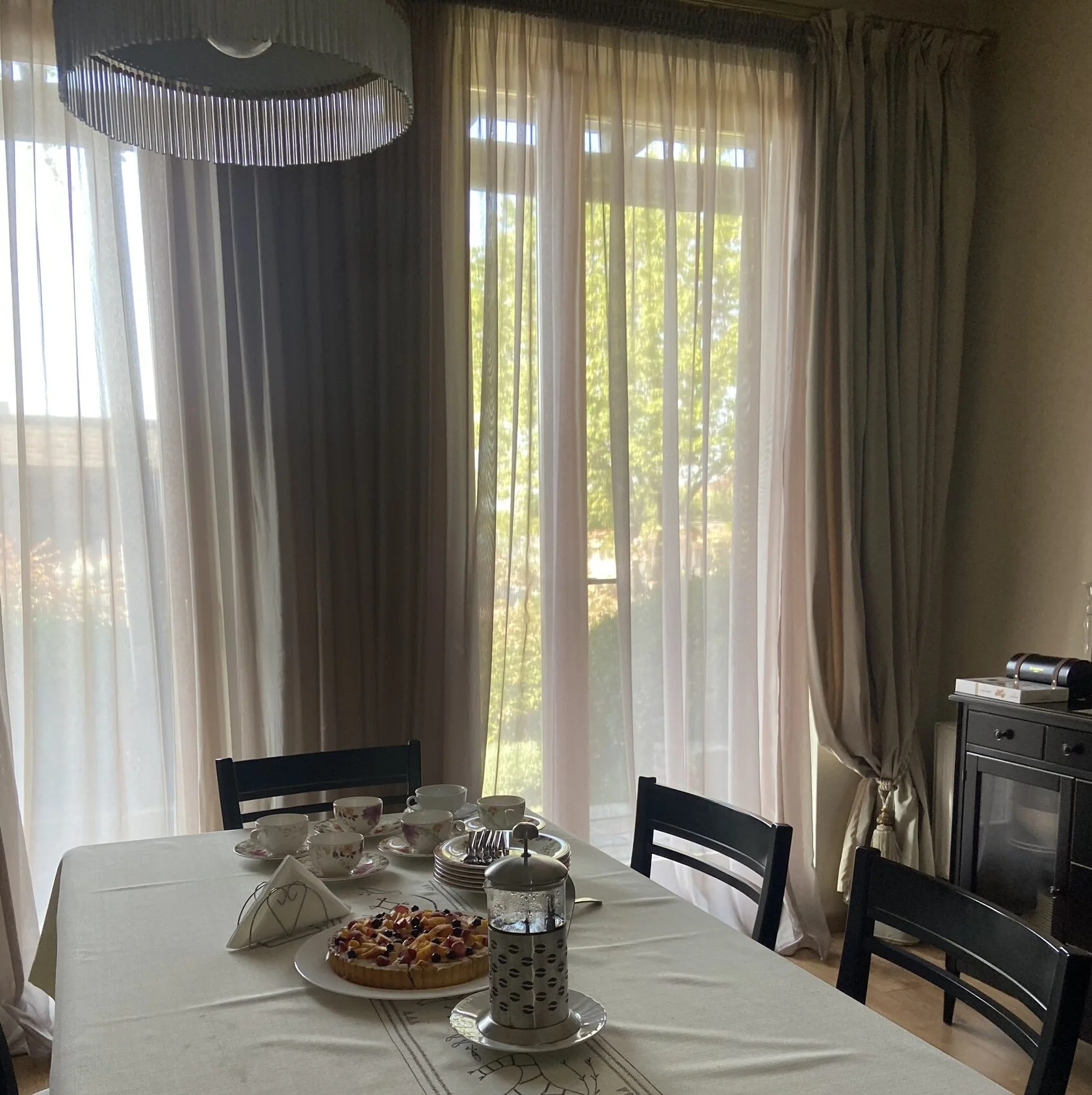
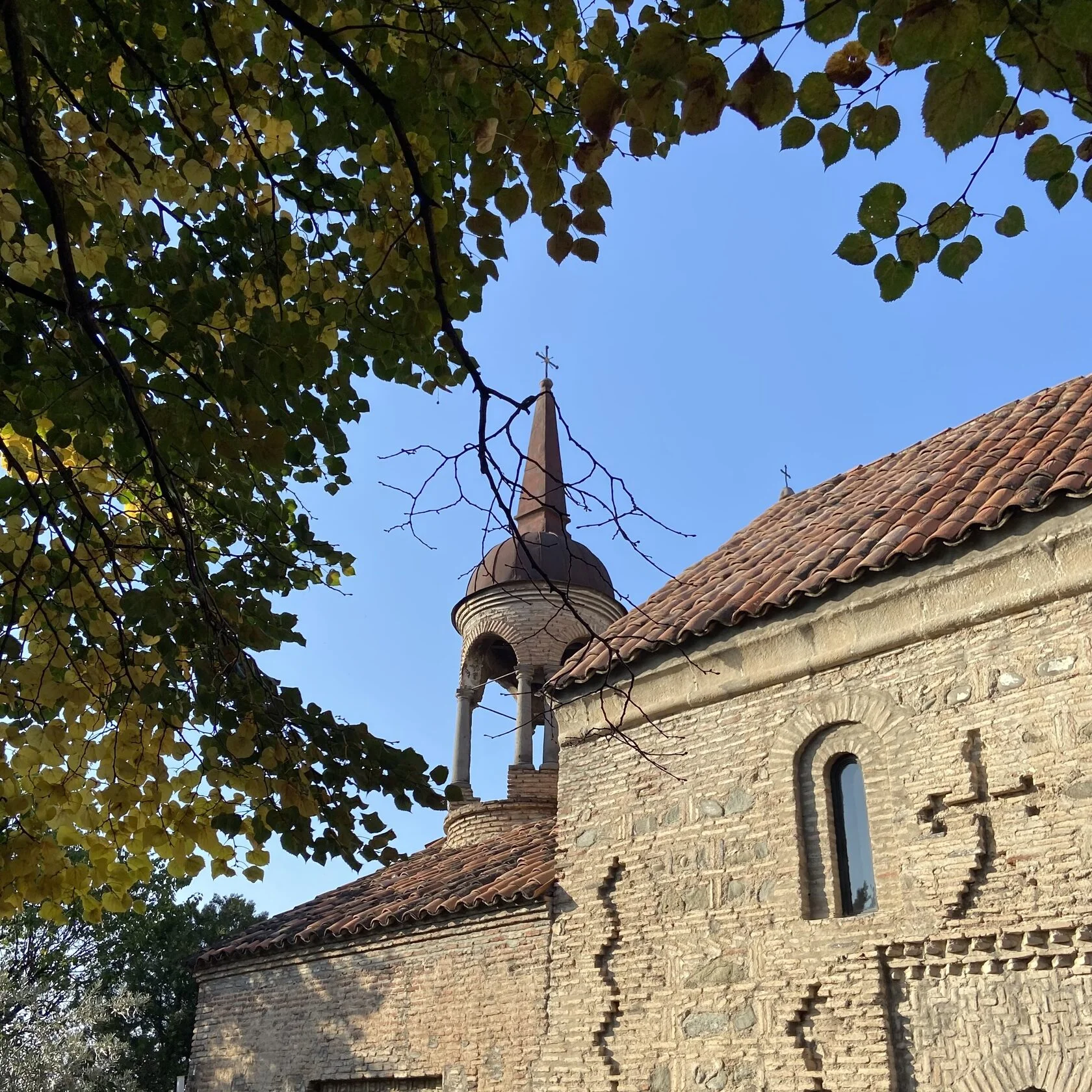
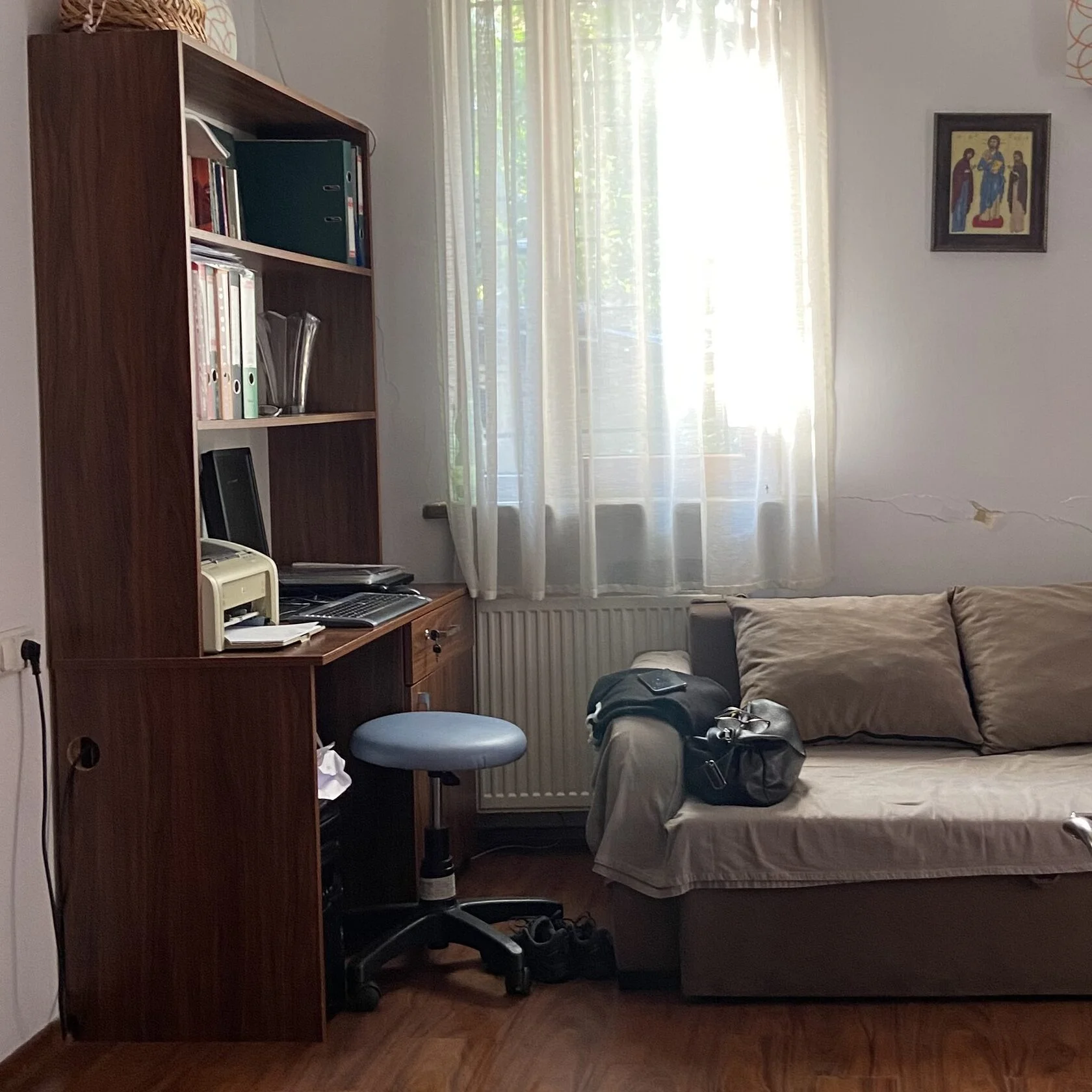
Peristsvaleba Hospice/ Photo by Felix Pinto-Baquerizo, PACED Archive
Mariam: Georgia is undergoing significant change and facing challenges. For a long time, our primary donor was American Friends of Georgia—they supported us almost from the start. However, in the past year, their internal priorities shifted, and funding stopped. This is unrelated to the ‘foreign agents’ law; it’s simply a shift in their focus. We have maintained a good relationship and hope to collaborate in the future.
Currently, our main support comes from the Patriarchate, Georgian businesses, and private individuals. We call them ‘friends of the hospice’: people who donate 20–30 GELeach month. These ‘drops’ combine to form a budget we can rely on.
Mariam: It began with our acquaintances, and we then launched a social media campaign with the call to action: become a friend of the hospice. The response was excellent—over a hundred people reached out immediately, and most of them have stayed with us to this day. We’ve tried repeating the campaign, but the results have been more modest. I feel we haven’t quite found the way to reach new audiences yet.
We also engage with organisations: we invite them to visit us and share our mission, and some become long-term partners. There is certainly room to grow our fundraising efforts, but we continue to experiment with different formats.
The Tabitha Pop-Up Shop is our lifeline. We’ve held it once a year for four years. We collect brand-name clothing, designer items, and private donations for sale. Even as second-hand items, these pieces have significant value and generate substantial income. We are often almost out of funds just before an event, and Tabitha helps us pull through.
Designer Maka Asatiani plays a major role in this project. Thanks to her connections and influence, our pop-up shop has reached a new level—it’s not just a sale but a genuine, high-profile event. For three years, the Stamba Hotel hosted us, and last year we were at the Marriott on Rustaveli Avenue. Alongside Maka, other public figures also support us, and we are infinitely grateful to each of them.
Additionally, the Patriarchate has provided significant support over the past two years. Previously, they funded only educational programmes, but they now also allocate funds to patient care. Through these collective efforts, we continue our work.
Ekaterina: Do the nuns participate in patient care, or are these roles separate from one another?
Mariam: The roles are clearly defined. The nuns do not participate in clinical care—they visit the inpatient unit to provide spiritual support and speak with patients. If requested, our chaplain can offer Communion or simply have a heart-to-heart talk. As for management, the Mother Superior is fully involved in all processes—she is always present, helping us uphold our values and fulfil our mission.
Ekaterina: In some religious views, suffering is regarded as a spiritual path, and there is an opinion that pain relief is an obstacle to that journey. Do you share this view?
Mariam: No, we take a completely different approach.
International practice follows a three-step analgesic ladder. The first step uses simple analgesics such as ibuprofen. The third step involves strong opioids, such as morphine. However, the second step—mid-range analgesics—is practically non-existent in Georgia. They are simply not available on the market.
Thank God, morphine is provided free of charge under a law passed in the 2000s. However, in practice, there are complications: while it is prescribed relatively easily for oncology patients, it is extremely difficult for patients with other diagnoses who experience equally severe pain to obtain a prescription. Many clinic doctors are either unaware of the regulations or fear legal responsibility. We recently decided to bring in a lawyer to help these families advocate for their rights.
The procedure for obtaining the medication is also cumbersome: the treating physician writes the prescription, but morphine is dispensed only once a week at a police station. If the pain intensifies on a Friday, the family has to wait until Tuesday. Therefore, everything must be planned well in advance.
Our hospice cannot currently dispense morphine directly because we are not registered as a medical unit. Unfortunately, the term ‘hospice’ is still not officially recognised in Georgian legislation. Consequently, the family is responsible for obtaining the medication, and we provide consultations if they don’t know where to turn. Relatives bring the medicine to us, and after use, they must return the empty ampoules for reporting.
There are activist groups engaged in advocacy and communication with officials, but palliative care is, unfortunately, not currently a priority for the state. A few years ago, several communities and organisations in the sector prepared a development strategy, but it was ignored.
On the plus side, there has been progress in developing mobile services. Palliative wards have also begun to open in hospitals, with the state co-funding 80–90% of the cost. Families still have to pay about 600 GEL per month, which is a significant financial burden for many, but it is already a major step forward for the palliative care system in Georgia.
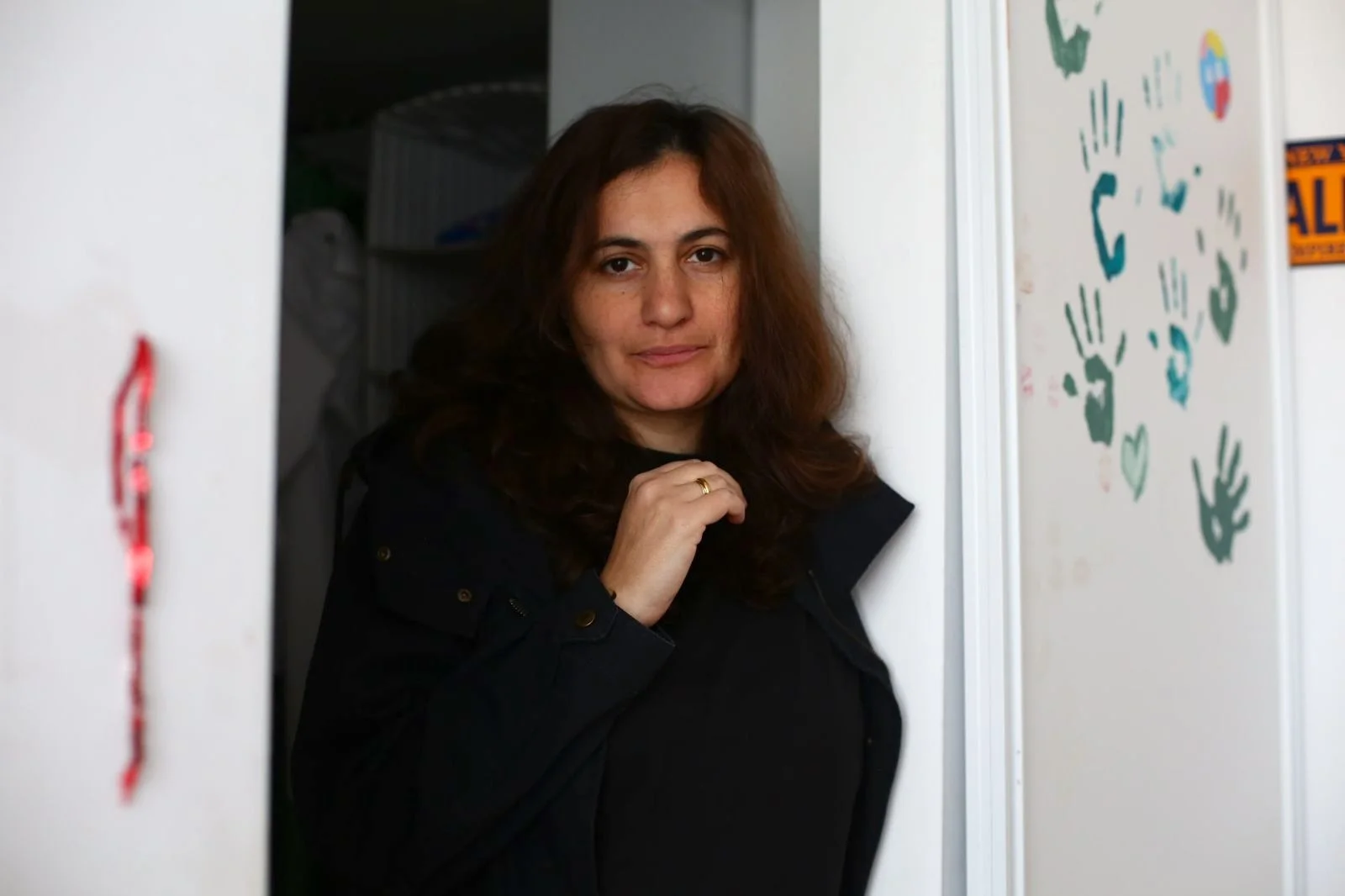
Mariam Palavandishvili / Photo from personal archive
Mariam: We have a professional association for home care and a palliative care association established in the 2000s. We also have a strong community of experts who know one another, as well as activists focused on issues such as the accessibility of pain management. A few years ago, a large conference was held with state representatives, but unfortunately we did not achieve significant results.
Ekaterina: In palliative practice, it is common for relatives to refuse to disclose the diagnosis to the patient. How do you handle this?
Mariam: Such cases do occur, and we try not to go against the family’s wishes. However, to be honest, it isn’t the most pressing issue. Most often, the patients understand everything perfectly well, even if nothing is said out loud. Sometimes a situation arises in which everyone is ‘hiding’ from each other: the mother doesn’t tell the daughter, and the daughter doesn’t tell the mother, even though both are fully aware. In our convent hospice, this is easier: the focus shifts from the end of the earthly journey to the continuation of spiritual life. This sustains people.
Ekaterina: Family values play a major role in Georgia. Is it considered ‘shameful’ to place loved ones in a hospice? Do people struggle with the feeling of ‘abandoning’ their family?
Mariam: That does happen. But to be honest, we believe it is better for a person to remain in their familiar home environment.
Ekaterina: Do patients’ relatives continue to support you after their loved ones pass away? Do they become ‘friends of the hospice’?
Mariam: Usually, no. Sometimes they come to thank us or bring treats, but they rarely become regular donors. This may be because many of our patients come from underprivileged backgrounds and their families simply lack the financial means to provide ongoing support.
Ekaterina: We have an interview with Irakli Vetsko, head of the Firefly World children’s hospice, in which he discusses the specifics of paediatric palliative care in Georgia. In your view, is there a difference in how society perceives children compared with the elderly?
Mariam: It is probably somewhat easier to raise funds for children: people subconsciously hope for a miracle. Yet palliative care—whether paediatric or adult—is a field where there is no hope of a cure. It is psychologically difficult for many to help in a situation where the person ‘will die anyway’. This requires a deep understanding of the value of those final days or months. Usually, this is realised by those who have experienced the loss of a loved one. We still have a lot of educational work ahead of us.
Ekaterina: What is the most pressing issue facing the palliative care system in Georgia right now: funding, legislation, or public awareness?
Mariam: Funding is likely the first priority. We are catastrophically short of inpatient beds and of resources to expand home care. Legislation and public awareness are equally vital. However, the most difficult issue is the shortage of qualified, dedicated nurses and palliative care professionals. Many skilled specialists emigrate from Georgia because salaries are higher abroad and they need to provide for their families. I believe this is our greatest challenge right now.
In fact, all these aspects are inextricably linked: without public understanding, there will be no movement at the top; without movement at the top, there will be no funding; and without funding, there will be neither staff nor public attention. The experience of Europe and the US shows that palliative care must be funded from multiple sources: the state, donors, insurance companies, and volunteers.
To my knowledge, in Spain, palliative care is funded half by the state and half by one of the largest banks. It is very important for our private sector to recognise its importance as well.
Ekaterina: Tell us about your training centre: how many people are involved in the project?
Mariam: The team is small, comprising three or four permanent instructors. Two lead the core care courses, and we also have specialists in communication and first aid. For internal staff training, we invite psychologists and coaches. The centre offers both state-certified programmes and our own short-term courses in dementia, kinesthetics, and wound care.
Ekaterina: Who are your students?
Mariam: Professionals—both those who want to work with us and employees of other organisations—as well as patients’ relatives. We run state training sessions once a quarter and short courses almost every month. We post announcements on social media, and the groups fill up very quickly.
In addition, we are active in the regions: we trained teams in Akhaltsikhe, Racha, and Borjomi ahead of the launch of their mobile palliative services. This was a large-scale project implemented with support from the UNDP.
Mariam: Burnout is a real issue, and the heaviest burden falls on nurses working in the field. We do our best to support them: in addition to spiritual guidance from the Mother Superior, we hold weekly group sessions with a psychologist. The hospice also funds individual consultations. The psychologist teaches the team techniques for ‘switching off’ so specialists don’t bring a heavy emotional load home. In addition to formal measures, we organise group excursions and offer subsidised fitness memberships to help relieve tension.
Ekaterina: How do you personally experience the loss of patients?
Mariam: It is not easy, but the realisation that we were able to help provides comfort.
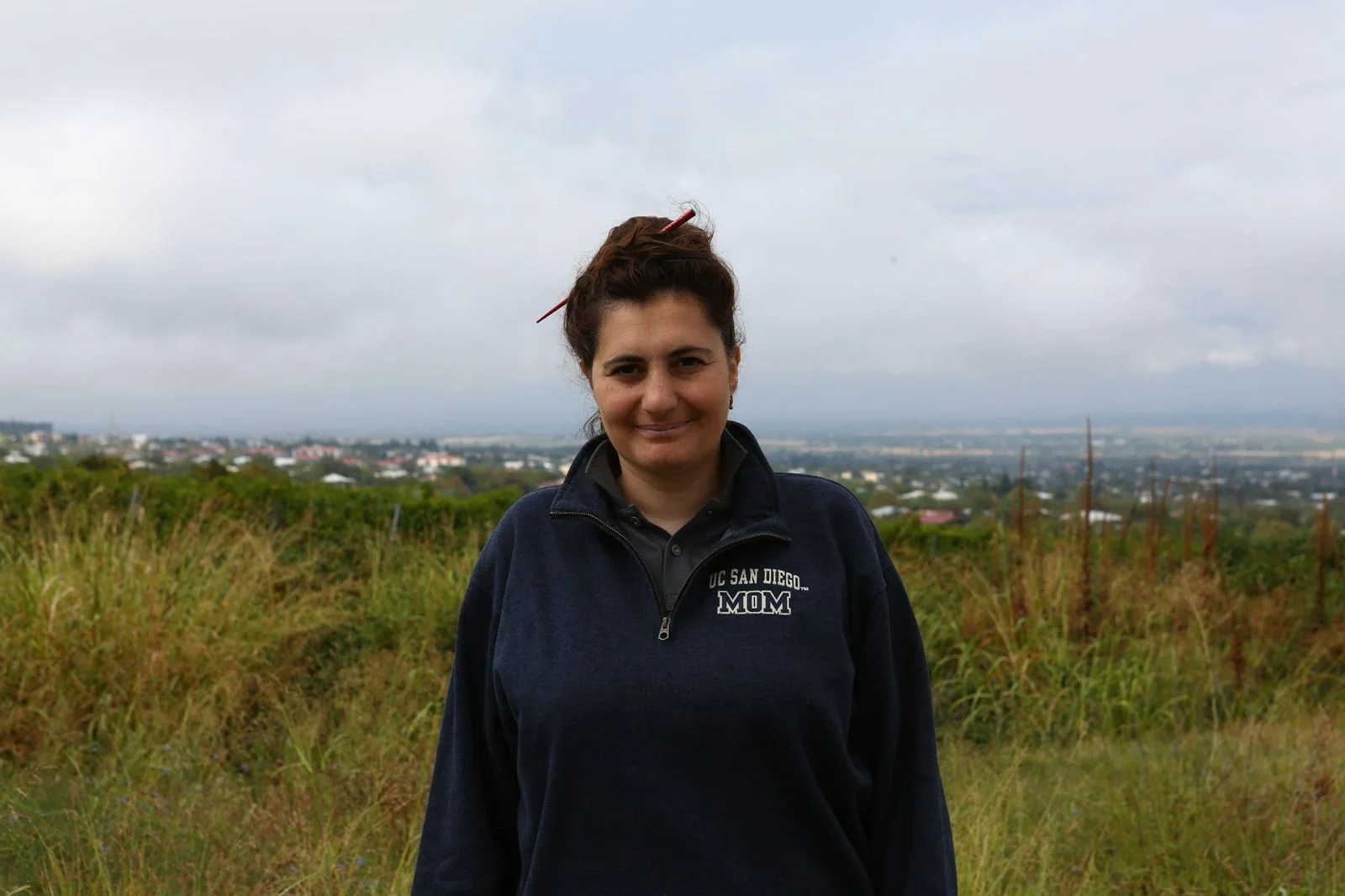
Mariam Palavandishvili / Photo from personal archive
Mariam: Georgia is home.
Question 2: Are you afraid of death?
Mariam: Thanks to my faith—not particularly. I don’t feel it’s the end. Rather, there is a sense of concern about how prepared I will be for the life to come when my time arrives.
Question 3: What reform in palliative care do you hope to see in the country in ten years’ time?
Mariam: I dream of a perfect home care system. I want someone to be able to dial a number and receive support instantly. Help must arrive swiftly: in palliative care, we do not have three months to wait for bureaucratic decisions.
Question 4: What do you dream of for yourself personally?
Mariam: I dream of a world with as little suffering, pain, and hunger as possible. I don’t have global ambitions—I am a happy person—but this dream of a world without torment is always with me.
Question 5: Who or what has most strongly shaped your understanding of compassion?
Mariam: Christianity itself. The Orthodox faith, built upon love and self-sacrifice.
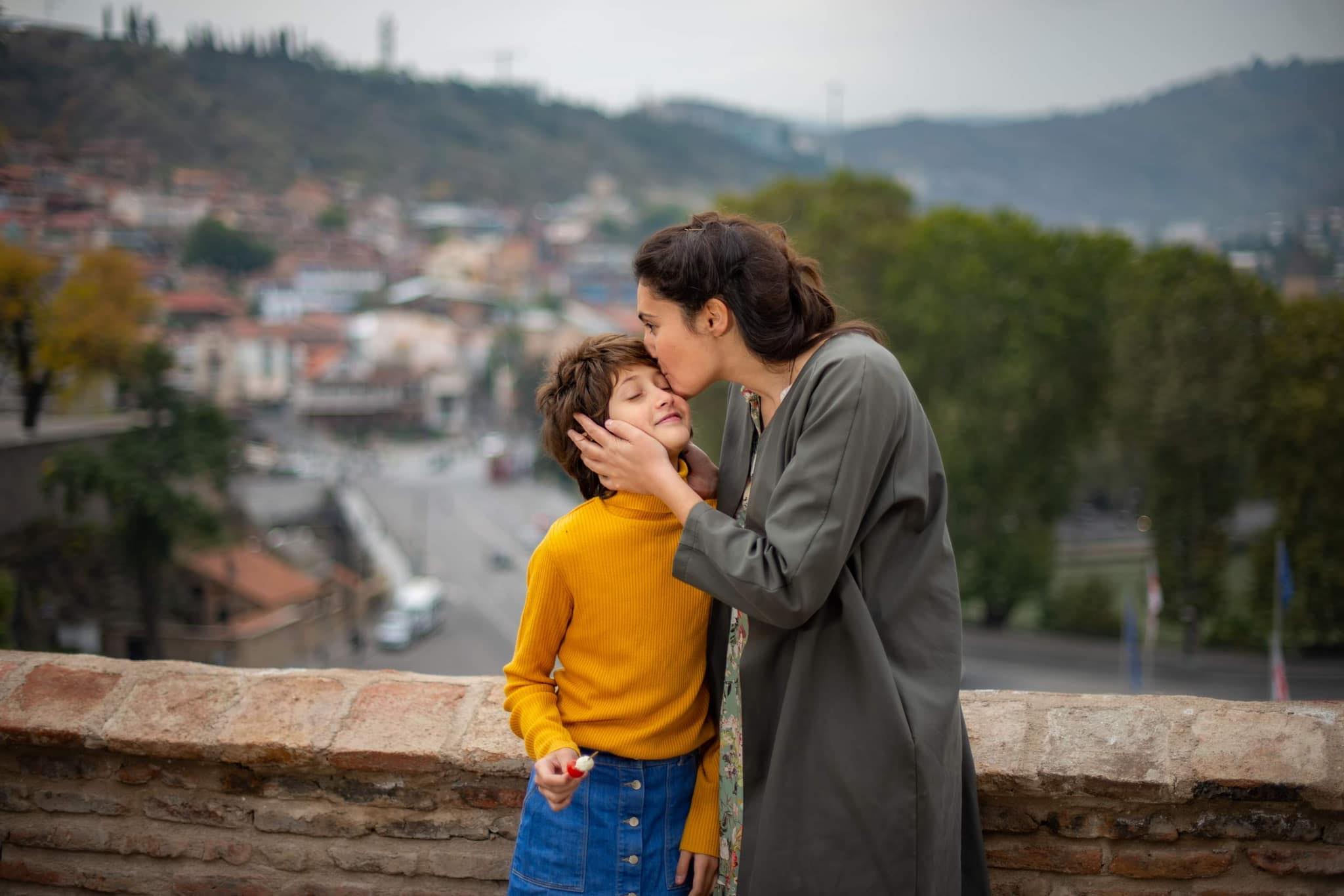
Mariam Palavandishvili with her daughter / Photo from personal archive


Leave a Reply