

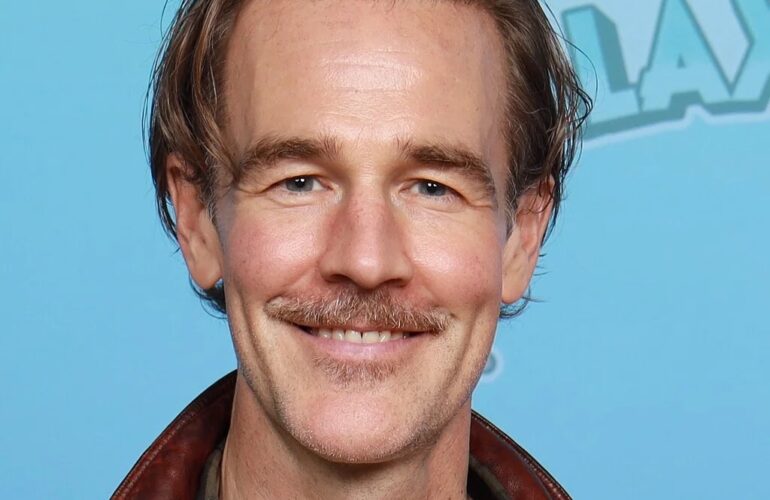
Stories about public figures rarely draw the attention of medical professionals. However, sometimes the lives of famous people can help society better understand complex issues—such as what dignified end-of-life care entails and why palliative care is vital.
It was not until 3 November 2024, over a year after his diagnosis, that the actor publicly revealedhis illness. Later, he explained that he decided to speak openly not only for himself but also for other patients—to raise awareness of the disease and remind people about the importance of regular screenings. Public disclosures by well-known figures are vital in medical communication. They motivate wider audiences to consult professionals and help prevent late cancer diagnoses.
Colorectal cancer often requires intense treatment: complex surgery, challenging post-operative recovery, and chemotherapy. Van Der Beek described treatment as ‘almost a full-time job’, emphasising the physical and emotional effort it demanded. The financial burden of medical care also imposed a significant strain on his family.
The actor persisted in battling the disease for two years.

Screenshot from James Van Der Beek Opens Up About Stage 3 Colon Cancer, TODAY with Craig Melvin, YouTube / © NBCUniversal Media, LLC
This phenomenon is well-documented in palliative psychology and is often referred to as existential re-evaluation. Social roles become less important, close relationships become more meaningful, and the present moment takes on greater significance.
Such changes are not signs of despair. On the contrary, they often indicate deep psychological adaptation. This is why palliative support is essential. It is necessary not only when treatment is no longer feasible, but from the moment a diagnosis is made—when a person is learning to live with it.
According to sources close to the family, in the final weeks of his life, the actor was no longer receiving active treatment. By that stage, all therapeutic options had been exhausted. His primary wishes were for peace and to spend time with his loved ones.
From a medical perspective, this does not constitute a refusal of care. Instead, it represents a shift in its purpose.


- reduce symptoms
- relieve pain
- support psychological well-being
- assist the family
- preserve the patient’s usual way of life as much as possible
In other words, palliative care is not focused on death. It is centred on life and its quality when facing serious illness.
Images: Andrei Lasc and Jun Ren / Unspalsh
This helps lessen the stigma linked to serious illnesses and death. In medical sociology, this is referred to as erasing stigmas through storytelling. In this way, public figures become sources of vital knowledge: everyone is required to exercise care, regardless of status.
The story of James Van Der Beek reminds us that serious illness is not a rare exception, but part of the human experience. That is precisely why society needs a sustainable system to support people during these vulnerable periods of life.


Leave a Reply