

This question has long intrigued me. Before working in palliative care, I spent more than fifteen years in philanthropy, where trust is never an abstract value. It shapes how teams work, how donors make decisions, how partners collaborate, and whether communities believe that institutions are acting in good faith.
Today, in my work with PACED — a UK charity that aims to strengthen palliative care education in regions where it is still developing — I find myself returning to the same question from a different angle: what role does trust play in the development of palliative care?
The question feels particularly timely. The 2026 Edelman Trust Barometer describes a world marked by grievance, polarisation and insularity — a growing reluctance to trust those who are different from us.
- insularity undermines trust;
- institutions are falling short as trust brokers;
- personal networks are filling the void left by institutional leaders;
- and trusted voices on social media can influence attitudes even where institutions cannot.

The atlases also use broader development indicators, including the Human Development Index, to understand national differences. That is useful, but it captures dimensions such as longevity, education and standard of living — variables that are relatively tangible and measurable.
For an initial comparison, I chose one relatively visible and comparable indicator: the number of specialised palliative care services per 100,000 population. I then compared it with a comparative trust measure: the Trust Index from the 2026 Edelman Trust Barometer. Of the 28 countries included in Edelman, only Canada and Indonesia had to be excluded because the relevant comparative data were not available in the corresponding atlases. This comparison does not capture palliative care development in its entirety. It looks at one important, but still partial, dimension of it: specialised service density.
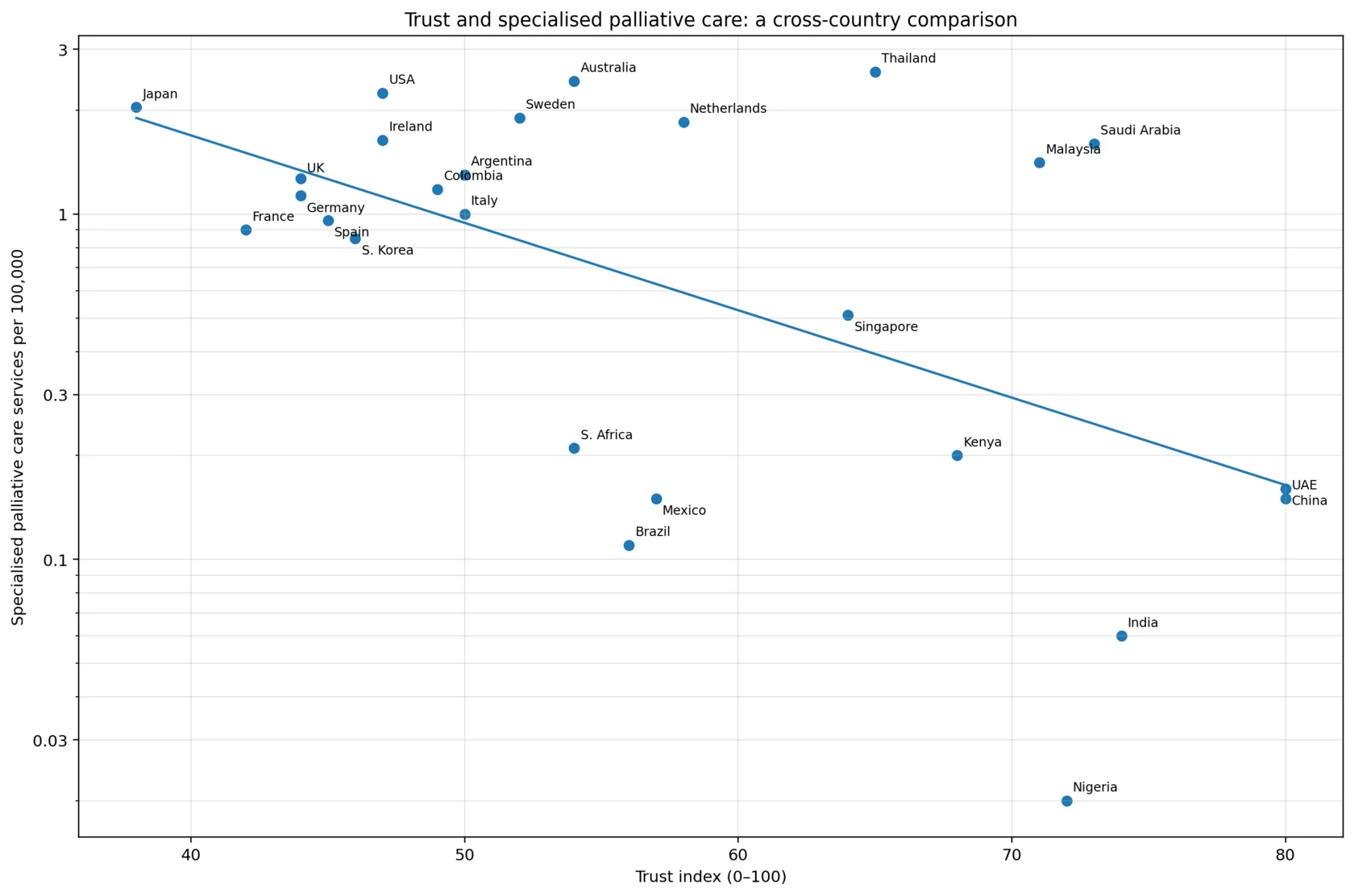
Figure 1. Trust and specialist palliative care: a cross-country comparison
In other words, the key analytical question is not whether trust correlates with palliative care overall, but which forms of trust matter for which dimensions of system development. Different dimensions of palliative care development are likely to depend on distinct trust relationships: trust in government, trust in expertise, trust in civil society, and trust across communities. It is also entirely possible that trust is less visible in service density than in other dimensions of palliative care development, such as policy uptake, public legitimacy, communication, or access to medicines.
A brief look at other trust datasets points in the same direction. The OECD survey, for example, captures trust in national government somewhat differently, and in this exploratory comparison, it does not produce exactly the same pattern as Edelman. But that divergence does not weaken the point; it sharpens it. It suggests that trust in government is not a single, fixed, or universally comparable variable, and that specialised service density may not be the aspect of palliative care development most directly shaped by state legitimacy and public policy.
Nor do the available trust datasets allow for a clean comparison across all countries where palliative care remains underdeveloped, including many where PACED works. The overlap between trust surveys and palliative care data is limited. But that does not make the question any less relevant. It simply means we should treat it as a serious analytical hypothesis, not as a finished causal claim.
If a simple service-based comparison does not yield a clear answer, the next step is not to abandon the question but to ask where trust may operate more meaningfully. There are at least four ways in which this may matter.
First, trust may shape whether palliative care becomes a recognised part of public policy rather than a marginal or charitable add-on. It is reasonable to ask whether low trust in government makes it harder to frame, fund and sustain palliative care as a normal function of the health system.
Second, trust may matter for community empowerment and the patient voice. For palliative care to work well, patients and families need more than services; they need to be heard, have access to information, and live in a culture where preferences can be discussed and respected. That kind of culture is difficult to build where trust is thin, public discourse is fractured, and people retreat into ever smaller circles of safety.
Fourth, trust may support the academic and professional legitimacy of palliative care. Research capacity, specialist education and professional recognition do not arise automatically. They depend on a broader environment in which expertise is valued and institutions are willing to invest in long-term capacity. Where trust in expertise is stronger, palliative care may find it easier to move from moral necessity to a recognised field of knowledge and practice.
There is another reason this matters.
This is particularly relevant in settings where palliative care is still evolving and where trust in institutions cannot be taken for granted. In such contexts, building palliative care is not only about creating services. It is also about building legitimacy: demonstrating that palliative care is not abandonment, not ‘less care’, and not only for the final hours of life, but a serious and humane response to suffering.
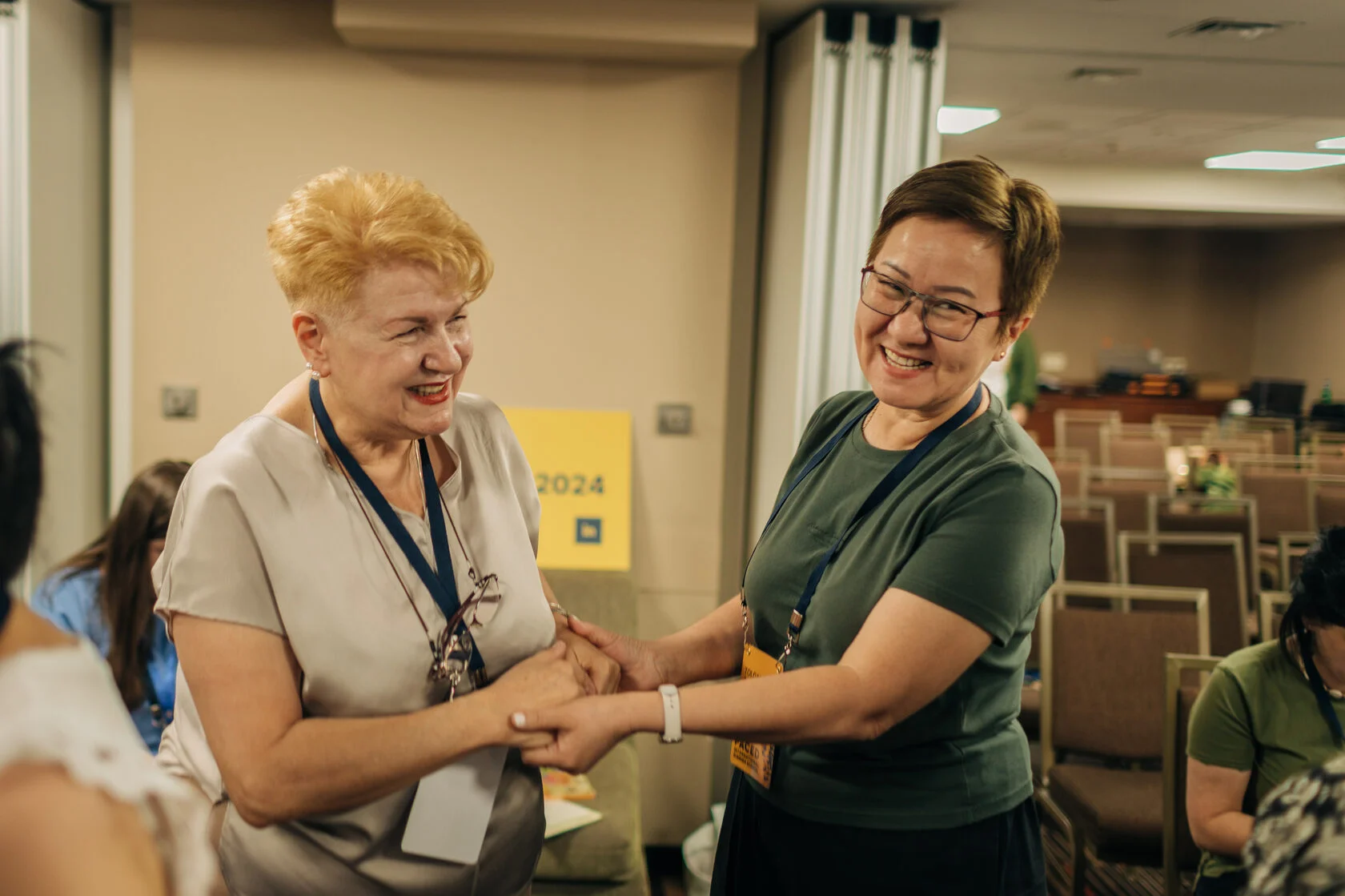
Specialists from Kazakhstan and Armenia during the PACED Summer School in Yerevan / PACED archive





Leave a Reply