

Uttarakhand is a hilly Himalayan state where many people live in remote terrains which are difficult to reach. Long distances with limited healthcare facilities make it challenging for patients to access pain and palliative care services. Strengthening palliative care services at peripheral hospitals can help patients receive timely symptom relief, supportive care, and better quality of life closer to their homes.
The ICMR has sanctioned a project aims to improve palliative care services in peripheral hospitals in North India. The project is led by Dr. Sushma Bhatnagar and Dr. Brajesh Kumar Ratre, with AIIMS New Delhi as the Chief Centre. AIIMS, Rishikesh and Cancer Research Institute, HIMS, Dehradun are the two nodal centres supporting the development and expansion of palliative care services in Uttarakhand.
Joint Capacity Building Training Programme
A four day joint capacity building training programme was conducted at both the nodal centre simultaneously to strengthen pain and palliative care services in peripheral hospitals located in the hilly regions of Uttarakhand. The programme included 13 peripheral hospitals linked with AIIMS Rishikesh and 12 peripheral hospitals linked with HIMS, Dehradun and total 52 health care workers were participated.
Dr. Sushma Bhatnagar conducted a teaching session for healthcare staff from 25 peripheral hospitals in Uttarakhand
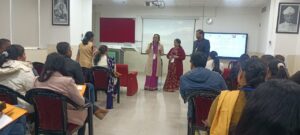
The training focused on enhancing the knowledge, clinical competencies, and practical skills of healthcare professionals involved in the care of patients with serious and life-limiting illnesses. It included pain and symptom management, safe use of opioid, communication with patients and families, psychosocial and spiritual care, nursing care, end-of-life care, and integration of palliative care into routine healthcare services.
The joint training model promoted interdisciplinary collaboration, networking between doctors and nursing officers and encouraged a coordinated, team-based approach to patient care. This Capacity building initiative is expected to facilitate the development of sustainable palliative care services at peripheral hospitals and improve access to comprehensive symptom management for patients living in challenging areas.
Reviewing Progress and Building Momentum
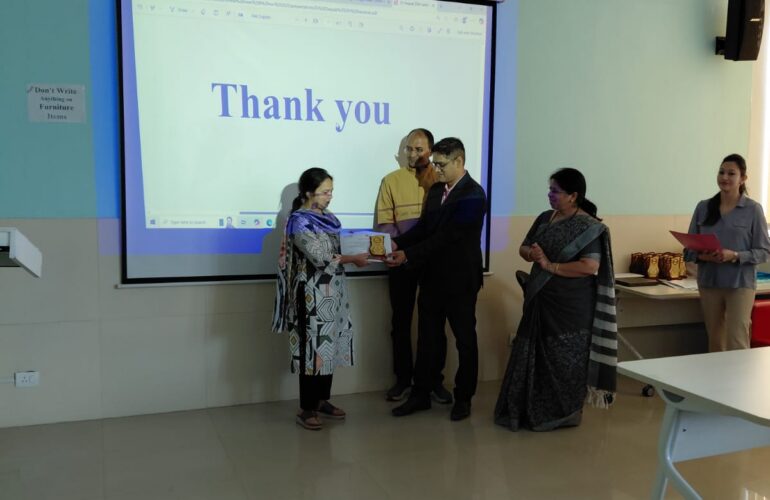
Approximately one year after completion of the joint palliative care training, a review meeting was conducted at AIIMS Rishikesh under the supervision of Dr. Sweety Gupta. Doctors and nursing officers from 13 peripheral hospitals participated along with representatives from the nodal centre and AIIMS New Delhi.
Distribution of certificates of appreciation to encourage the participants
All peripheral centres presented updates regarding the development of palliative care services at their centers and also discussed the challenges they face during implementation. The meeting provided an important platform to assess progress in integrating palliative care into routine clinical practice and to identify areas requiring further support. Participants also shared their experiences regarding the early impact of palliative care services on patient care and caregivers.
Representatives from AIIMS New Delhi presented planning process to outline activities for the subsequent year. The future strategy emphasizes continued engagement between peripheral hospitals, nodal centres, and the Chief Centre to support the implementation, monitoring, and long-term sustainability of palliative care services.
Sustained impact will depend not only on infrastructure and resources but also on motivated healthcare teams supported through continuous mentorship, peer learning, clinical guidance, and regular engagement with nodal and Chief Centre teams. The distribution of certificates of appreciation further recognized the commitment and efforts of participating healthcare professionals.
AIIMS Delhi, AIIMS Rishikesh and Peripheral Hospital Team in Uttarakhand
Peripheral Hospital Visits and Assessment
Out of the 25 peripheral hospitals associated with the two nodal centres, 19 hospitals were physically visited by chief nodal centre’s team which include Primary Health Centres (PHCs), Community Health Centres (CHCs), District Hospitals, and Tertiary-care Hospitals.
The visits focused on assessing the implementation of palliative care services, available resources, OPD, IPD services and access to essential analgesics for pain management. Morphine is available at five centres, while eight centres had initiated the procurement process for oral and injectable morphine. Tramadol is available at all visited peripheral hospitals. These observations demonstrate encouraging progress and team effort to develop palliative care services.
Conclusion
The initiative demonstrates meaningful progress in strengthening palliative care services across peripheral hospitals in the regions of Uttarakhand. Capacity building, interdisciplinary collaboration, improved availability of opioid analgesics, ongoing procurement initiatives, and continued mentorship represent important steps towards improving access to palliative care in remote settings.
Such collaborative initiatives have the potential to improve symptom control, reduce suffering, and enhance the quality of life of patients with serious and life-limiting illnesses, particularly those living in remote and difficult to access areas.
“Strengthening palliative care means bringing comfort, dignity, and hope closer to every patient.” “No patient should suffer needlessly when compassionate, evidence-based care can relieve pain and improve quality of life.”
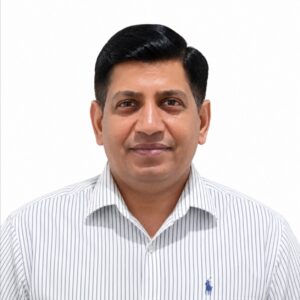
Dr. Suraj Pal Singh
Consultant (Non-Medical)
Department of Onco-Anaesthesia& Palliative Medicine
Dr. B.R.A. IRCH, All India Institute of Medical Sciences (AIIMS), New Delhi
Email ID: surajpal26@gmail.com
===================
ehospice is proud to help promote individual, local, national and international voices in Hospice & Palliative Care
We are on target to have over One Million page views this year.
To stay in touch with colleagues and news around the world subscribe to our free Newsletter


Leave a Reply