

Authors: M.S.T. Guruge, Melanie Hameluck, Rizwana Hussain, Two Worlds Cancer Collaboration.
Why this workshop mattered
Paediatric palliative care (PPC) is a vital component of comprehensive child health services. It aims to improve the quality of life of children living with life limiting or life-threatening conditions, and to support their families across the illness journey. In Sri Lanka, paediatric palliative care services are still at an early stage of development. Strengthening the capacity of health care professionals, particularly nurses, is therefore essential for sustainable service delivery.
The milestone event
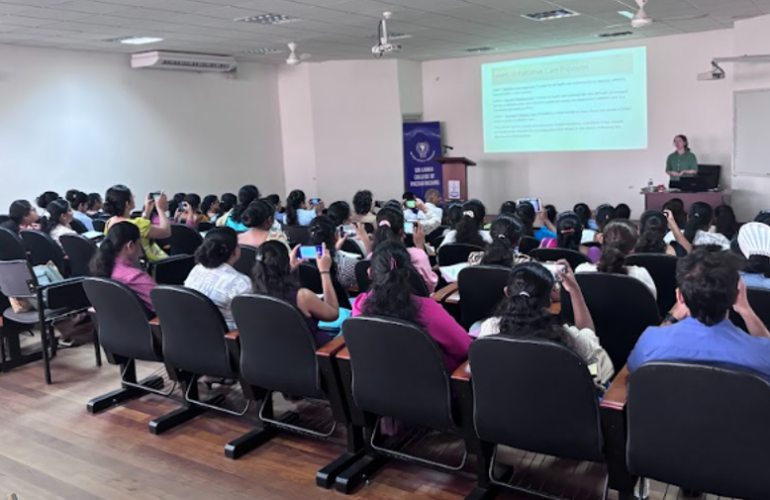
The first paediatric palliative care workshop specifically designed for nurses in Sri Lanka was successfully conducted on 23 and 24 December at the Faculty of Medical Sciences, University of Sri Jayewardenepura. This landmark programme represents an important step forward in strengthening paediatric palliative care services in the country.
Partnerships that made it possible
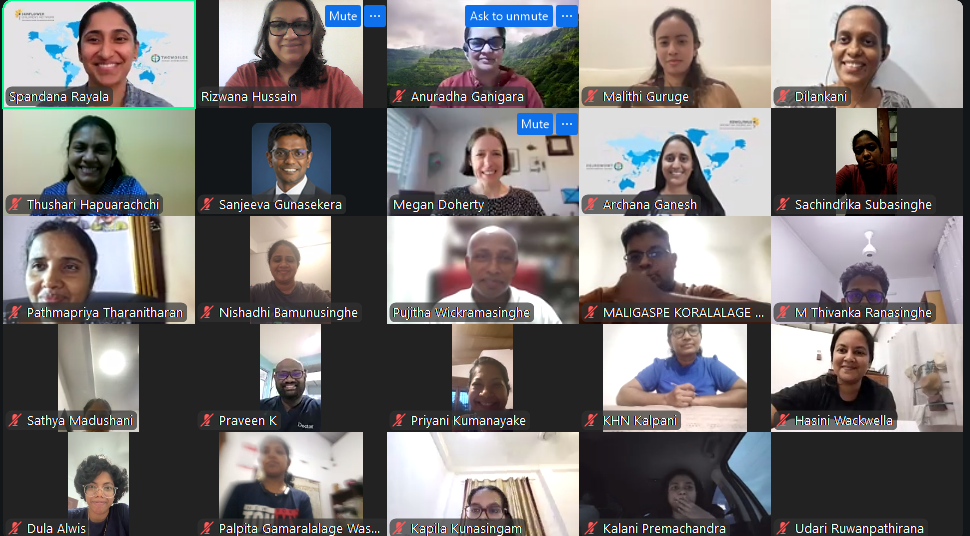
The workshop was organised in collaboration with the Sri Lanka College of Paediatricians, the Education, Training and Research Unit of the Ministry of Health, and Two Worlds Cancer Collaboration, demonstrating strong national and international partnerships. The event was further supported by the Department of Paediatrics, University of Sri Jayewardenepura, and the National Cancer Control Programme, whose contributions were central to successful delivery.
What the workshop set out to achieve
The workshop aimed to enhance nurses’ knowledge, skills, and confidence in delivering paediatric palliative care across diverse clinical settings. Key objectives included:
· Introducing core principles of paediatric palliative care
· Strengthening the role of nurses in holistic care
· Improving pain and symptom assessment and management
· Enhancing communication with children and families
· Building understanding of end-of-life care and ethical considerations
Who attended and why it was important
Approximately 80 nurses participated, representing a wide range of clinical backgrounds including palliative care units, oncology services, paediatric wards, and Public Health Nursing
Officers. Participants travelled from multiple districts such as Colombo, Gampaha, Kalutara, Ratnapura, Kandy, Kegalle, Galle, and Badulla, reflecting strong national engagement.
This diversity was particularly significant because paediatric palliative care is delivered across many settings, from tertiary hospitals to community and home-based services, highlighting the need for a coordinated continuum of care.
Faculty and resource people
Lead facilitator
The workshop was led by Ms Melanie Hameluck, a senior nurse specialising in paediatric palliative care and paediatric oncology, representing Two Worlds Cancer Collaboration. She brings extensive experience in paediatric palliative care education and has contributed to training initiatives in Nepal and India.
Local faculty support
The programme was further enriched by local faculty members, including Dr Jayathri Jahgoda, Prof Saraji Wijesekara, Dr M.S.T. Guruge, and Dr S A S S Dilankani, ensuring strong relevance to the Sri Lankan health care context.
How the learning was structured
Day 1: Building the foundation Day 1 focused on foundational aspects of paediatric palliative care, including:
· Introduction to PPC
· The role of nurses in PPC
· Pain assessment in children
· Role of nurses in symptom management
· End of life care
Sessions were interactive and concluded with case-based discussions and a question and answer segment, encouraging reflection on real clinical scenarios and peer learning.
Day 2: Practising the approach
Day 2 emphasised hands-on learning. Participants worked in small groups to evaluate children requiring palliative care, followed by group presentations. Faculty provided structured feedback, reinforcing key clinical, communication, and ethical principles through reflective discussion.
What changed for participants
Nurses play a pivotal role in paediatric palliative care, often supporting children and families during their most vulnerable moments. Participant feedback indicated:
· Increased awareness of paediatric palliative care principles
· Improved confidence in pain and symptom management
· Stronger communication skills when engaging with children and families
· Clear interest in further structured training
Participants also strongly recognised the importance of integrating palliative care principles early in the disease trajectory, rather than limiting care to end of life situations. Following a post workshop evaluation assessing knowledge gained, participants received certificates of completion.
Looking ahead
As the first paediatric palliative care workshop for nurses in Sri Lanka, this programme marks a significant milestone in the country’s PPC development. Continued collaboration among professional bodies, expansion of structured training for nurses, and supportive national policies will be essential to ensure equitable, compassionate, and high-quality palliative care for all children with limiting life conditions and their families.




Leave a Reply