


Paediatric Palliative Care (PPC) in Sri Lanka remains in its early stages of development, despite a significant and growing need. An estimated 34,000 children in the country are living with life-limiting or life-threatening conditions such as cancer, congenital anomalies, and severe neurological disorders. Yet, less than 1% of these children have access to specialised PPC services. This stark gap underscores the urgent need to expand and integrate palliative care into the broader paediatric healthcare system.
The National Cancer Institute Sri Lanka (NCISL)—the country’s only dedicated paediatric oncology centre—registers approximately 1,200 new paediatric cancer cases each year. However, fewer than 5% of these patients are referred to palliative care, highlighting a disconnect between clinical need and service availability. In response, NCISL has taken the lead since 2021 in establishing structured paediatric palliative care (PPC) services, making significant progress toward a multidisciplinary, patient-centred model of care.
The Palliative Care Unit at NCISL operates through a dedicated interdisciplinary team comprising consultant oncologists, consultant anaesthetists with a specialised pain management team, a consultant psychiatrist, a consultant clinical nutritionist and team, as well as nurses, pharmacists, physiotherapists, speech therapists, and social service officers. Despite resource constraints, the team provides comprehensive, patient-centred care to both adult and paediatric patients through a structured, referral-based system.

Palliative care services at NCISL are delivered through daily inpatient ward rounds focused on symptom management and supportive care, despite the absence of a dedicated palliative care ward. Outpatient services run seven days a week—including weekends and public holidays—ensuring continuous support for patients and their families. A multidisciplinary team clinic, held every Tuesday, facilitates collaborative care planning for complex cases. In addition, a daily hotline (available from 7:00 a.m. to 5:00 p.m.) provides patients and caregivers with timely access to clinical advice and emotional support.
NCISL emphasises holistic, evidence-based care in its palliative care approach. Each patient and caregiver undergoes a structured assessment using standardised tools, which informs the development of individualised management plans. Pharmacological pain control remains a cornerstone of service delivery, with free access to essential medications such as immediate-release and sustained-release morphine, fentanyl patches, and injectable opioids. Complementing this, the unit integrates non-pharmacological interventions—including art and music therapy, as well as relaxation techniques—to help alleviate anxiety, pain, and emotional distress.

The unit also addresses the psychosocial, spiritual, and practical needs of patients and families. Collaborations with NGOs help organise stress-relief sessions, fulfil terminal patients’ final wishes, and celebrate important milestones such as birthdays. Support services include free transport provided by partner foundations, access to home-based equipment such as oxygen concentrators and wheelchairs, and the facilitation of home care through Public Health Nursing Officers (PHNOs). The use of a Shared Care Record Book ensures coordinated, community-based care in collaboration with peripheral oncology units. Family meetings, advance care planning, funeral arrangements, and bereavement support further reflect the unit’s commitment to holistic, compassionate care.

In addition to its clinical responsibilities, the Palliative Care Unit at NCISL plays a vital role in professional education and capacity building. It serves as the primary training hub for the Postgraduate Diploma in Palliative Medicine for medical officers, as well as the Diploma in Palliative Nursing. The unit also provides clinical training for medical, nursing, and allied health undergraduate students from several government universities in the Western Province of Sri Lanka.
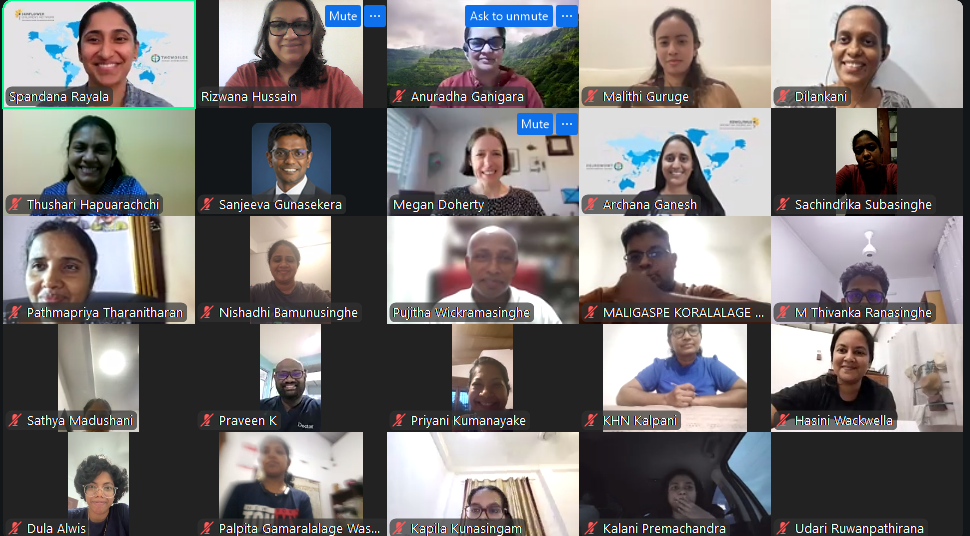
Ongoing capacity-building efforts include structured in-service training programmes, international partnerships, and collaborative projects aimed at strengthening paediatric palliative care. Notably, the unit is actively involved in initiatives such as the Hopeful Hearts Project 2024 and the Hopeful Comfort Project 2025, both conducted under the Children’s Palliative Care Leadership Programme of the Two Worlds Cancer Collaboration. These projects focus on advocacy, workforce development, and service enhancement—with a particular emphasis on managing procedural pain in children.
A landmark Paediatric Palliative Care Workshop held in June 2025 featured international experts Dr Megan Doherty and Dr Gayatri Palat. The workshop equipped local healthcare professionals with essential skills in communication, pain management, and end-of-life care. Following the event, a high-level advocacy meeting with the Ministry of Health and other national stakeholders highlighted the need to expand paediatric palliative care beyond oncology settings and into community-based services.

In conclusion, Sri Lanka has made significant progress in advancing paediatric palliative care, with NCISL leading the way through its multidisciplinary, patient-centred model. However, key challenges remain—particularly the need to expand service coverage, introduce specialist (MD-level) training, and integrate palliative care across all paediatric healthcare settings. Strengthening these areas is essential to building a more inclusive, equitable, and compassionate healthcare system for children across the country.





Leave a Reply