

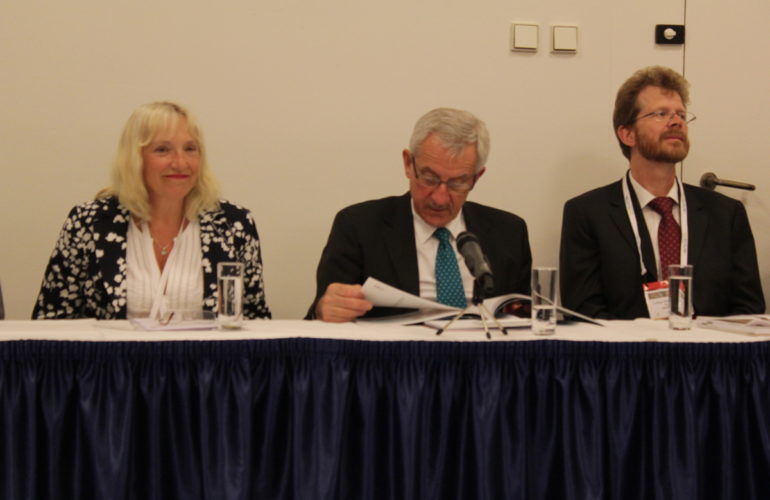
Researchers from an EAPC Task Force led by Professor Carlos Centeno at University of Navarra (Spain) and Professor David Clark at the University of Glasgow (UK), coordinated this international study.
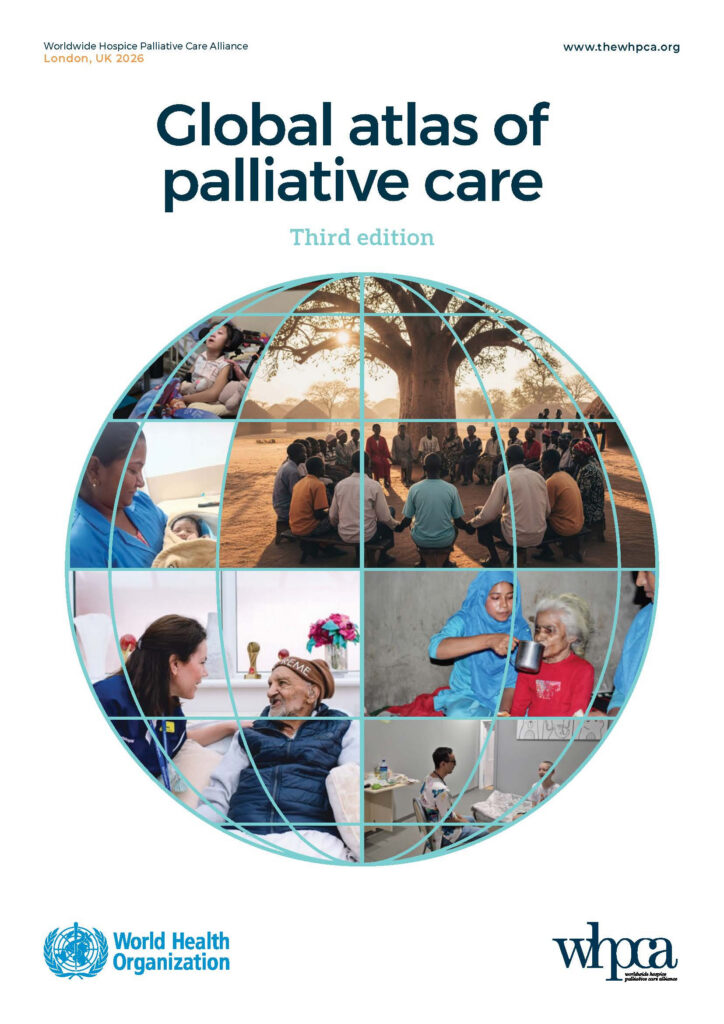
The Atlas is a key tool to promote policies and good practices across Europe and to assist the strategic development of new services. It offers a global vision of the services, policies and strategies aimed at improving the end of life attention provided in the 53 countries that make up the European Region of the World Health Organization (WHO).
The information presented in the maps suggests that there is a relationship between the establishment of palliative care programmes and the Human Development Index (HDI) or other indicators related to national expenditure on health. The Atlas also contains detailed reports on palliative care in each country that is based on information updated in 2012.
The highest concentration of palliative care units can be found in Ireland, Iceland and Belgium, with almost 18-20 units per million inhabitants. We can find the United Kingdom, Sweden, Netherlands, Poland and Austria in a second group of countries with 12-16 units per million. A total of 23 services were identified in Czech Republic were the density of services is still low.
According to the data obtained, the availability of palliative care has improved in Eastern Europe over the last five years despite the relatively poor living standards in this part of the continent. The republic of Moldova, Romania and Poland are areas that can be considered to have reached a noteworthy level of palliative care development.
Among the other findings of this research, it was significant that 14 countries have accepted Palliative Medicine to be considered as a speciality or sub-speciality, recently in most cases, and mostly in Western Europe but also in Central European countries like Poland, Slovakia or the Czech Republic. In addition, the availability of palliative care units for children is on the increase, which are being established throughout Europe. In the majority of European countries, there is a lot of activity in the field of palliative care as a whole (as measured by the number of associations, specialist journals, directories, the attendance of meetings and congresses, etc.).
Among the other more significant novelties is that palliative care training has been incorporated into medical faculties of a dozen or so countries (Switzerland, Norway, France, Austria, Belgium, Hungary, etc.). As such, in the future all physicians will receive basic training in palliative care for advanced and terminal stages of illness, emphasizes Doctor Centeno, director of the ATLANTES Research Programme at the Institute of Culture and Society of the University of Navarre, where the study was coordinated.
The Atlas can be downloaded either as a full edition, or a cartographic edition.
The Atlas is also available in the platforms Apple Store and Google Play through the application “icsATLANTES” (It is searchable by the word ATLAS or ATLANTES in capitals letters).


Leave a Reply