


According to WHO estimates, over 56 million people worldwide require palliative care each year. About 78% of them live in low- and middle-income countries where access is limited. Expanding these services is crucial to bridging this gap and making support systems more accessible.
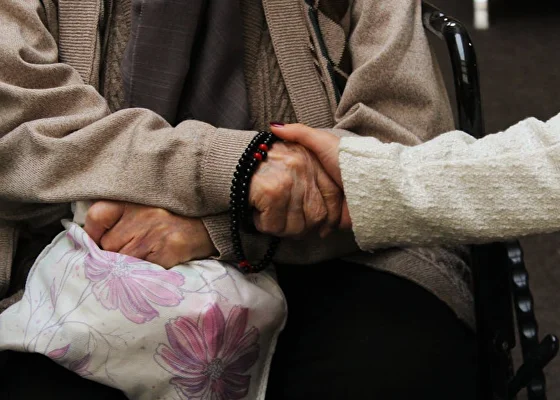
Photo by Ayşenaz Bilgin on Pexels
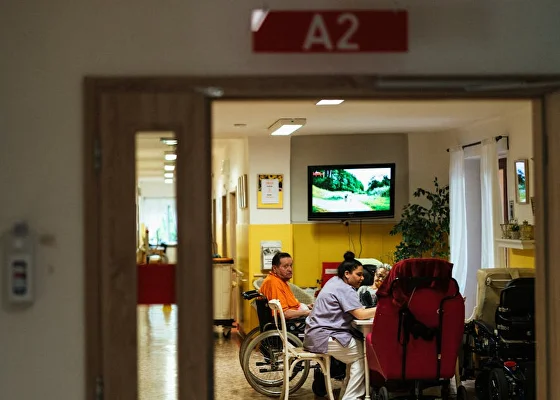
Research confirms that these teams enhance care coordination and patient satisfaction while optimising healthcare resources.
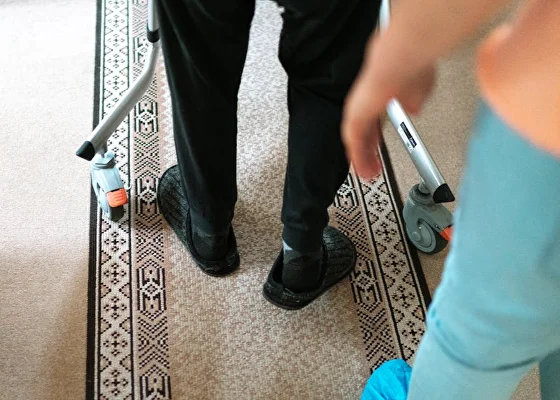
Photo by Jsme MILA on Pexels
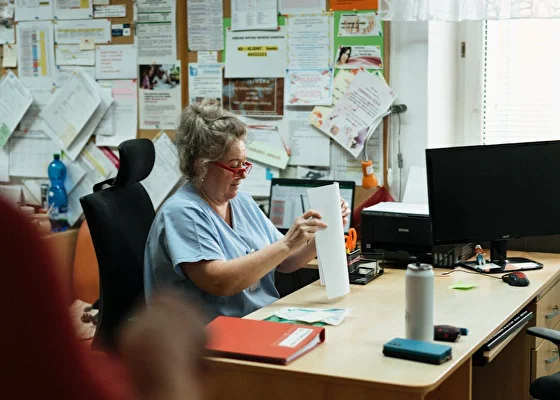
In many countries, palliative services function as centres for educational initiatives. Healthcare workers develop vital skills relevant across all fields of medicine: patient communication, interdisciplinary collaboration, and shared decision-making in complex clinical situations.
Research indicates that these educational programmes are essential for providing integrated and consistent care.
These changes indicate a deeper societal shift than they may first seem. Open discussion about death is not just about overcoming fear; it’s about recognising human autonomy and the right to be involved in decisions regarding one’s own life.
Global initiatives like the Death Cafe movement promote these conversations by offering spaces to discuss fears and expectations. Mass culture is also evolving; the focus of modern medical dramas shifts from clinical secrecy towards the doctor-patient relationship—a trend we examined in our review of the series The Pitt.
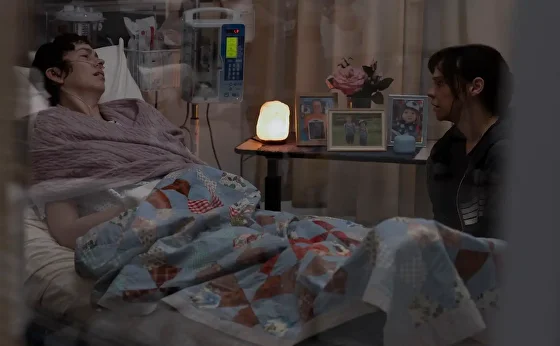
Roxie and Dr. McKay on The Pitt S2 (Photograph by Warrick Page/HBO Max)


Leave a Reply