

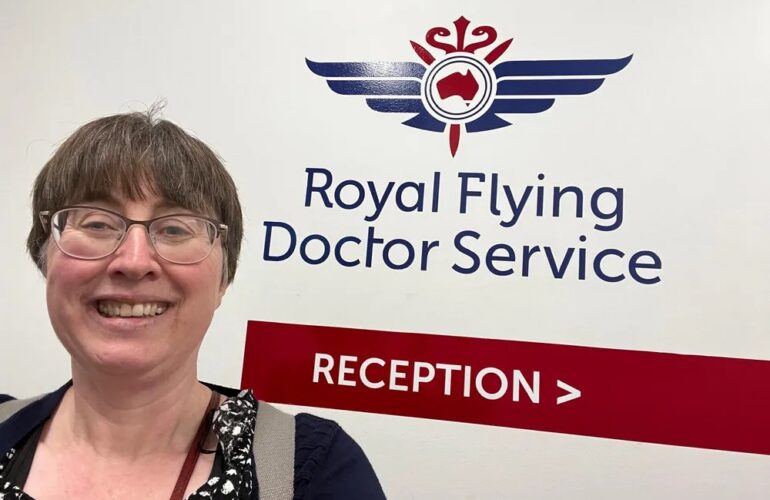
I visited Australia and Alaska, both places considered international exemplars in the delivery of care to remote communities. I spent six weeks visiting health services, travelling with doctors to remote communities, and talking to patients, clinicians, administrators, and healthcare leaders.
I expected to return with a list of exciting technologies that the UK should adopt, but instead, I came home having learnt something rather different.
The technology that worked so well was often simple consumer-grade tech. And wherever technology worked really well, healthcare workers in rural communities were still there, making it work.
I came away with three main lessons for how we should think about technology in rural healthcare.
1. Keep the tech simple
Some of the most memorable innovations weren’t digital at all.
At rural Australian airports, secure key safes solved the very practical problem of how an incoming doctor could access a vehicle when nobody was there to meet them. In Iliamna, Alaska, an ambulance garage built directly into the health centre meant patients, staff, and equipment could move inside without being exposed to extreme weather.
When it came to delivering high-quality telehealth, some of the most useful equipment was ordinary consumer technology: iPads, webcams, and inexpensive external speakers. I encountered sophisticated telemedicine equipment too. But staff described expensive equipment becoming broken, lost, or simply abandoned because it was difficult to use or maintain. Familiar technology was often more resilient precisely because people knew how to use it and replacements were readily available.
Innovation does not have to mean sophistication.
“I learned that technology can only augment – not replace – the humans working in healthcare.”
2. Technology works best alongside local health workers, not as substitutes for them
I had expected telehealth to mean clinicians consulting directly with patients in their homes. Instead, patients commonly attended local health centres, where a nurse, health aide, or outreach worker helped them.
Those people did much more than switch on the computer. They examined patients, took observations, helped explain what was happening, bridged language or digital literacy gaps and provided the remote clinician with the local knowledge and clinical information they needed to make safe decisions. These people made the telehealth possible.
In Alaska, Community Health Aides have been doing this for decades. They live and work in remote communities but are connected to clinicians elsewhere through relatively straightforward technology and clear clinical systems.
In Robinvale in Australia, remotely located GPs could provide care because trusted nurses remained with the patient locally.
Technology can extend the reach of skilled healthcare professionals, but it cannot replace the relationships, examination, reassurance, and contextual understanding provided by somebody who is there.
3. Design the system around the technology — don’t just buy the technology
The successful services I visited did not treat virtual care as an app or a piece of equipment bolted onto the existing system.
The technology was integrated into the wider system, rather than treated as a separate add-on. Local and remote clinicians trusted each other. Training and protocols were in place. Records were shared. Technical support was available. Communities had been involved in designing services.
Australia’s virtual emergency services showed how remote clinicians could work alongside local nurses, ambulance services, retrieval services, and hospitals as part of one pathway. In Alaska’s tribal health system, local health aides, remote clinicians, pharmacy services and technology operated as interconnected parts of the same system.

Next steps
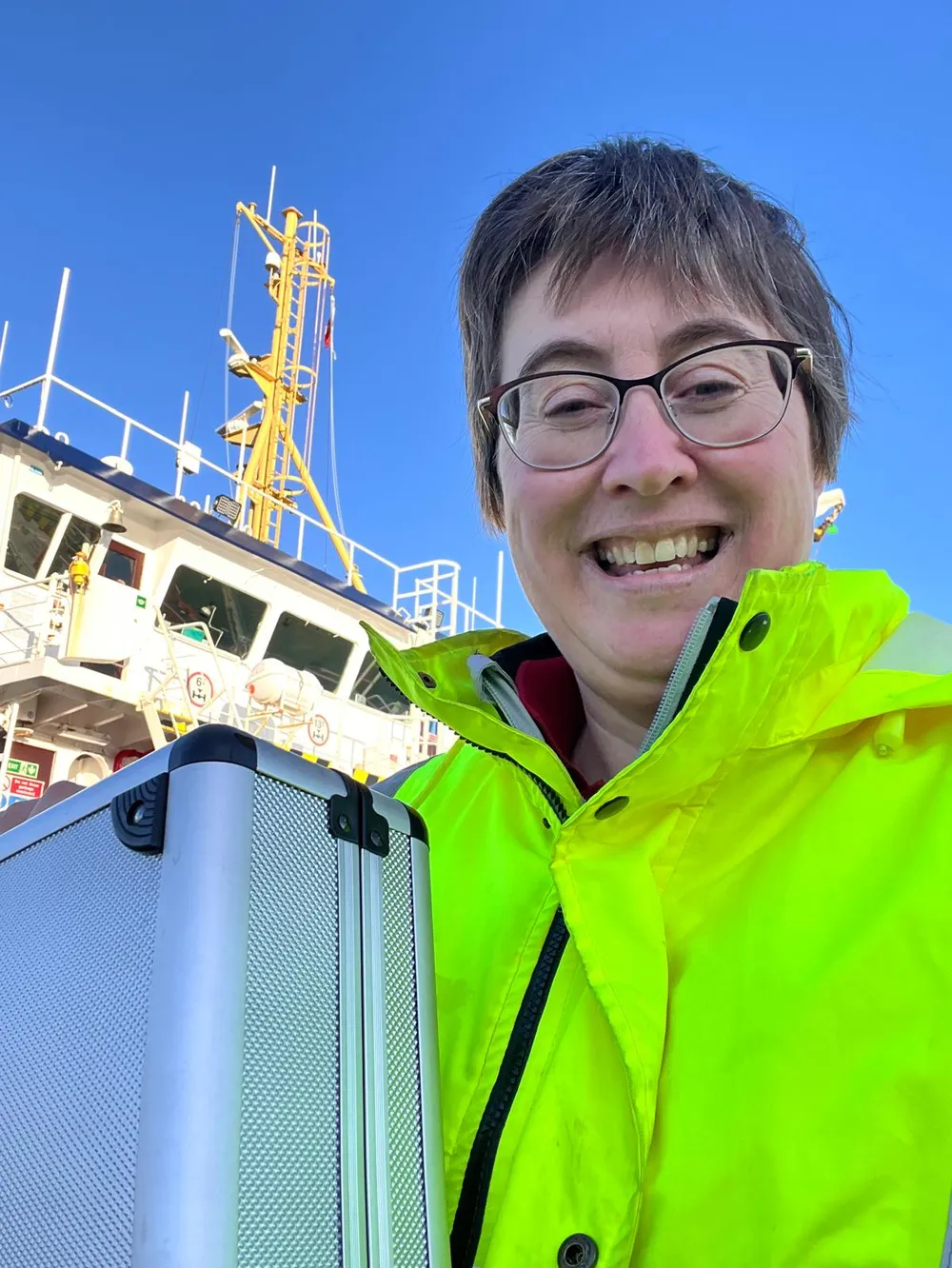
Since returning to the UK, I have been sharing these findings with rural health networks, NHS leaders, clinicians, and policymakers. I want us to think differently about what technological innovation in rural healthcare looks like.
We should certainly invest in good connectivity and digital infrastructure. But we should also invest in professionals embedded within rural communities. We need to pay attention to mundane things such as buildings, transport, keys, and reliable equipment. And most importantly, we should design services with the communities and staff who will actually use them.
I travelled to Australia and Alaska expecting to learn about technology. I did, but I learned that technology can only augment – not replace – the humans working in healthcare.
Dr Rebecca Payne
Email address: rebecca.payne@bangor.ac.uk
Website: Dr Rebecca Elizabeth Payne | North Wales Medical School | Bangor University
———————
DISCLAIMER
The views and opinions expressed by any Fellow are those of the Fellow and not of the Churchill Fellowship or its partners, which have no responsibility or liability for any part of them.
——————
This article was first published on the Churchill Fellowship Website and is republished here with permission.
==================
ehospice is proud to help promote individual, local, national and international voices in Hospice & Palliative Care
We are on target to have over One Million page views this year.
To stay in touch with colleagues and news around the world subscribe to our free Newsletter


Leave a Reply