

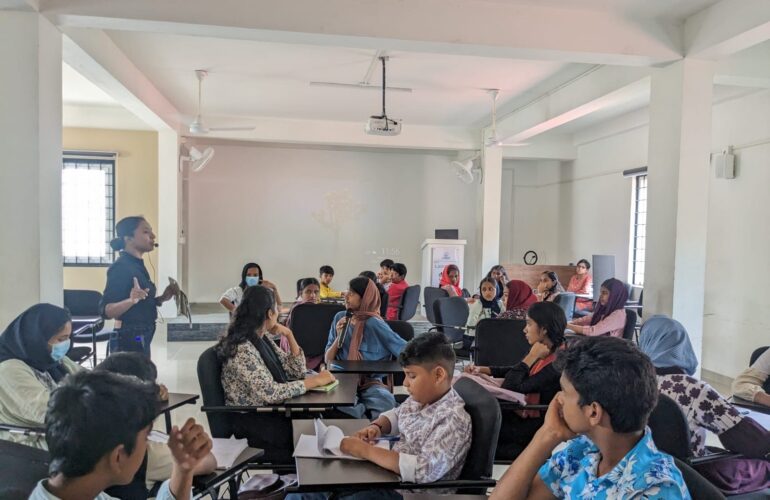
By Dr. N M Mujeeb Rahman. In an era where aging populations and chronic illnesses are on the rise, integrating caregiver training into school curriculums can be a transformative step toward building compassionate, resilient communities. By equipping young students with basic caregiving skills and fostering empathy, we prepare them to support their loved ones while also nurturing a society that values care, dignity, and social responsibility.
Caregiving is often seen as the responsibility of families, healthcare professionals, or social workers, but in reality, it is a universal need.
Whether it is assisting an aging grandparent, supporting a friend with a disability, or providing comfort to someone in distress, caregiving skills are invaluable in everyday life.
By introducing structured training in schools, we can instill these skills early, ensuring that the next generation grows up with a deep understanding of elder care, palliative care, and disability support.
Early exposure to caregiving offers multiple benefits. Students develop empathy, communication skills, and the ability to navigate emotional and physical challenges with patience and resilience. Learning practical skills—such as basic first aid, assisting individuals with mobility issues, and providing emotional support—helps them feel confident and capable in real-life situations. Moreover, this education benefits families, as young people can contribute meaningfully to caregiving at home, reducing the burden on overworked parents and caregivers.
Globally, countries are recognizing the importance of caregiving education. In Japan, for instance, high school students participate in elder care programs as part of their curriculum. Similarly, in some European nations, schools incorporate social care training to promote intergenerational bonding and societal well-being. India, with its strong family values and growing elderly population, could greatly benefit from a similar approach.
Here in Kerala, although caregiver training is not yet a formal part of the school curriculum, we actively engage students from both schools and colleges as community volunteers after proper awareness and training.

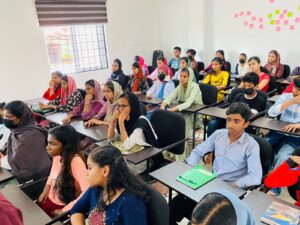
Through structured programs in community-based palliative care initiatives, young people gain firsthand experience in caregiving, home visits, and patient support. This model has successfully fostered a culture of empathy and service, proving that with the right guidance, students can play a meaningful role in community health and well-being.
Beyond practical benefits, integrating caregiving education in schools fosters a cultural shift. It normalizes discussions around aging, disability, and terminal illnesses, reducing stigma and encouraging a mindset of inclusion and support.
Students who learn to care for others grow into adults who prioritize community well-being, making them more compassionate neighbors, colleagues, and citizens.
As we move toward a future where caregiving needs will only increase, it is crucial to prepare young people with the necessary skills and mindset. Policymakers, educators, and community leaders must advocate for caregiver training in school curriculums, recognizing its potential to shape a kinder, more supportive society. By investing in caregiving education today, we are ensuring that future generations are ready to care for each other with dignity and respect.“
——————–
Dr. N M Mujeeb Rahman is the General Secretary of the Palliative Care Society, Valanchery, Kerala, India. He is a consultant surgeon and a voluntary palliative care physician. He is also the co-founder of the Global Palliative Doctors Network, an initiative that connects around 450 doctors from 37 countries.




Leave a Reply