

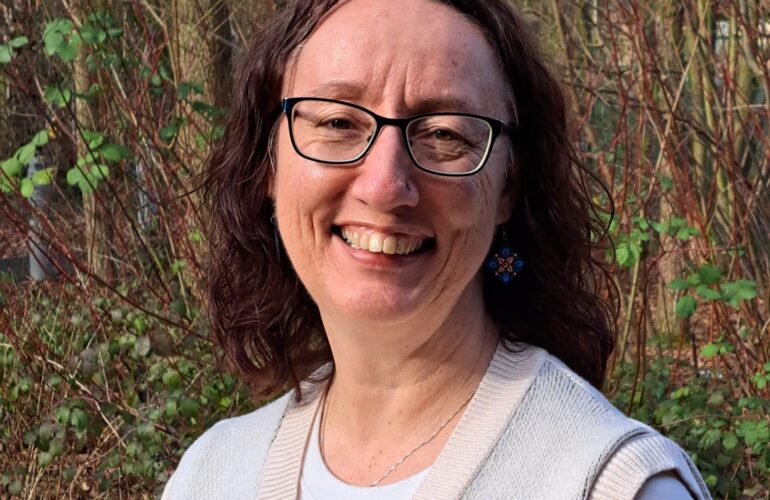
By Mandy Thorpe, Practice Educator at Martin House Children’s Hospice : Medical advances have changed what is possible for babies, children and young people with life-shortening conditions. More are surviving infancy, living through childhood and reaching adolescence or adulthood.
That progress should be celebrated. But many children require complex care over several years, involving specialist equipment, multiple medications and support from a range of professionals.
It raises an important question: has healthcare education kept pace with the changing needs of the children we care for?
A changing national picture
According to the Martin House Research Centre at the University of York, the number of children and young people in England with life-shortening conditions rose by 163% between 2001/02 (32,975) and 2017/18 (86,625). Prevalence increased from 26.7 to 66.4 children per 10,000, with more than 95,000 projected to be living with these conditions by 2030.
Better diagnosis and recording may explain part of that rise, but advances in medicine and technology are also enabling children to live for longer.
The increase has been particularly marked in Yorkshire and the Humber and the North West, while prevalence remains higher in more deprived communities. The latest ONS figures found that infant mortality in England’s most deprived communities was more than twice the rate in the least deprived. Although mortality figures do not directly measure demand for palliative care, they underline the importance of planning services and education around the needs of different communities.
This changing picture has implications far beyond specialist services. As more children live longer with complex conditions, a wider range of healthcare professionals will be involved in their care. Paediatric palliative care can no longer be treated as knowledge needed only by hospice specialists.
Training must evolve alongside care
The professionals who attend our courses are skilled and compassionate. What many have lacked is the opportunity to build their understanding of children’s palliative care before they need it in practice.
Palliative care is not consistently embedded in undergraduate medical and nursing education. Some professionals can therefore enter the workforce with limited exposure to an area that may later become important to their role.
Workforce development must begin during initial training and continue through induction, professional development and lifelong learning.
Not every doctor, nurse or therapist needs to become a paediatric palliative care specialist. But they do need enough understanding to recognise when palliative care may help, grasp its principles and know when to seek specialist support.
Textbook knowledge matters, but it cannot fully prepare someone for a complex clinical situation. Professionals also need opportunities to apply what they know and understand what good care looks like when a child cannot be cured.
Rethinking simulation
Simulation has long been used in healthcare education. Traditionally, many scenarios focus on recognising deterioration, intervening quickly and successfully resuscitating the patient.
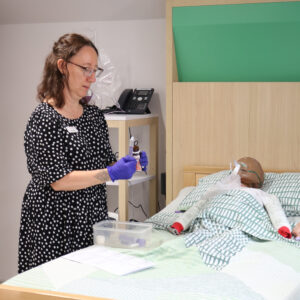
Those skills are essential, but they do not represent every situation a professional will encounter.
In paediatric palliative care, the best outcome is not always preventing a child from dying. It may be recognising that further invasive treatment will not benefit them, managing symptoms, following an agreed care plan and keeping them comfortable.
That means we also need simulations in which the mannequin dies.
Death in a training scenario should not automatically represent failure. It can help professionals explore what excellent care looks like when the focus changes from cure to comfort.
Simulation allows teams to rehearse rare but significant situations without placing a child or family at risk. It can develop clinical judgement, teamwork and decision-making, while helping participants understand their role and the support around them.
Martin House has developed specialist simulation courses covering areas of paediatric palliative care not commonly included in traditional training. Our new Education Centre will allow us to expand that work and share our experience more widely.
Education must be part of the response
Children’s palliative care services need the right facilities, specialist teams and resources to meet increasing demand. But they cannot work in isolation.
Education must form part of the national response. As children live longer with increasingly complex conditions, the wider workforce needs the knowledge and confidence to support them.
Ultimately, as health professionals, we only have one chance to ensure a child or young person has good palliative care at the end of their life.
Preparing the workforce does not mean turning every professional into a hospice specialist. It means ensuring that, when they meet a child with palliative care needs, they feel equipped to respond well and know where to find support.
Medicine has advanced. Our education must advance with it.
On Tuesday 15 September, Martin House is hosting its inaugural conference dedicated to paediatric palliative care. For more information and ticket details, visit: https://www.eventbrite.co.uk/e/martin-house-childrens-hospice-conference-2026-inspiring-excellence-tickets-1994228719784?aff=oddtdtcreator&keep_tld=true
For further information about Martin House Children’s Hospice and how to support it, visit: https://www.martinhouse.org.uk/
Mandy Thorpe
——————
References:
———————
About Martin House Children’s Hospice:
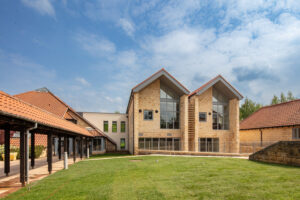
Martin House has been providing family-led specialist palliative care and support for children and young people with life-shortening conditions since 1987 (life-shortening means the child or young person is not expected to live beyond young adulthood). We provide 24/7 care and support 365 days a year.
Every year we support over 550 children and young people, and their families, plus around 200 bereaved family members across West, North and East Yorkshire, at our hospice, in hospitals and in families’ own homes.
The hospice, based in Boston Spa, has nine bedrooms in our children’s wing, and six in our teenage wing, which cares for teenagers and young people. Our services include specialist planned short breaks, symptom management, emergency care, community care and end-of-life care. Our facilities include a hydrotherapy pool, wellbeing centre and an education centre, providing children’s palliative care training to healthcare professionals.
Bereavement support is offered to families who have used Martin House, as well as to families whose child had a life-shortening condition but did not have the opportunity to use the hospice, or following a sudden death.
Martin House’s medical team includes three consultants in paediatric palliative medicine and also hosts two places to train future consultants. We are one of only around seven training centres in the UK.
There is no cost to any of the families using our services. It costs £13 million a year to provide this care, the majority of which comes from voluntary donations and fundraising.
Registered Charity Number 517919




Leave a Reply