

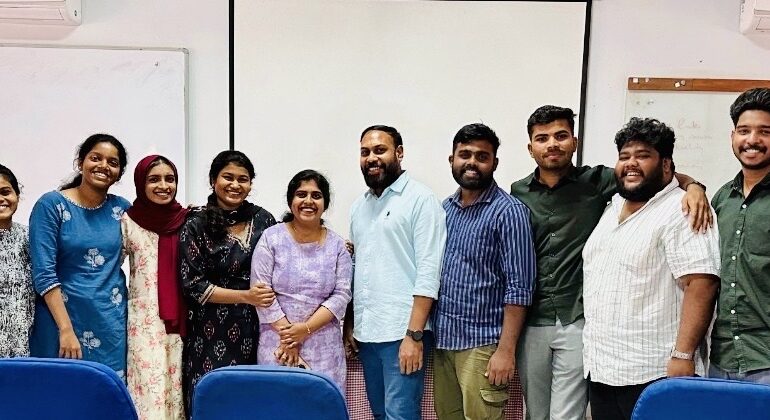
In healthcare, some partnerships are so unexpected that they invite us to pause and reconsider long-held assumptions. The collaboration between Aster MIMS and the Institute of Palliative Medicine (IPM) in Calicut, Kerala, is one such example.
Aster MIMS (Malabar Institute of Medical Sciences), part of the Aster DM Healthcare network, is a globally recognised, NABH-accredited multi-specialty and super-specialty private hospital, known for advanced medical technology and centres of excellence in cardiology, oncology, orthopaedics, and other specialties. The Institute of Palliative Medicine (IPM), on the other hand, is a global pioneer in community-based palliative care and a WHO Collaborating Centre, grounded in the belief that relief from suffering and a dignified life—and death—are fundamental human rights. IPM focuses on free, accessible home-based care, education, research, and strong community participation.

At first glance, this partnership may appear paradoxical: a large private hospital joining hands with a palliative care centre that prioritises comfort, dignity, and free care at home. Yet it is precisely this contrast that makes the collaboration both powerful and unconventional.
Private hospitals are often perceived as environments driven by high-end technology, intensive interventions, and a strong emphasis on curative treatment. Success is frequently associated with procedures performed, investigations ordered, and the effective utilisation of critical care services. Within such systems, the Intensive Care Unit often occupies a central place in both clinical and organisational decision-making.
Palliative care, by contrast, shifts the focus from cure to care. Its priorities lie in alleviating pain, addressing distress, supporting families, and aligning care with patients’ values and wishes. Effective palliative care can reduce avoidable hospital admissions and unnecessary interventions, while improving quality of life. This difference in orientation has, at times, contributed to misunderstanding and separation between curative and palliative approaches.
There is also a wider equity dimension. Access to high-technology care and access to comfort-focused care are often shaped by affordability rather than need, resulting in parallel systems of care that rarely intersect. These divides are reinforced not by ill intent, but by entrenched structures and limited opportunities for collaboration.
The partnership between Aster MIMS Calicut and IPM challenges these divides in a practical and patient-centred way. When patients admitted to Aster MIMS with serious illness are identified as having palliative care needs, clinicians initiate timely, compassionate conversations and facilitate access to palliative care support through IPM. Conversely, when patients under IPM’s care require specialist consultation or acute medical input, Aster MIMS responds collaboratively. Care moves fluidly across settings, guided by need rather than institutional boundaries.
IPM delivers high-quality palliative care free of cost, with a strong emphasis on home-based services. For many people, the possibility of remaining at home, surrounded by familiar faces and routines, is deeply important. Recognising this, Aster MIMS strengthened IPM’s homecare services by donating two new vehicles, supporting the safe and reliable delivery of care to patients’ homes. These vehicles stand as tangible symbols of trust and shared commitment.

The collaboration extends beyond clinical care. Aster Volunteers—a diverse collective of hospital staff across roles and disciplines—engaged with IPM and began supporting its work in meaningful ways. Many chose to contribute regularly to IPM’s Tracks We Leave initiative, setting aside modest amounts from their salaries to support sustained palliative care services. Others participate in IPM’s education and capacity-building programmes, gaining deeper understanding of death, dying, grief, and compassionate care.
This partnership offers a timely reminder: compassion is not confined to any single sector of healthcare. It exists wherever systems allow it to be expressed. When institutions intentionally create spaces for collaboration, learning, and shared purpose, the boundaries between “curative” and “palliative” care begin to soften.
The Spirit of this collaboration demonstrates that financial sustainability and compassionate care need not stand in opposition. When aligned with humility and intent, they can together shape healthcare that is not only effective, but also deeply humane.

Saif Mohammed
Consultant, World Health Organisation Collaborating Centre, https://instituteofpalliativemedicine.org
Membership Secretary, Public Health Palliative Care International PHPCIPHPCIhttps://www.phpci.org
Former state program manager, Govt Palliative Care Program, Kerala
Former CEO, Mission Better Tomorrow


Leave a Reply