


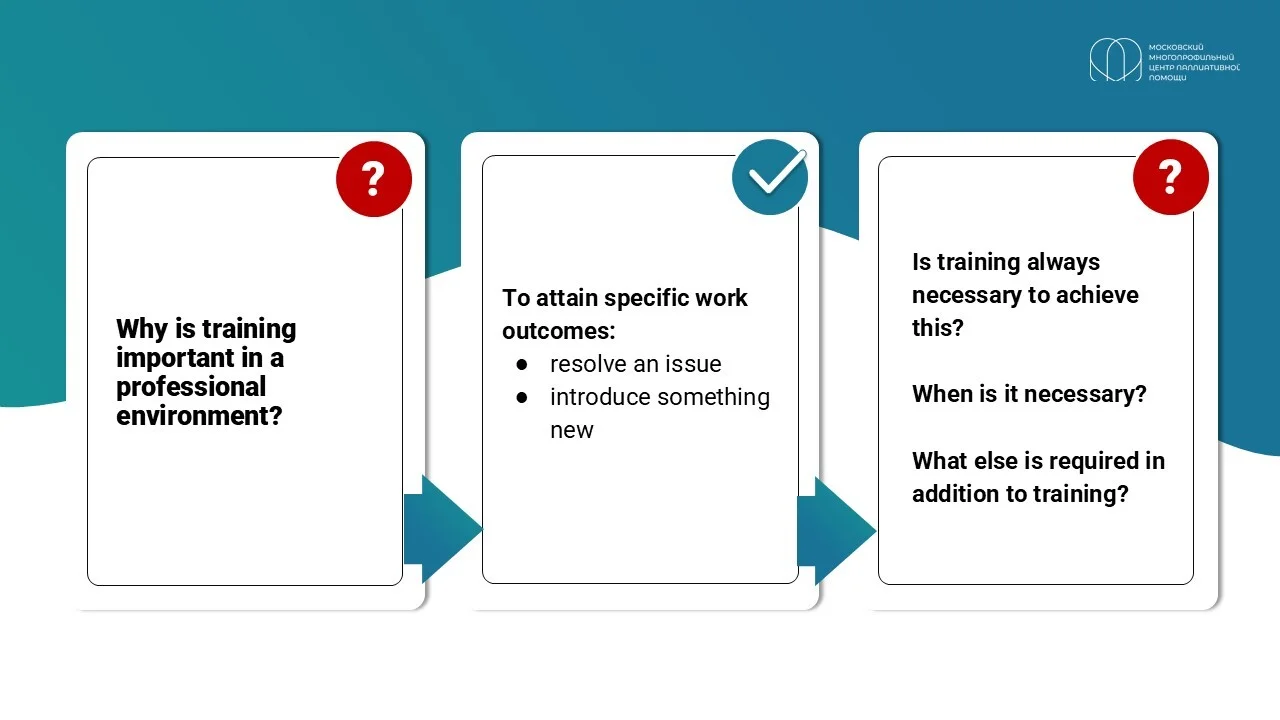
In the previous workshop, I introduced three steps for diagnosing and addressing workplace problems:
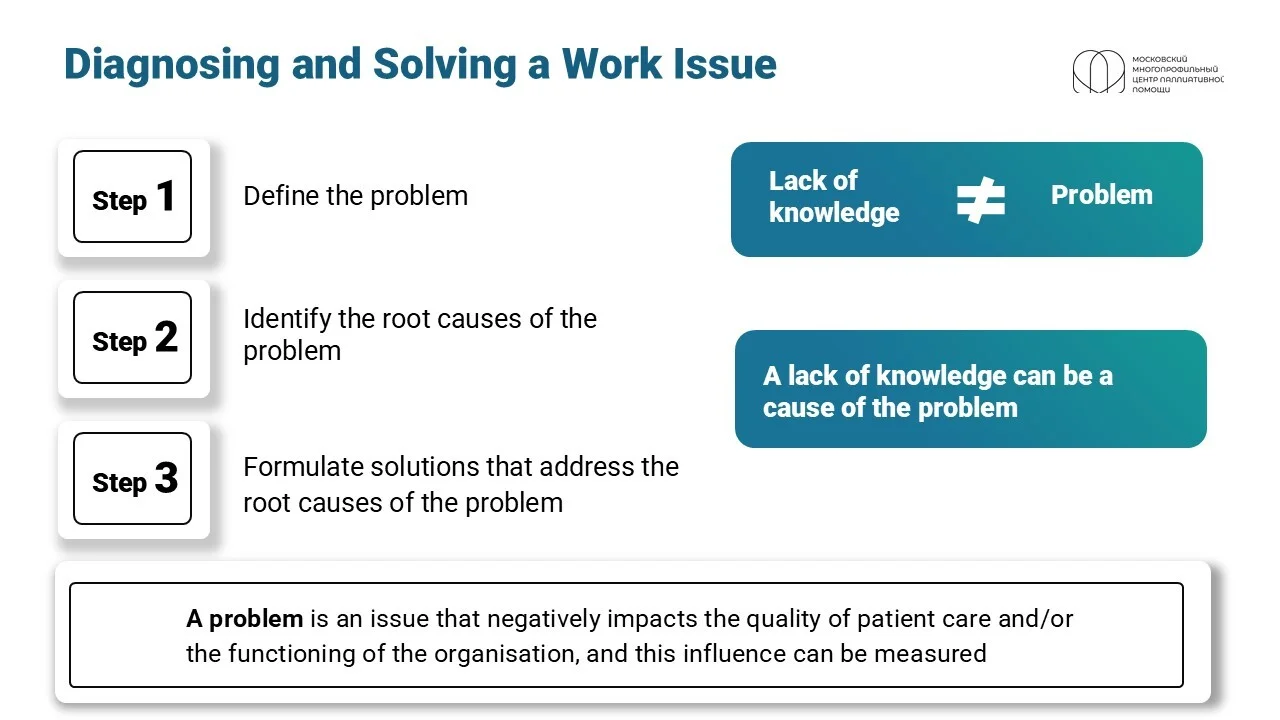
‘Pharmacies are not stocking opioid medications due to low demand, which stems from doctors not prescribing them.’
We analysed the root causes:
- lack of knowledge among doctors;
- complex paperwork and restricted access to prescription forms;
- patients fear these medications;
- lack of communication between doctors and pharmacists.
As you can see, a lack of knowledge is only one of the causes, and training doctors is merely one of the measures required to tackle the issue. If the other causes are not addressed, training alone will not yield results; it will simply be a wasted effort.
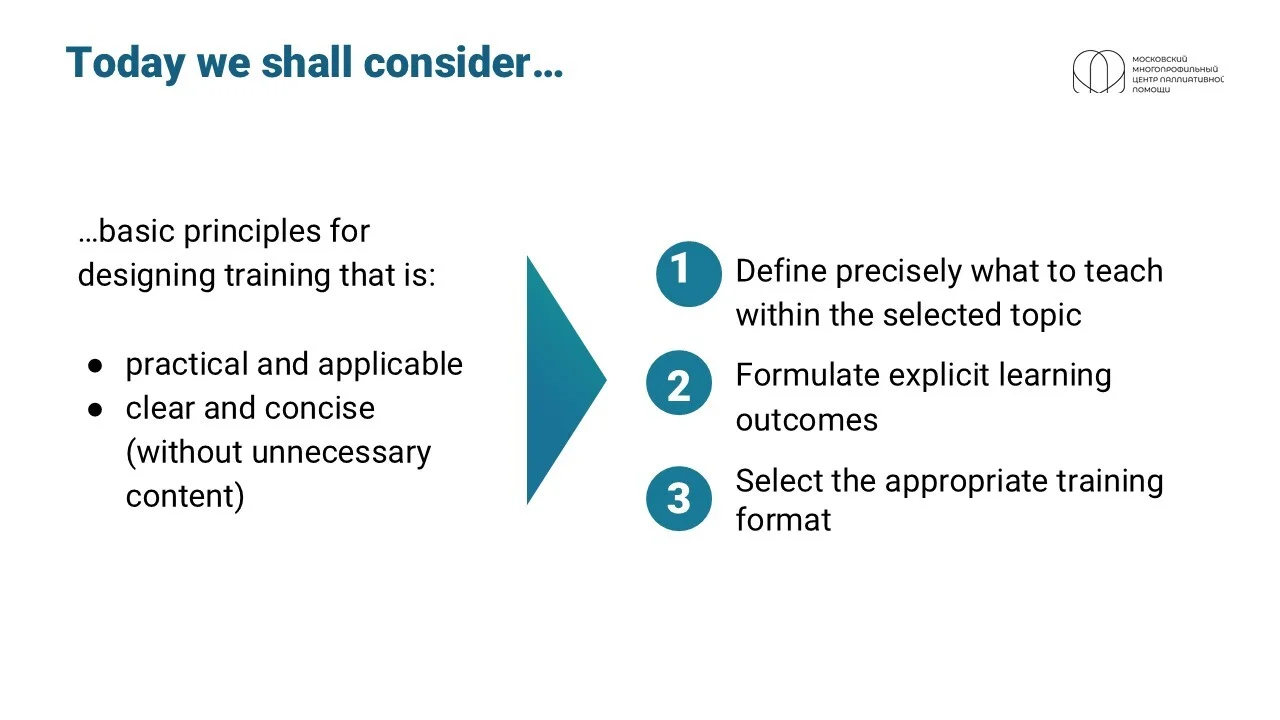
We must remember that we are discussing continuing education for professionals who are already working under pressure. The aim is to provide the maximum amount of useful information within a limited time frame.
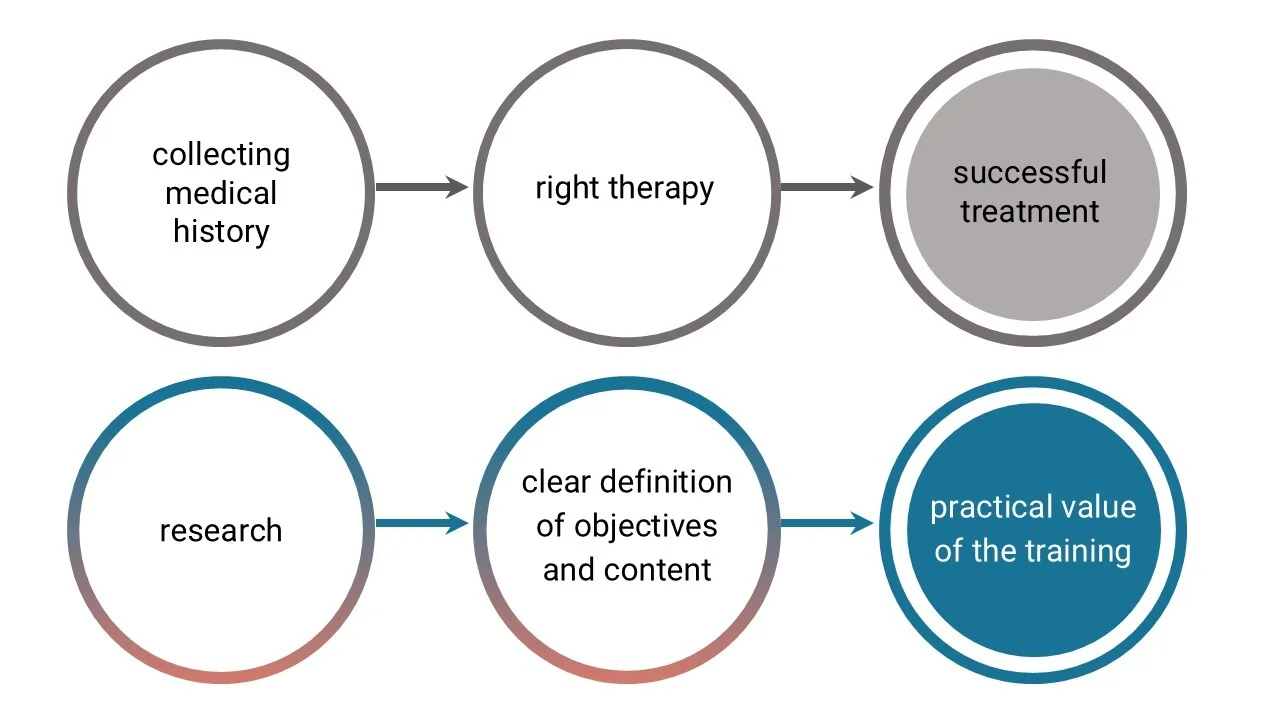
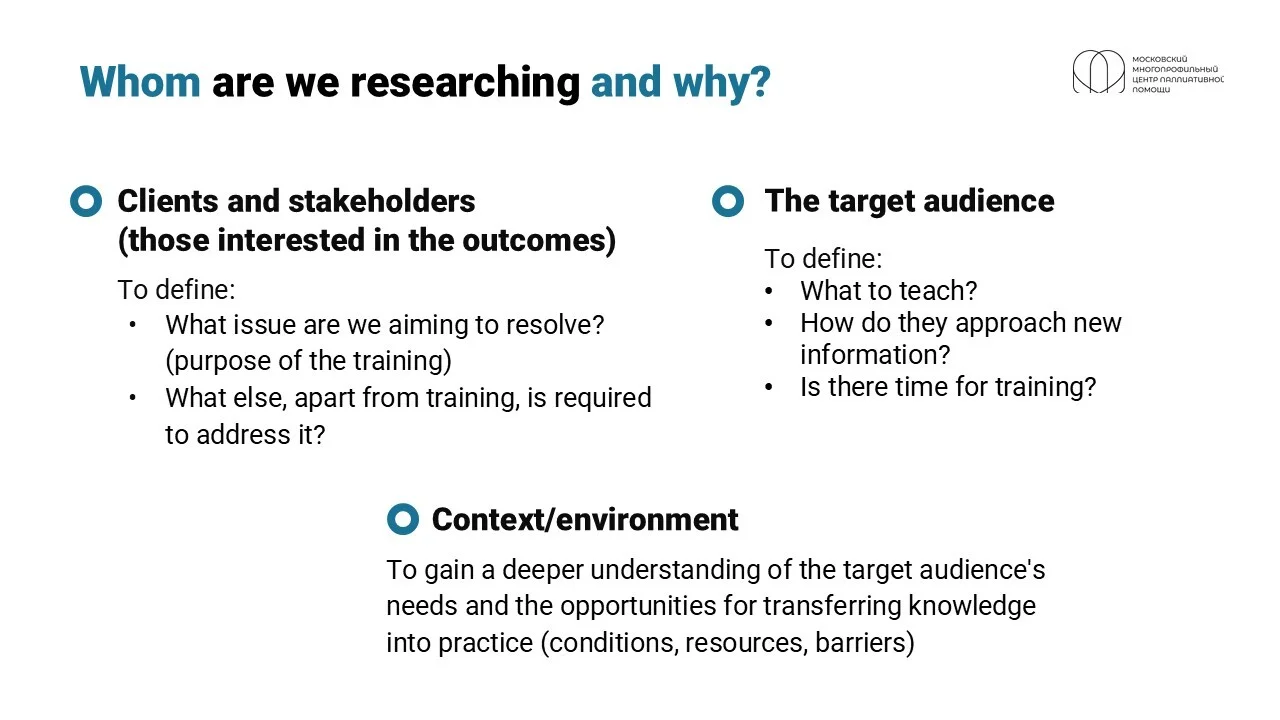
- Clients and stakeholders are those who are interested in the outcomes of the training. This may include managers, policymakers, patients, and their families. Researching the latter group can be more complex as it requires ethically sound approaches. However, speaking with individuals such as the head physician or department supervisor is generally quite feasible. We speak with them to understand:
- What issue are we aiming to resolve?
- What do they believe the causes of the problem are?
- What else, apart from training, is required to address it?
This is exactly what we discussed in detail during the previous webinar.
The target audience consists of the individuals we intend to train, including doctors, nurses, social workers, or volunteers. It is important to explore with them:
- How are they currently approaching the identified task or problem?
- Why do they behave in certain ways?
- What challenges do they face?
- Where and how do they presently obtain relevant information?
- How much time do they realistically have for training?
- What motivates them to learn? And more.
Researching the target audience enables us to:
- define the training goals more accurately;
- ground the programme in real workplace experience;
- assess both motivation and barriers to applying new knowledge in practice.
It is also essential to investigate the context or environment in which people work. Do they have the conditions and resources to apply what they have learned? Otherwise, we risk situations such as training nurses to move patients using functional hospital beds, while in reality, the patients lie on basic beds.
All of this is essential to minimising the risk of training being ineffective or irrelevant.
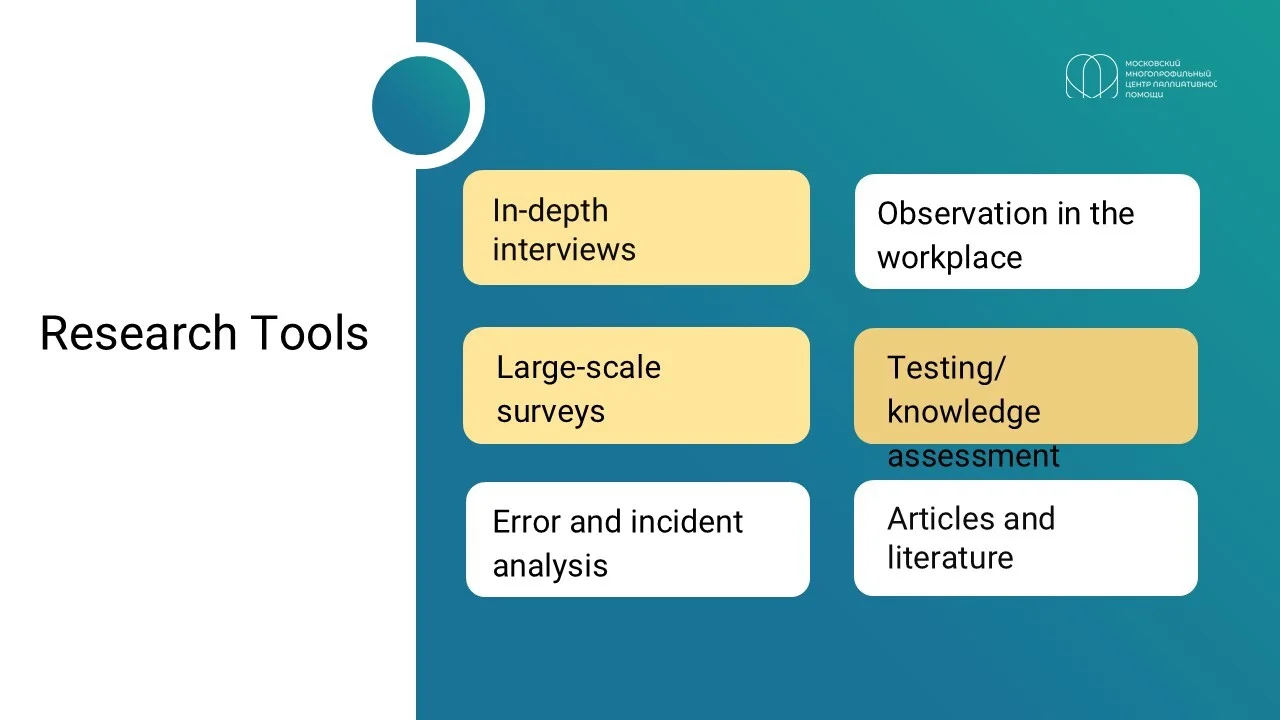
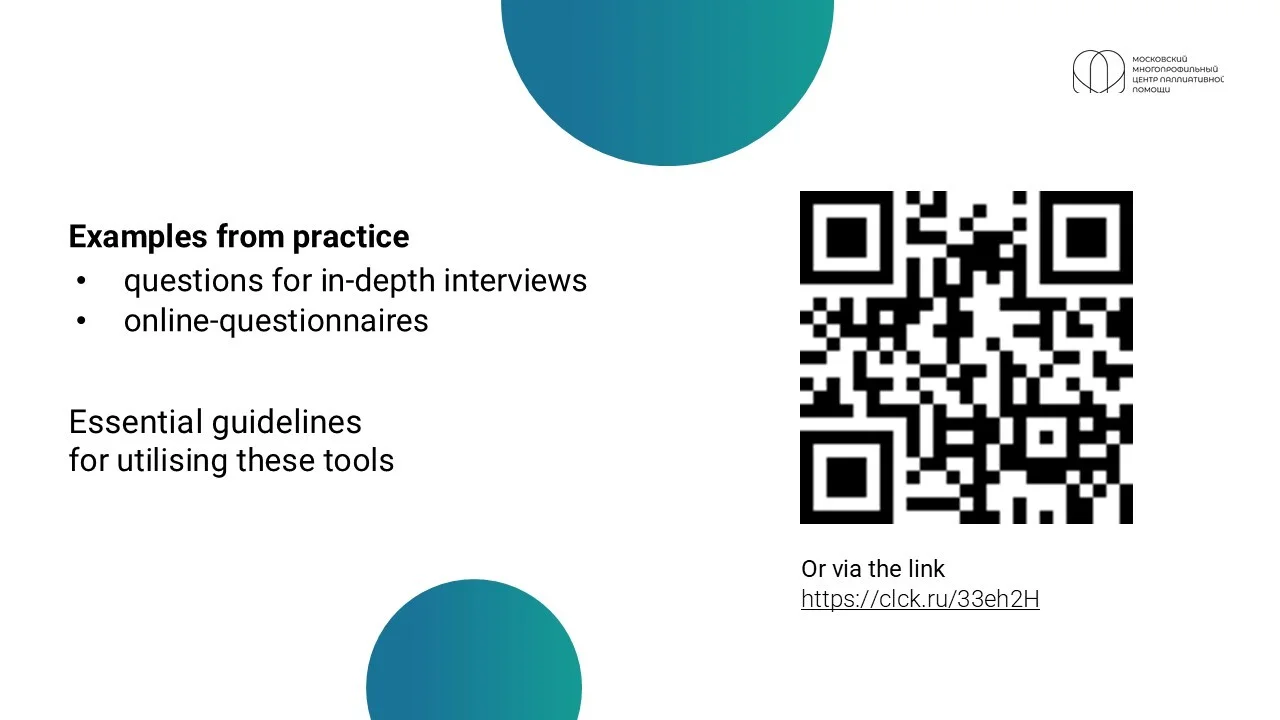
Today, I shall focus on two aspects: in-depth interviews and large-scale surveys. Regarding testing and knowledge assessments, we will only briefly touch on these topics — they are complex and often the subject of debate, not only in medicine.
The essence of the method is this: you conduct a one-on-one conversation with a person, asking open-ended questions to explore their opinions, needs, experiences, and doubts.
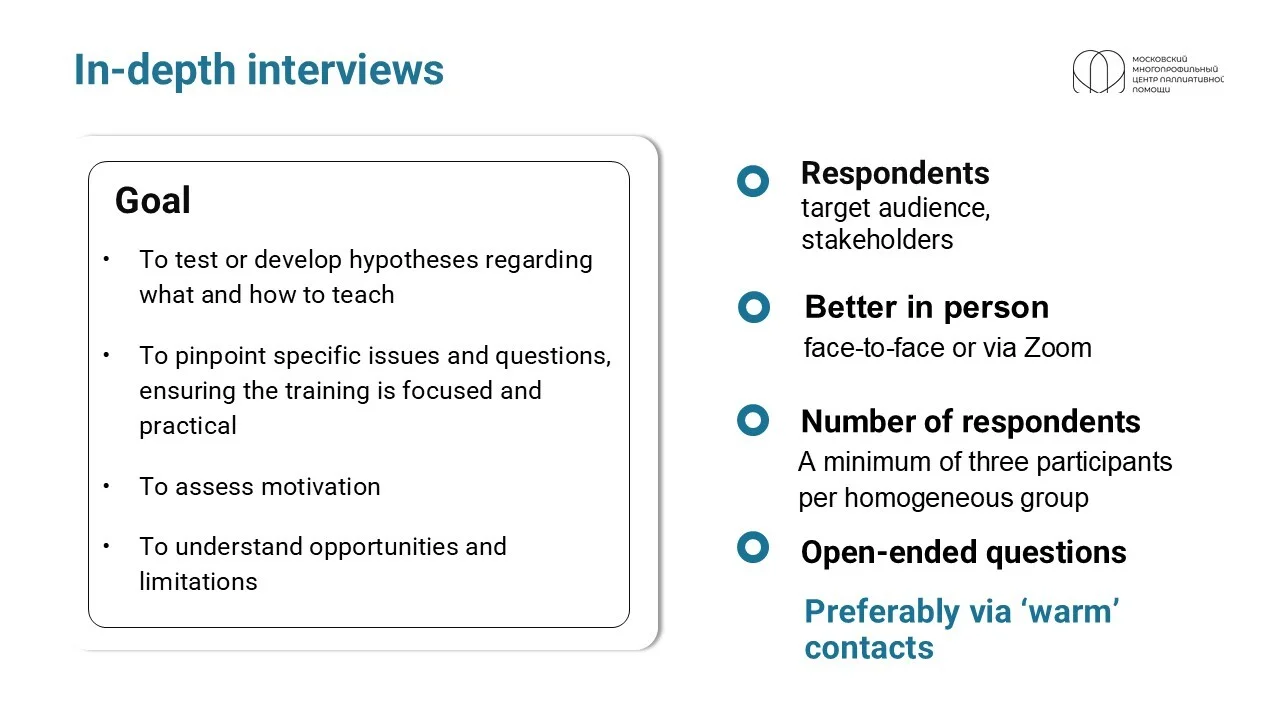
It is advisable to reach out through ‘warm’ contacts — this enhances trust and the likelihood that respondents will answer honestly rather than giving the ‘correct’ response. Also, always use open-ended rather than multiple-choice questions.
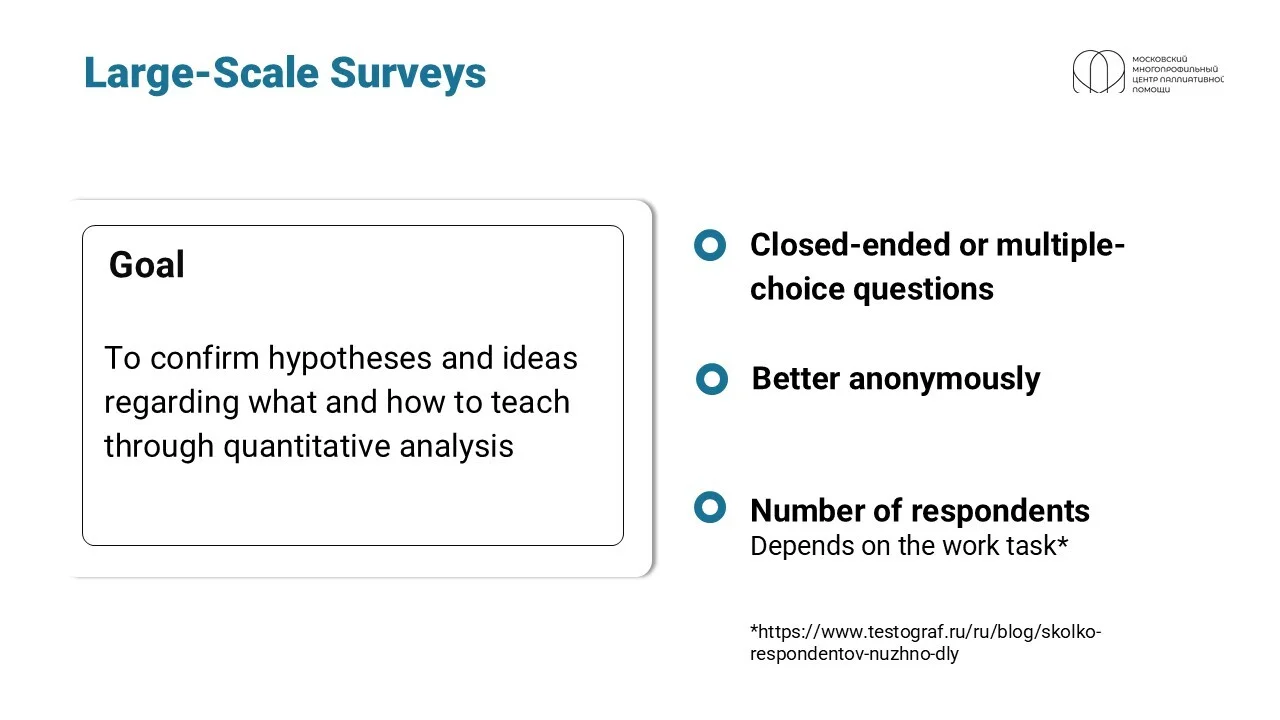
It’s not always necessary to conduct both types of research—qualitative (such as interviews) and quantitative (such as surveys). It depends on the complexity and scale of the problem, how well you understand it, and how familiar you are with the target audience. We ALWAYS conduct in-depth interviews when developing a new programme or a new version of an existing one.
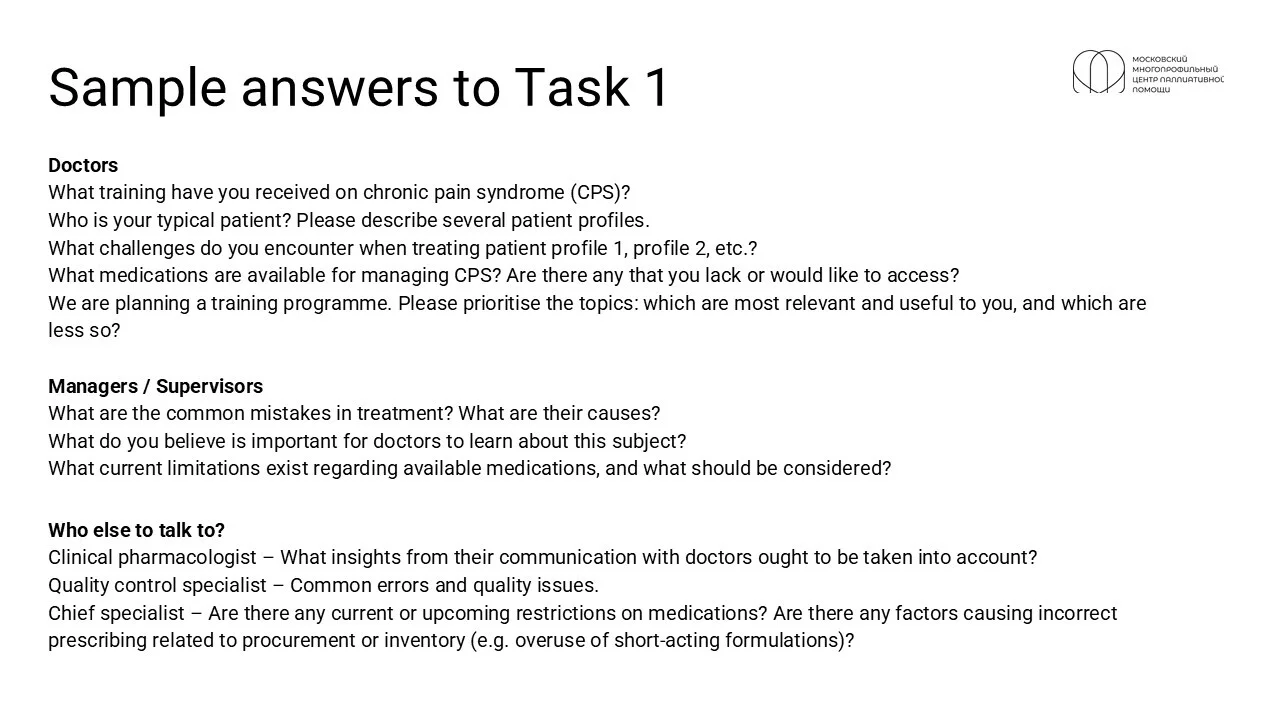
- What would you ask doctors if you were preparing a training programme, webinar, or course on the diagnosis and treatment of chronic pain syndrome?
- What questions would you ask managers?
- Who else, besides doctors and managers, would it be beneficial to consult as part of the preliminary research on this topic?
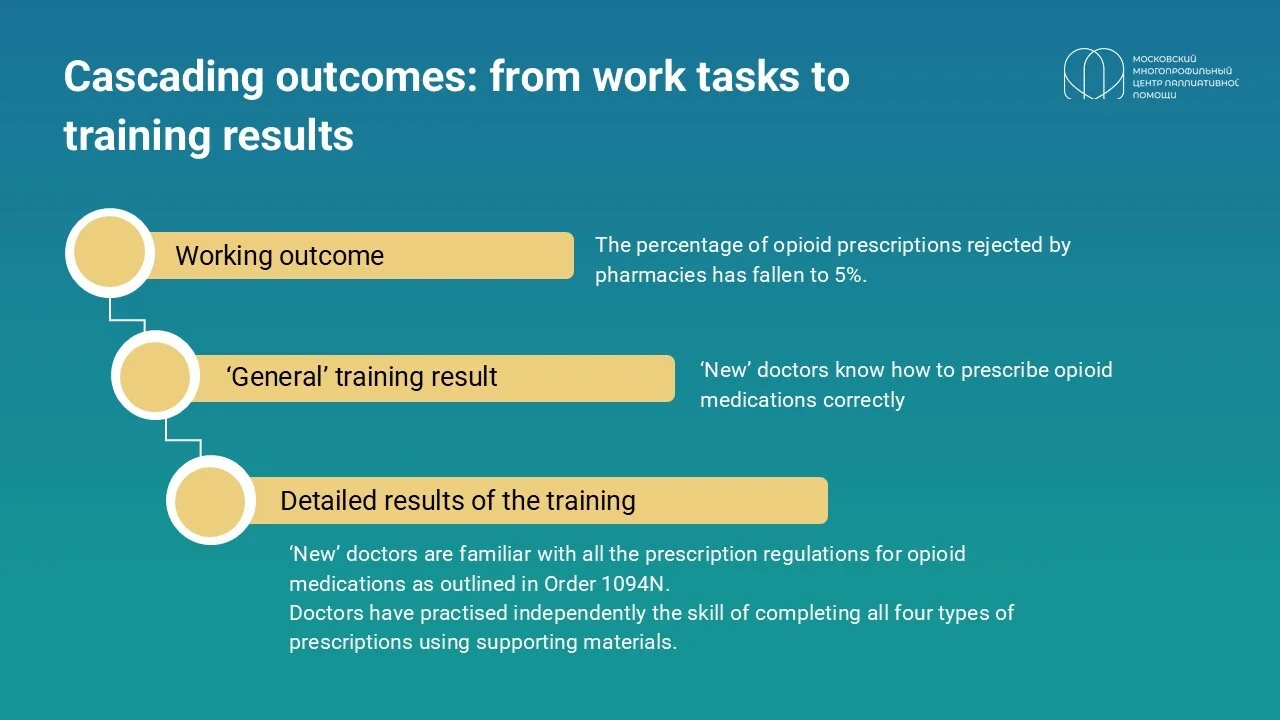
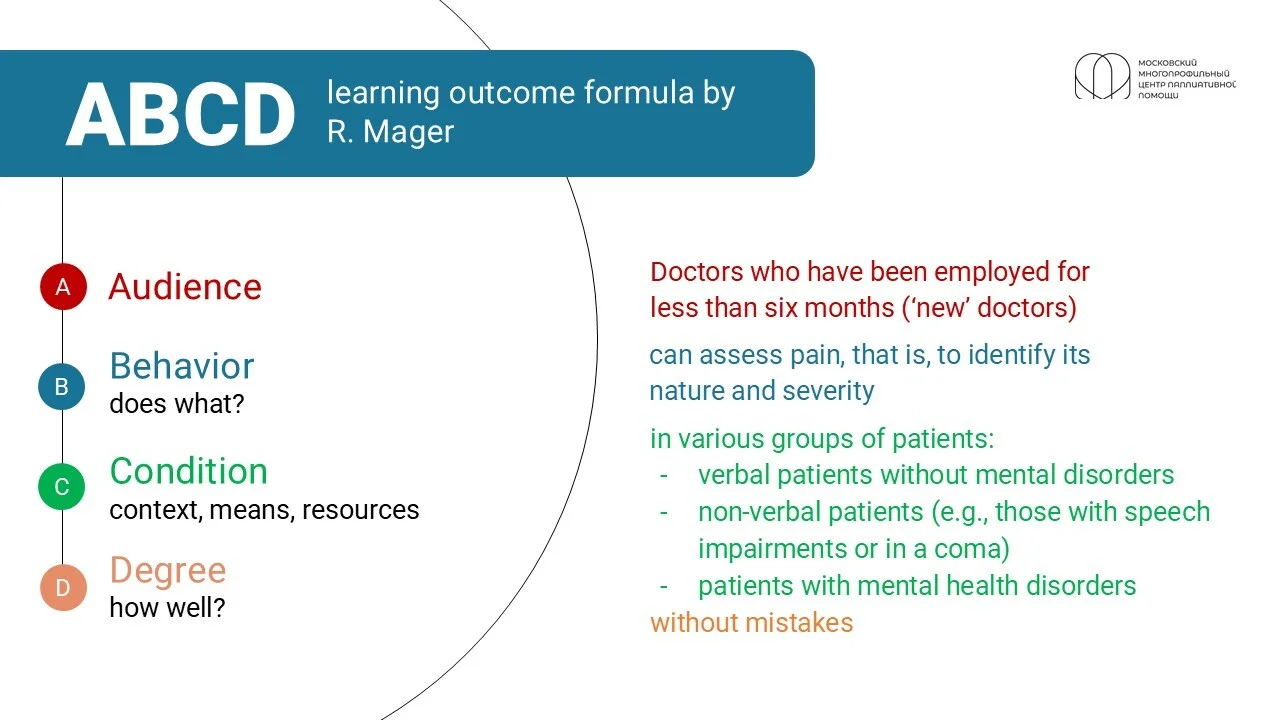
Let me illustrate with examples how this approach differs from planning ‘from the topic’ and why it is more effective.
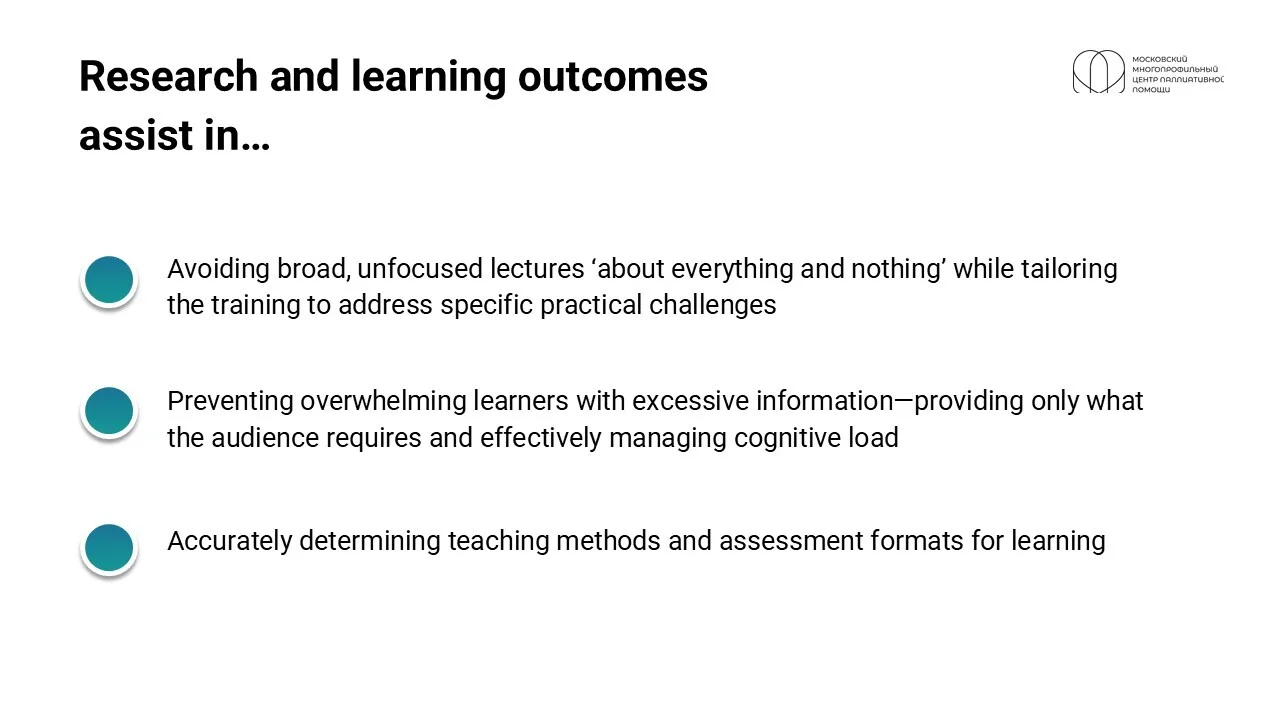
The topic of pharmacotherapy is extensive. If we had designed the course based solely on this topic, important insights could have been overlooked or minimised. A clearly defined learning outcome sharpens focus and ensures that essential content is incorporated into the training.
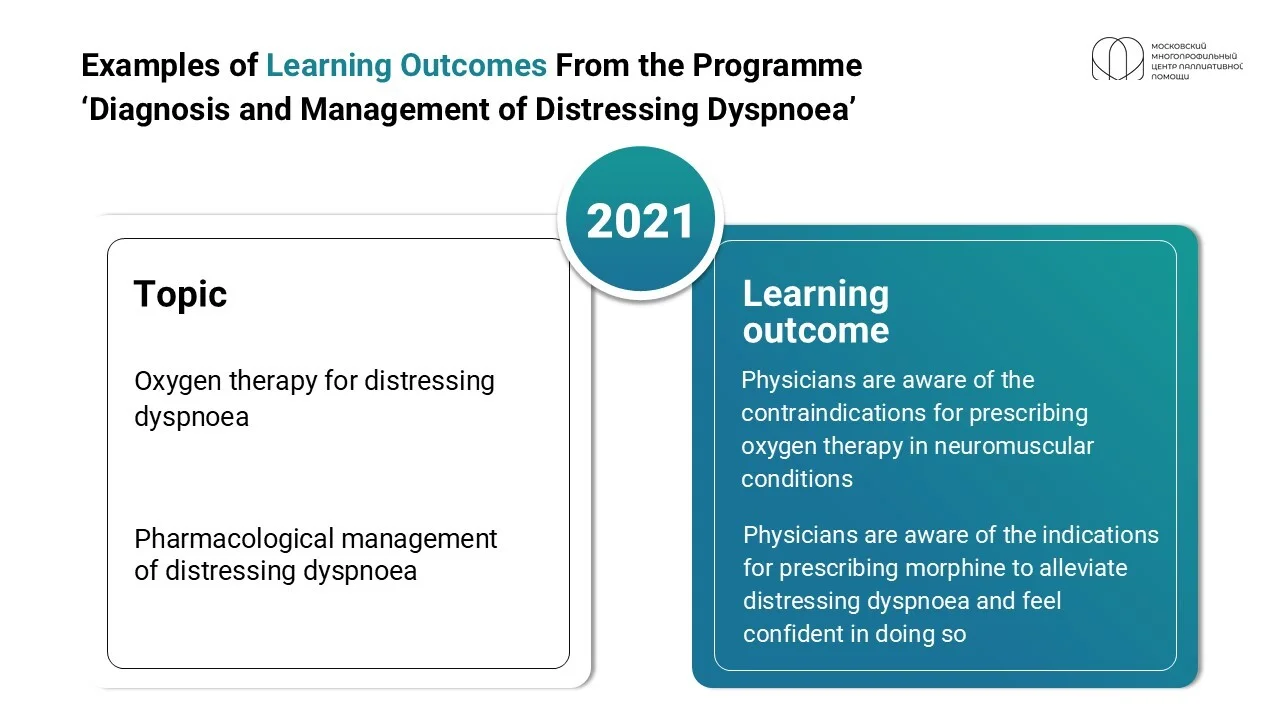
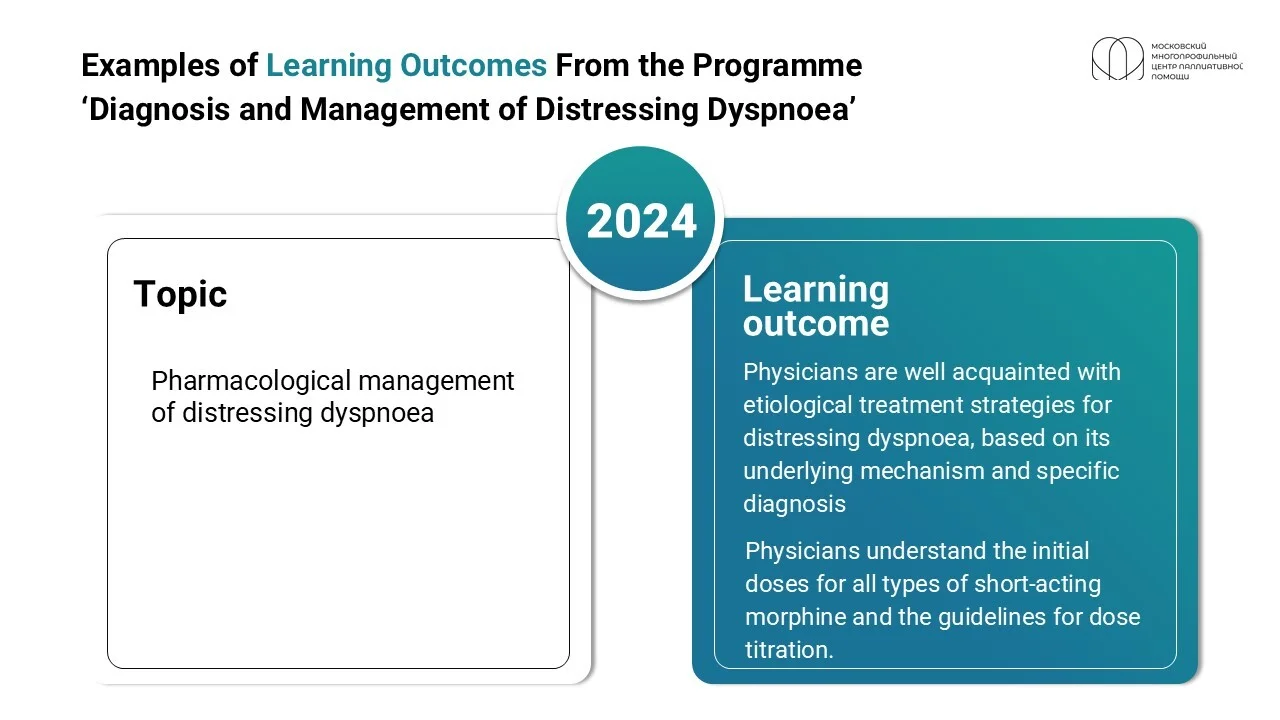
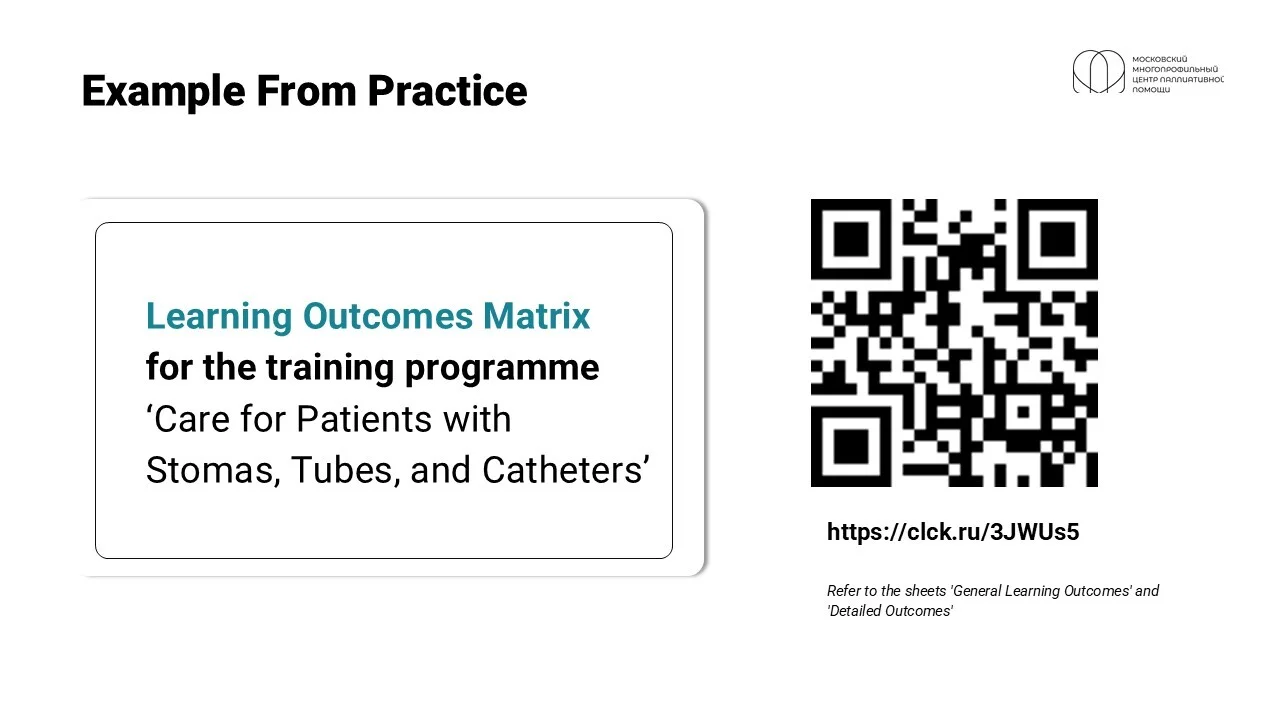
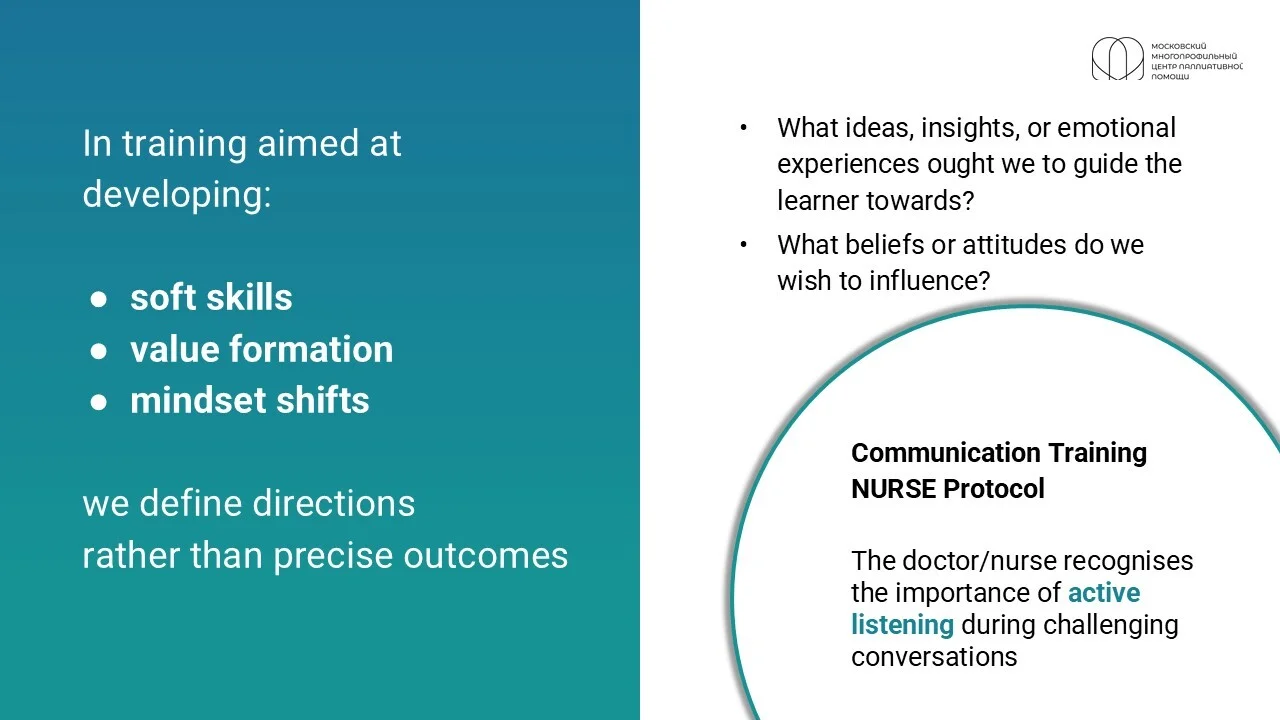
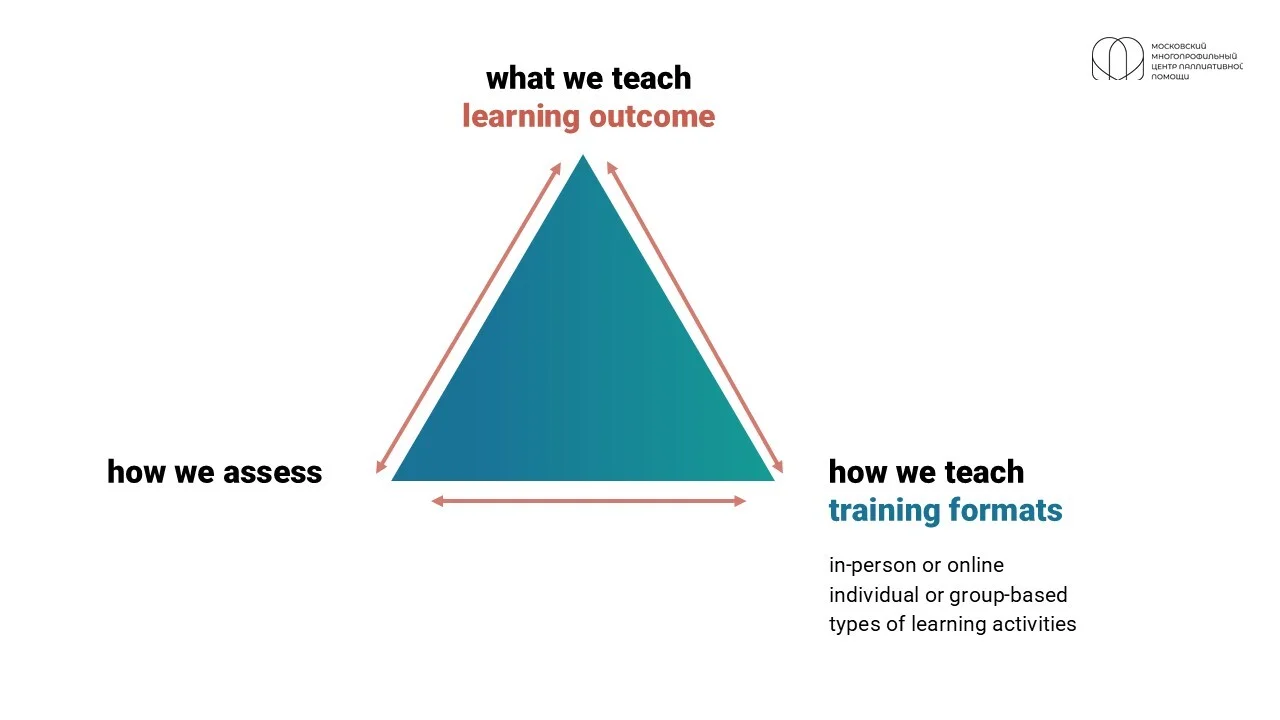
For instance, if we want experienced physicians to learn about new prescription regulations (due to a new ministerial order), a lecture followed by a knowledge test will suffice to achieve the intended outcome. However, if the goal is for new physicians to complete prescriptions accurately, theory alone is insufficient. They will need practical tasks, and the assessment will appear different, resembling the completion of sample forms rather than a traditional test.
Let’s return to the example of the NURSE protocol. If our learning outcome is something like: ‘the physician recognises the importance of empathy in communication’ or ‘the physician has practised using the NURSE protocol,’ then simulations are necessary. The learner needs to experience both roles—those of doctor and patient. We also require instructor feedback, group reflection, and discussion—these activities are integral to the learning format. The most suitable assessment method in this case would involve simulations or observing real-life patient communication. Let’s explore this further.
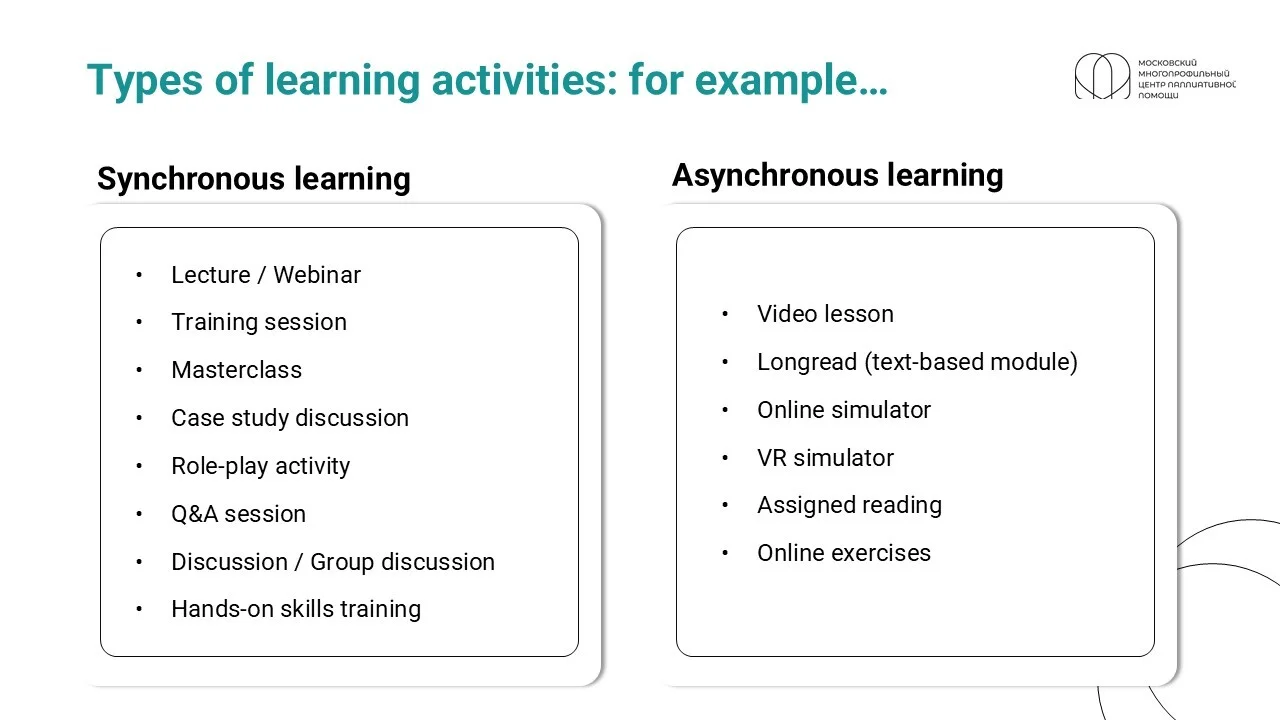
- Synchronous learning occurs when the instructor and learners participate in real-time, whether offline (in person) or online (via video conference).
- Asynchronous learning involves learners working through pre-prepared materials independently and at their own pace.
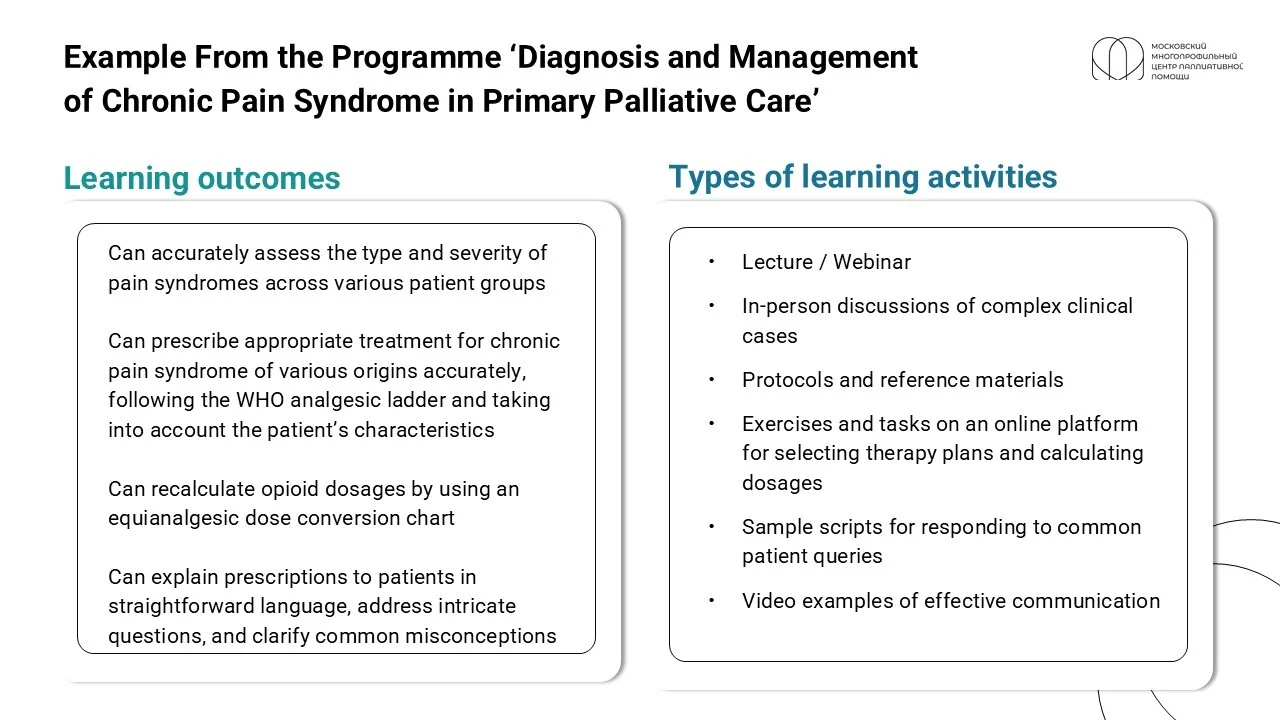
Of course, developing such a skill through training can be challenging; it takes time to master. Typically, the learning process only permits participants to ‘try it out’—that is, to practise the skill within a training context.
You can find more information about selecting suitable training formats in the lecture excerpt on planning education for the chronic pain management course.
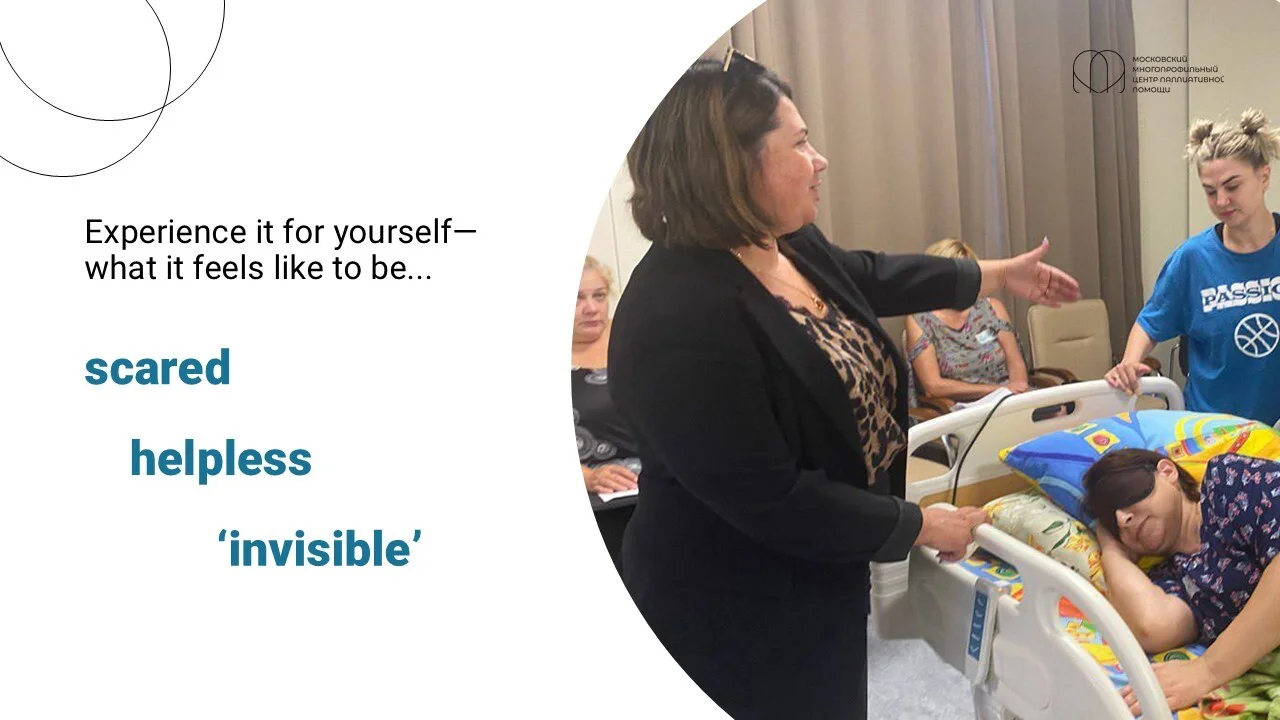
We formulated the learning outcome as: ‘The nurse understands the importance of verbalising their actions during patient movement and feeding.’
To achieve this outcome and change attitudes, we employed various approaches; for example, ‘lying-down’ training sessions. One nurse assumed the role of a helpless patient, while another moved or fed them without verbalising their actions. The emotions and feedback shared by the ‘patient’ afterwards proved to be more effective than any lecture. The training succeeded because it provided personal experience and emotional insight.

We defined the following learning outcome:
A senior nurse understands the key quality control points in caring for patients with severe symptoms and conditions and is able to apply this knowledge in practice.
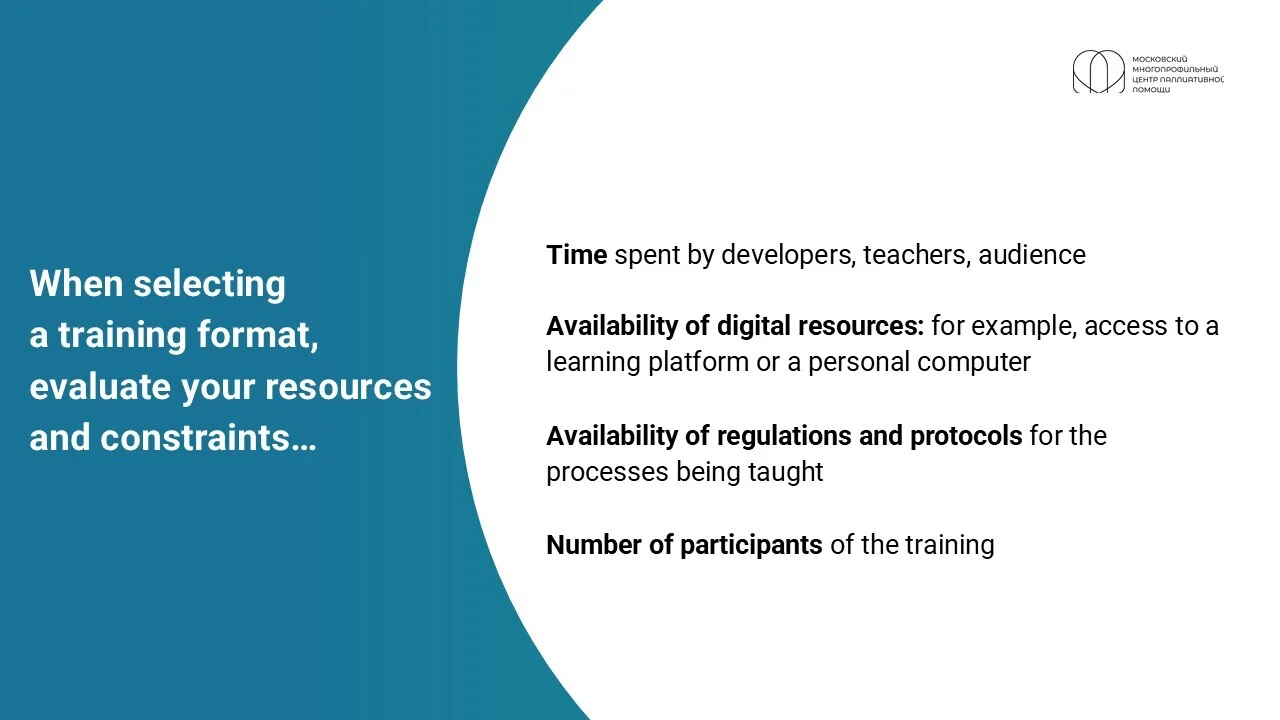
After conducting a needs assessment and evaluating available resources and constraints, we realised that our initial training formats were not feasible. Consequently, we redesigned the programme completely differently from our original plan.
When should assessments be conducted?
- For lengthy courses, it is advisable to carry out interim evaluations after each module.
- In the case of shorter training sessions, a final evaluation at the end will suffice.
What should be assessed?
- Immediately after training, assess how effectively the knowledge and skills were acquired.
- Over time, assess whether the learning has been applied in practice. However, remember that it depends not only on the training itself but also on the working conditions—specifically, whether there is support, oversight, and incentives to utilise the new skills.
- Identify the work task you wish to address through training.
- Ensure that training is the most suitable tool for addressing this issue.
- Conduct initial research to thoroughly understand what to teach and to identify the opportunities and constraints that exist.
- Formulate precise learning outcomes or learning paths.
- Design the training to ensure that the formats and assessment methods are aligned with the desired learning outcomes.
- After planning the training, return to step 1 and re-evaluate whether the designed programme genuinely addresses the identified work task.


Leave a Reply