

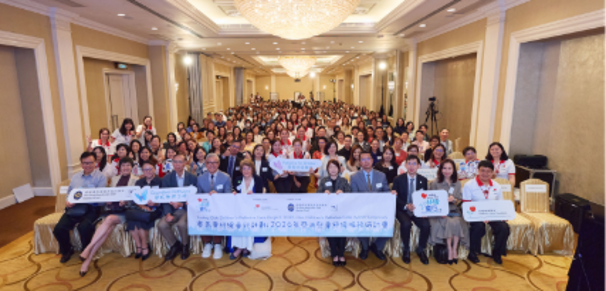
Funded by the Hong Kong Jockey Club Charities Trust and organized by the Children’s Cancer Foundation, the Jockey Club Children’s Palliative Care Project 2026 Asia Children’s Palliative Care Symposium was successfully held on 5 & 6 September 2026 in Hong Kong, with simultaneous online participation.
Under the theme “Bridging Care, Building Hope Together: Creating Boundless Pathways in Children’s Palliative Care,” the symposium brought together local, regional, and international experts in children’s palliative care, frontline healthcare professionals, academics, social service practitioners, and community partners. Together, they explored how children living with serious, life-limiting, or life-threatening conditions, and their families, can receive earlier, more comprehensive, and more dignified support.
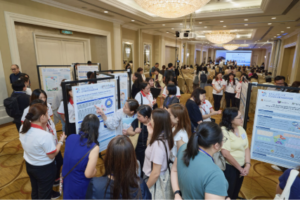 The symposium attracted more than 2,500 participants through both in-person and virtual attendance. Participants joined from Mainland China, Hong Kong, as well as other parts of Asia, including Taiwan, Japan, Malaysia, Singapore, South Korea, Thailand, and Timor-Leste. The event also welcomed attendees from countries across Europe, North America, and Oceania, highlighting Hong Kong’s vital role as a regional platform for collaboration and knowledge exchange in children’s palliative care.
This two-day symposium demonstrated how children’s palliative care in Hong Kong has evolved from a disease- and hospital-centered approach toward an integrated model of care that places children, families, and communities at its heart. The focus was not merely on the services provided, but on a broader question: when a child faces a serious illness, how can healthcare systems, families, schools, and communities work together to support their daily lives, choices, dignity, and hope?
Seeing Hong Kong’s Responsibility Through the Global Care Gap
The first day’s keynote address, “Children’s Palliative Care: Global Progress and Emerging Horizons,” was delivered by Prof. Julia Downing, Chief Executive of the International Children’s Palliative Care Network (ICPCN).
Drawing on the World Health Organization’s definition of children’s palliative care, Prof. Downing emphasized that palliative care is an active and holistic approach addressing the physical, psychological, spiritual, and family needs of children. It should begin at the time of diagnosis and be provided alongside disease-directed treatment, rather than being reserved solely for the final stages of life.
Prof. Downing highlighted that more than 21 million children worldwide require palliative care services, yet fewer than 10% can access them. Approximately 96% of this unmet need exists in low- and middle-income countries. This significant disparity serves as a reminder that children’s palliative care is not a niche specialty for a small group of patients, but a global issue encompassing health equity, children’s rights, and the ethical responsibilities of healthcare systems.
She also called on stakeholders around the world to support the global #ClosetheGap4CPC initiative by transforming policy commitments into practical local action. Key priorities include integrating children’s palliative care into healthcare systems, strengthening workforce training, ensuring access to essential medicines and care supplies, developing integrated care models, enhancing family capacity, expanding research evidence, and increasing public awareness. For Hong Kong, this global call to action closely resonates with the progress made in recent years.
Hong Kong’s Development: From Hospital -Based Care to Cross-Disease, Cross-Setting, and Interdisciplinary Support
The development of children’s palliative care in Hong Kong has been a gradual and sustained journey. In 1999, the Children’s Cancer Foundation pioneered a palliative and home care service, initially focusing on children with cancer and their families.
Over the years, the service has expanded to support children living with a wide range of life-limiting and life-threatening conditions, including neuromuscular diseases, severe congenital disorders, metabolic disease, prematurity and neonatal complications, and other complex medical conditions. The symposium showcased this important transformation in Hong Kong, illustrating the evolution of children’s palliative care beyond cancer, serving children with a wide spectrum of complex chronic conditions.
A Multidisciplinary Gathering of Experts Advancing Children’s Palliative Care
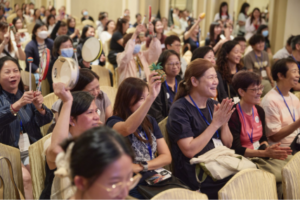
The symposium featured a diverse group of professionals representing doctors, nurses, social workers, child life specialists, researchers, bioethicists, physiotherapists, occupational therapists, and music therapists. Speakers shared perspectives on global developments, service models, advance care planning, clinical care, and healthcare ethics. The project also highlighted the important contributions of allied health professionals, demonstrating how interdisciplinary collaboration supports children with life-limiting and life-threatening conditions and their families across hospital, home, school, and community settings.
The breadth of professional expertise represented at the symposium reflected the multidisciplinary teams working in partnership to enhance the quality of life, dignity, and wellbeing of children and families.
Looking Ahead: Ensuring Every Child Receives the Care They Need, Where They Need It
The symposium conveyed a clear and powerful message: children’s palliative care is not an “end-of-life service,” but a journey of companionship alongside children and families. This journey may begin at the moment of diagnosis and continue through intensive care units, general wards, homes, schools, and communities, extending even into bereavement support after the death of a loved one. It is about more than medical decisions. It is about quality of life. It is about symptom management, but equally about hope, dignity, relationships, and memories.
Over the years, Hong Kong has accumulated invaluable experience in children’s palliative care, and the Jockey Club Children’s Palliative Care Project has further demonstrated the feasibility and effectiveness of community-based children’s palliative care services. Through collaboration among hospitals, non-governmental organizations, academic institutions, schools, community partners, and families, Hong Kong is steadily building a model of care that is earlier, more integrated, and more responsive to family needs.
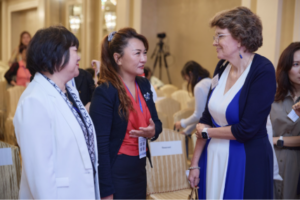 As Professor Julia Downing emphasized in her keynote address, the future of children’s palliative care depends on our ability to “measure what truly matters.” Success should not be evaluated solely through service utilization or bed occupancy rates, but also through children’s quality of life, family resilience, caregiver confidence, workforce sustainability, and society’s willingness to understand and embrace children’s palliative care.
“Close the Gap” is more than a slogan; it is a shared responsibility. For Hong Kong, the next step is to transform existing experience into sustained policy commitment, stable resources, professional training, and public education, ensuring that children’s palliative care becomes an essential component of both healthcare and community support systems.
Every child, regardless of diagnosis, age, disease trajectory, or family background, deserves to receive the right care, at the right place, at the right time it is needed most. This remains the most profound and urgent message emerging from the 2026 Asia Children’s Palliative Care Symposium.
Author: Molin Lin, Children’s Cancer Foundation, Hong Kong.


Leave a Reply