

Author: Mr. Ashish Telgote
Pediatric Palliative Nurse & PPC Leader,
Bai Jerbai Wadia Hospital for Children, Mumbai , India
Routine pain assessment becomes standard nursing practice in a tertiary paediatric hospital in Mumbai, India
When children are admitted to hospital, pain can often be their most distressing experience. Yet in busy clinical environments, it can go unnoticed or unmeasured. Recognising this gap, Mr. Ashish Telgote – a dedicated paediatric palliative nurse leader in Mumbai, set out to improve pain assessment practices and ensure that children’s comfort is given the priority it deserves.
As part of the Paediatric Palliative Care Leadership Programme, Ashish launched a project aimed at helping nurses regularly assess, document, and respond to children’s pain. He noticed that while pain scales existed, in this 525 bedded paediatric hospital, nurses were not always confident in using them consistently. Many were unsure which pain tool fit which age group, how to use each scale or how often to reassess after treatment.
Building confidence and capability among nursing teams
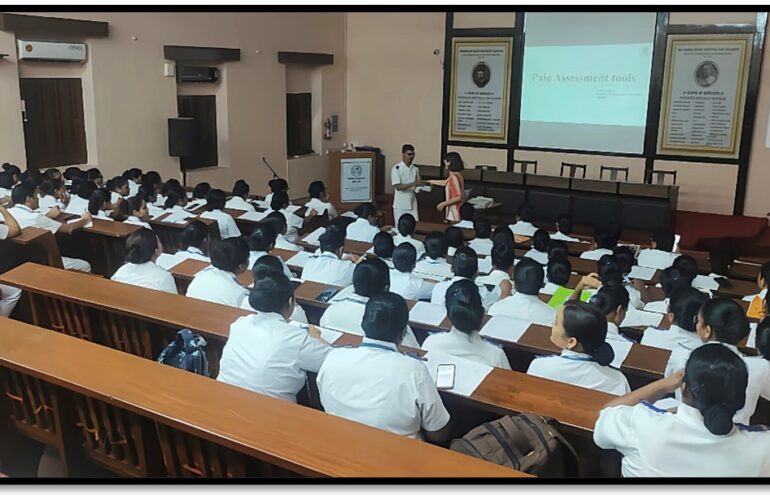
To address this, Ashish conducted structured training for nursing and medical teams:
- Large classroom interactive lectures
- Small ward-based practical demonstrations
- One-to-one bedside teaching when needed
A total of 138 nurses and 12 doctors received training across Medical, Surgical and PICU wards. Printed FLACC, FACES pain scale – revised and Numeric Rating Scales were given to each one.
This personalised approach ensured continuous learning regardless of shift patterns or staff rotation.
Strong improvement seen in clinical audit results
Monthly audits showed:
- Pain assessments being completed every shift
- Regular use of age-appropriate pain scales
- Improved documentation of pain scores
- Better reassessment and treatment when pain was identified
Even after the audit sample doubled in September, the high performance continued – showing that change was embedded, not temporary.
“Nurses began asking for pain scales themselves when they missed a session – that showed true ownership,” says Ashish.
Sustaining better pain care for children
To sustain this improvement:
- A hospital policy is being drafted
- Pain champions are identified in each ward
- Quarterly audits will be continued
- Training included in new staff induction lectures
- Yearly refresher sessions planned
This ensures that practice will not fade, but remain a standard of care.
A small change that protects children from silent suffering
Children rarely express pain like adults. Ensuring it is assessed routinely ensures their distress is noticed, validated and relieved.
Through this project, Mr. Ashish Telgote has shown that when a nurse leads with compassion and determination, systems change — and children benefit every single day.


Leave a Reply