

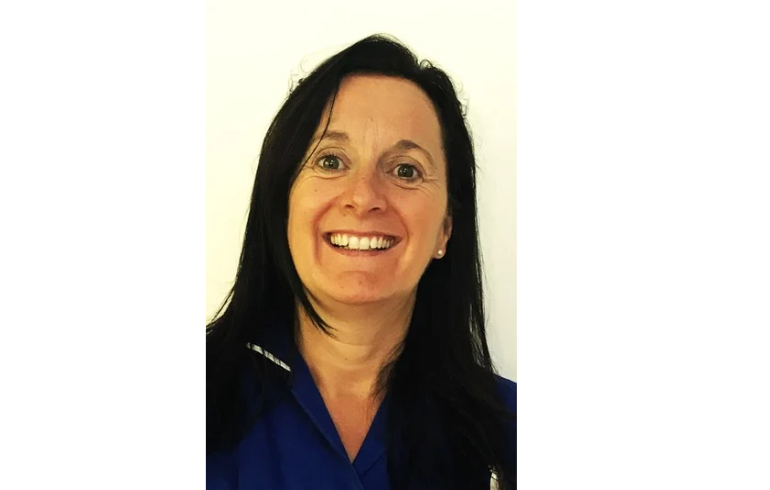
Amanda Whateley is a registered children’s nurse and registered adult nurse with over 30 years experience working in the National Health Service in the UK. She has had various roles in the community, in Higher Education, as Director of Care of a hospice for children and young people and at Together for Short Lives, the UK charity for children with life limiting and life threatening conditions. Here she tells us about her role leading the new transition programme at Hospice UK.
What is your new role at Hospice UK and what inspired you to take on the role?
Hospice UK is the national charity for hospice care working with 200 hospices across the UK. I have always enjoyed working with young people and my role as Transition Clinical Programme Manager encapsulates everything that is important to me in helping young people with palliative care needs feel supported and to receive support; advocacy, networking, collaboration, inclusion and ensuring that young people’s voices are heard.
What is the aim of the transition programme and how will it be delivered?
The transition programme aims to improve the experience of young people aged 14 – 30 years who are transitioning from children’s to adult palliative care services. Working with all adult and children’s hospices across the UK and in particular within four Centres of Learning (2 in England, 1 in Scotland and 1 in Wales), we aim to ensure that adult hospices have the data, skills and confidence to support young people with palliative care needs and to improve the collaboration between local health and social care services to provide seamless support to young people and their families. We will will also continue to develop our Transition Community of Practice – a network that brings together professionals working in the area of transition to share, learn and increase knowledge.
How will you work with young people and their families?
Through the Centres of Learning, we are working collaboratively with young people and their families to co-produce a resource that can be shared with professionals. Young people with life-limiting conditions and their families are integral to planning the transfer of their care from children’s to adult services and we hope that this work will empower them to feel more confident in this transition.
Will there be lessons that we can learn internationally about caring for young people with palliative care needs?
We very much hope that through this programme we can learn more about what matters most to young people with palliative care needs who are moving from children’s to adult care. We also hope to learn valuable lessons about how to better support the workforce in delivering this care and support, with insights into how to join services together to make transition seamless.
We are working with an external evaluation team who will develop a final report to inform Hospice UK’s final recommendations and we will be publishing a new transition resource which we plan to share as widely as possible, including through the International Children’s Palliative Care Network.
The programme is currently in its early stages, and learning and insights from this work will continue to develop over time as it progresses.




Leave a Reply