


A memorable week unfolded in the heart of Kampala, Uganda, where the Global Health and Palliative Care (GHAP) Consortium convened to exchange knowledge, strengthen collaboration, and inspire shared learning. The event brought together researchers, practitioners, and policymakers committed to improving access to palliative care across sub-Saharan Africa.
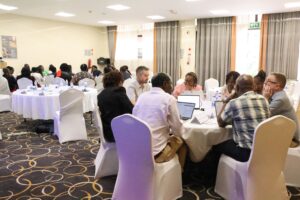 Professor Richard Harding, the PI highlighted that GHAP Research Project is an international initiative dedicated to developing and expanding approaches that enable individuals across Africa to receive quality palliative care. With funding from NIHR, the project is being implemented in three countries: Uganda, South Africa, and Zimbabwe, each focusing on distinct but complementary research themes.
The Uganda research emphasizes integrating child and family-centred outcomes into children’s palliative care. South Africa’s project focuses on developing and piloting feasible, acceptable self-management strategies for symptom control at home. Meanwhile, Zimbabwe is leading efforts to develop and test a model for early integration of palliative care in cancer management.
In his remarks, Dr. Daniel Kyabahize, representing the Director General of Health Services, Ministry of Health (Uganda), commended all partners for their commitment and underscored the importance of child-centred approaches in managing chronic illnesses. He further emphasized the need to integrate research findings into national health systems and incorporate such projects into government programs to ensure sustainability and impact.
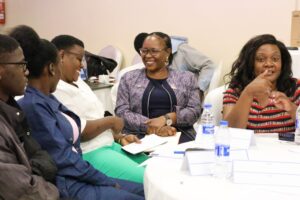 Highlighting the power of inclusion, the Ugandan team showcased an inspiring example of child participation in health research through the active participation of a 12-year-old Child Advisory Council member living with sickle cell. Her involvement demonstrated the value of empowering young voices in shaping the future of child-focused healthcare initiatives.
The Consortium brought together an impressive network of partners, including:
African Palliative Care Association (APCA), King’s College London, University of Cape Town, University of Zimbabwe, Makerere University, Uganda Ministry of Health, Imprint Uganda, African Research Excellence Fund (AREF), Island Hospice & Healthcare, Uganda Cancer Institute, Uganda Heart Institute, Mulago National Specialized Referral Hospital, Mildmay Uganda, and Kawempe Home Care. Together, these institutions representing Uganda, Sudan, United Kingdom, South Africa, Zimbabwe, and Malawi are advancing palliative care through capacity building, collaborative research, knowledge translation, and shared learning.
 Another major highlight of the week was a two-day writing retreat organized by Africa Research Excellence Fund (AREF), one of GHAP’s key partners. The retreat brought together 20 Master’s, PhD, postdoctoral, and predoctoral researchers, all focused on strengthening research capacity and leadership in health. Participants left the retreat motivated to invest more deeply in impactful research and writing that can drive positive change in African health systems.
As participants departed Kampala, one message resonated clearly: sustained partnerships, local ownership, and evidence-based practice are key to ensuring that every person in need across Africa has access to compassionate and comprehensive palliative care.
“This research was funded by the NIHR using UK Aid from the UK Government to support global health research. The views expressed in this publication are those of the author(s) and not necessarily those of the NIHR or the UK government.”


Leave a Reply